

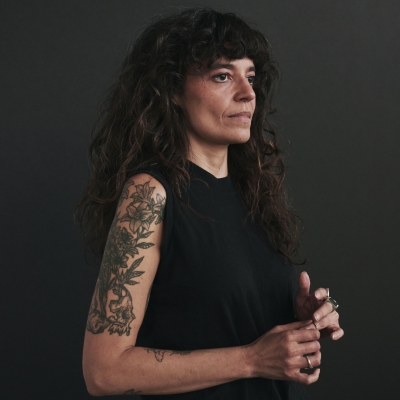
Rebecca Adorno Davila is an interdisciplinary artist and filmmaker from Puerto Rico. Her work comes from a research-based approach rooted in her background in Engineering and Fine Arts. By recontextualizing scientific data, Adorno creates physical representations of intangible phenomena that hint at a type of social science fiction.
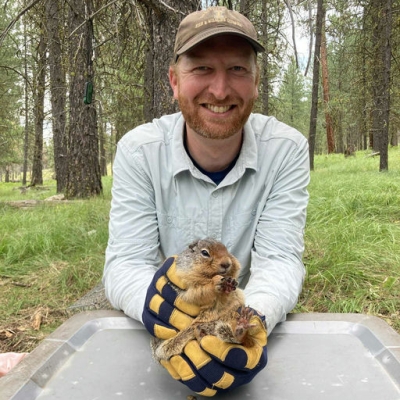
Austin’s interests within the fields of ecology and evolutionary biology are broad, ranging from individual physiology to community ecology. His dissertation research uses hibernating mammals as models to elucidate the eco-evolutionary drivers of individual life-history strategies. He previously completed a M.S. under Dr. Courtney Conway at the University of Idaho studying behavior and demography of the federally threatened northern Idaho ground squirrel.
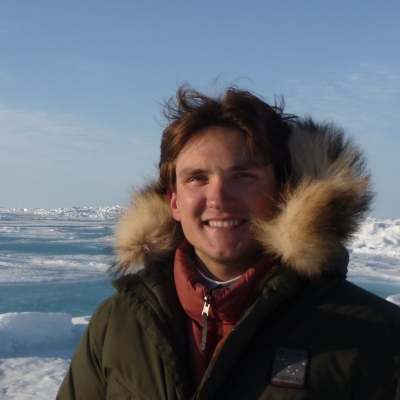
Christian’s research focuses on earth system science applied to land-atmosphere carbon dynamics under the effects of climate change. This includes changes in surface hydrology, vegetation and geomorphology under climate change, interactions with biogeochemical processes and how these relationships influence higher-level environmental patterns and processes.
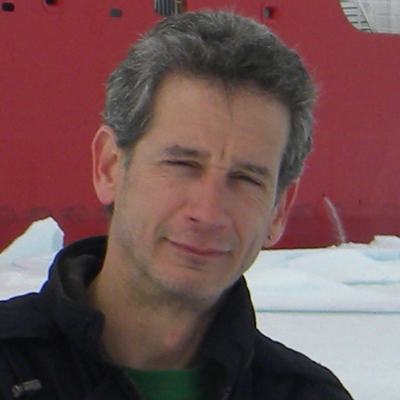
Kevin is a biological oceanographer who studies the microbial ecology of polar ecosystems to better understand their role in marine food webs, nutrient cycling, and productivity. His research focuses on photosynthetic organisms living in the sea ice and the ocean and how they are able to thrive in such extreme polar conditions. He is particularly interested in how climate-induced changes in polar environments are changing biological productivity and how this might impact marine ecosystems.
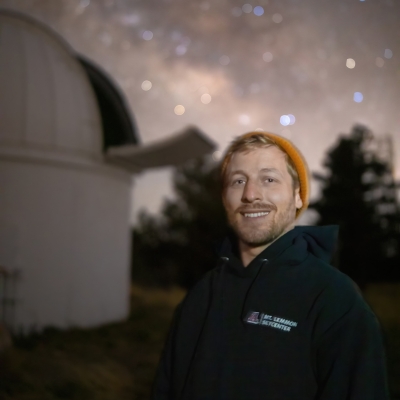
Dave is an experiential educator in the Sky Islands region of Southern Arizona. His programs welcome middle and high schoolers to Sky School’s observatory campus atop Mt Lemmon, near Tucson, where students engage in hands-on field research investigating Sky Island ecology and astronomy. Dave also mentors a team of University of Arizona PhD students as Sky School instructors in science communication. Dave enjoys playing ice hockey, mountain biking, and searching for water in the desert with his beloved pup, Sasha.
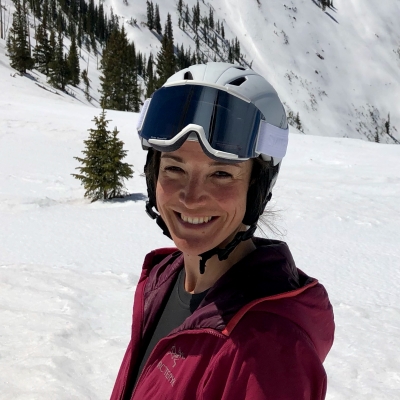
I am a glaciologist whose research focuses on investigating the impact of past and future climate change on Earth’s cryosphere, with a primary focus on Antarctica. Using field observations combined with satellite data and numerical modeling, I investigate controls of glacier melt, snow accumulation and dynamics, which are key to understanding future global sea-level rise. The upcoming 2026/27 Antarctic field season will be my eighth, and I also have extensive fieldwork experience in Greenland, Svalbard, the Himalayas, and the European Alps.
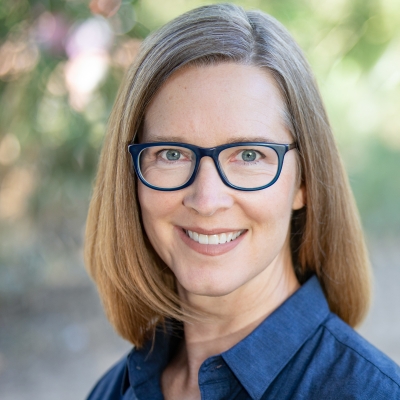
Heather Beasley is a writer, director, dramaturg, and teaching artist with a Ph.D. in theatre. She works as the Director of Education at Miners Alley Playhouse in Golden, CO, and the program director of BETC’s Writers Group. She teaches in the Professional Creative Writing and Arts and Cultural Leadership programs at the University of Denver. She is excited about creating an interdisciplinary STEAM collaboration that includes environmental education, playwriting, and performance.
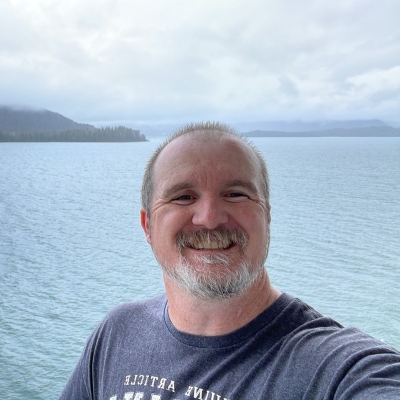
Bill is a middle school math educator who creates an atmosphere where students learn through doing. He believes that it is not enough for students to learn the “how to”s of any particular subject, but rather more important that they learn the why’s and develop a comfort with solving whatever problems may arise. He strives to connect content and pedagogy to real world application to truly tap into the greatest learning potential of our youth.
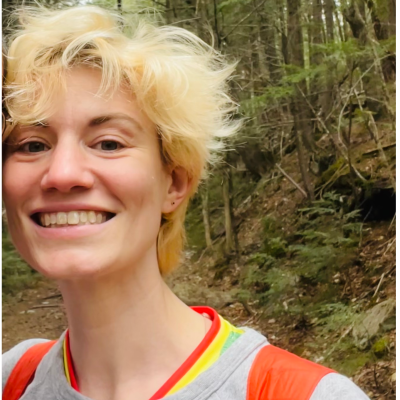
Madeline Avram Blount works as a technologist, researcher, and an artist. She explores creative interventions through work in code, digital media, performance, and social practice. Recent projects include co-founding a housing justice app, coding music from ant colony simulations in Panama, developing curricula for teaching ethics in scalable computation, and studying intersections between artistic improvisation and complexity science. An avid birder originally from Oregon, Madeline now brings her binoculars with her on the subway in Brooklyn, New York.
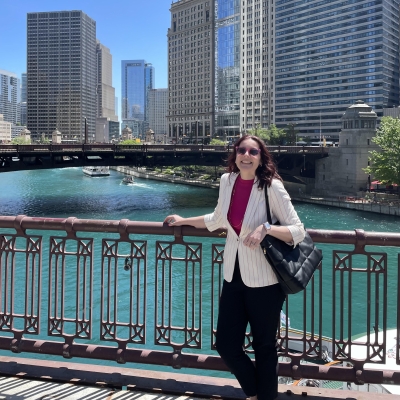
With degrees in geology and paleontology and more than fourteen years of teaching experience at the community college level, Chloe embraces her love and curiosity of the natural world. She is committed to scientific literacy and improving access to the earth sciences and is an advocate and author of Open Educational Resources (OERs). In her spare time, she enjoys reading, baking, and exploring museums and parklands.
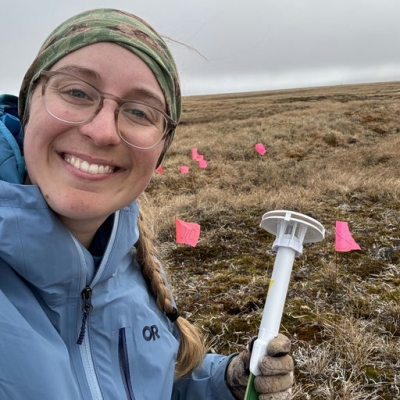
Katie’s research focuses on how climate change is altering the surface of the Arctic and, in turn, how those changing landscapes impact carbon cycling. She uses remote sensing to detect hot-spots of permafrost thaw, then visits those sites to collect field data on soils, plants, thaw properties, and carbon cycling. These data help identify risks of permafrost thaw across the Arctic Coastal Plain of Alaska, and aid in forecasting how the terrestrial Arctic will change as it continues warming.
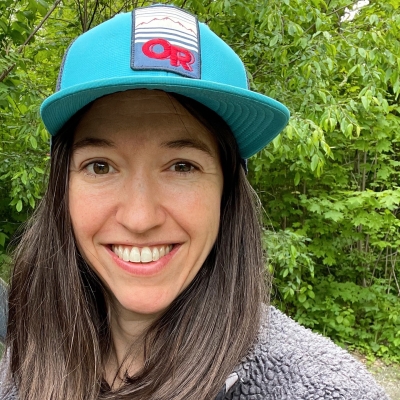
Lynn is a high school math teacher on a mission to make math more engaging by incorporating all the science that she can into her curricula. She believes math should be taught with warmth and humor, which has led her to various antics such as inventing a reality show to explain trigonometric integration and tasking students with modeling the path of a math textbook (hypothetically) being thrown into the campus pond. Lynn enjoys many forms of outdoor recreation with her husband and two kiddos and many forms of fiber arts, including sewing her own outdoor gear.
Beth is a paleoceanographer interested in the geologic history of sea ice and how it changes when the Earth warms. She uses single-celled algae–diatoms–to reconstruct sea ice in the subarctic North Pacific Ocean, specifically the Bering Sea. In summer of 2023, Beth will participate in a research cruise that aims to collect sediment cores from above the Bering Land Bridge in order to determine what the ecosystem of the Bering Land Bridge was like during the Last Ice Age and how sea ice changed offshore as climate warmed during the deglaciation.
Seth is an Associate Professor focused on understanding the impacts of climate change on glaciers, ice sheets, permafrost, and ecosystems across Earth. He is also Co-Director for the Juneau Icefield Research Program, a thriving education and research non-profit that is focused on training the next generation of Polar scientists. Seth is particularly passionate about inspiring others to explore the incredible wild places and science of our planet and beyond.
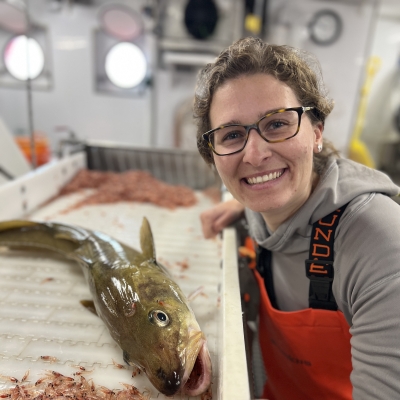
Haley is a PhD student who studies zooplankton community ecology in Arctic fjord systems. Her project is focused on exploring relationships between these communities and water masses in glacial fjords throughout Greenland. This is done through community analysis and defining trophic interactions using stable isotopes. Outside of science, she is an avid runner, swimmer, mountaineer, and global language learner.
Michelle Cauley is a lifelong learner and educator. After spending 15 years teaching K-12 in a variety of positions (STEAM coordinator, elementary teacher, science specialist) she moved to North Dakota to teach at Dakota College at Bottineau to inspire the next generation of science enthusiasts. With a Bachelors in Education, a Masters in Environmental Geoscience, Michelle is spending time to also complete her PhD in Environmental Studies while still teaching courses in Soil Science, Natural Resources, Geology, and Environmental Science. In her spare time she’s a Girl Scout troop leader, a paleontology dig enthusiast and an avid sportswoman who loves hunting, fishing, canoeing, and kayaking.
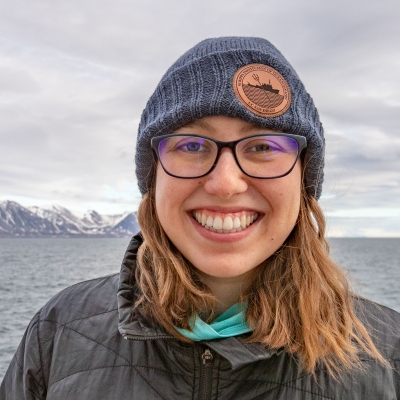
Emelia Chamberlain is a biological oceanographer who studies the microscopic life that thrives at the icy extremes of our planet. Using a combination of field observations and modeling approaches, her current research focuses on quantifying the impact of microbial diversity on climate-relevant biogeochemical cycling and ecosystem function in the rapidly changing Arctic Ocean.
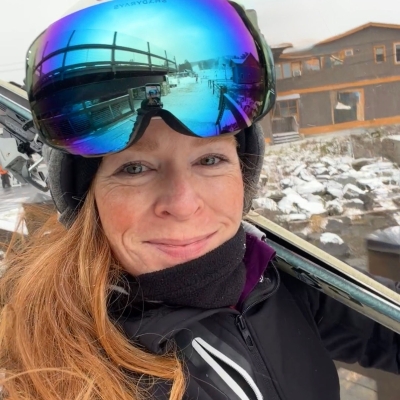
Nancy is an environmental scientist and science communicator who works with middle school learners across classrooms and out-of-school programs. She supports both educators and young people in exploring science through hands-on, art-integrated experiences that center curiosity, creativity, and real-world connections. She specializes in translating complex Earth systems into engaging, accessible learning experiences and collaborates with educators across New York State through professional learning networks. She believes that science becomes powerful when students are invited to see themselves as part of it. She is especially interested in place-based science and using storytelling and creative making to help learners connect local experiences to global environmental systems.
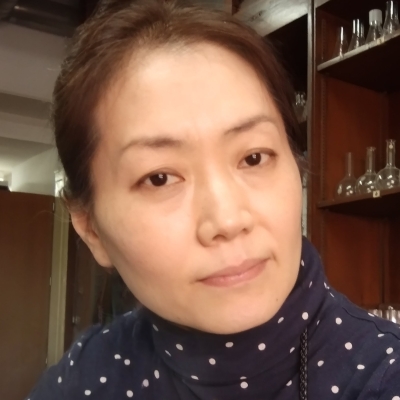
Chuhyon is a former neuroscience researcher who transitioned from academic research to secondary science education, designing student-driven investigations grounded in authentic research practices. Focus areas include experimental design, data analysis, and inquiry-based learning that supports deep engagement with science and the development of scientific literacy through evidence-based reasoning and informed decision-making. She is committed to expanding equitable access to research-based learning experiences and fostering scientific thinking beyond the classroom, particularly for students from underrepresented backgrounds.
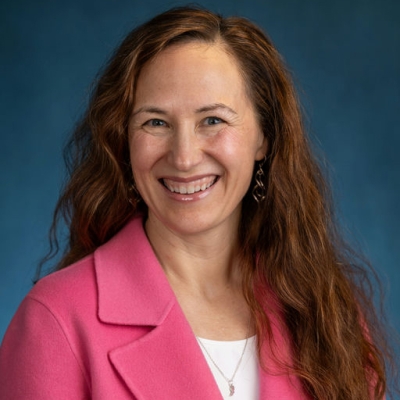
Rose M. Cory is a Professor of Earth and Environmental Science at the University of Michigan. She studies biogeochemistry along the land-water continuum in arctic and temperate biomes. Her research has focused on photochemistry and carbon cycling to understand processes controlling greenhouse gas emissions from soils, streams and lakes.
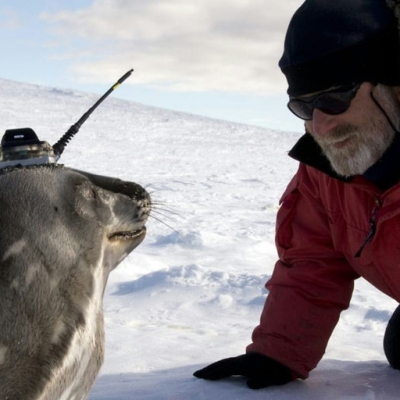
Dan has been studying marine predators for over 50 years and is interested in how animal work, how they manage to live where they live and why they do what they do. Dan’s research has included adaptations of animals to life in the marine environment, especially the movements, foraging ecology and energetics of pinnipeds and seabirds. Over the years Dan has worked with the US, British, New Zealand, French, and Australian national Antarctic programs.
Jesse is a physical oceanographer and polar researcher. He is broadly interested in turbulent ocean currents and their role in Earth’s climate. Recently, he has focused on currents occurring adjacent to marine terminating glaciers and their impact on ice melt. Jesse uses a range of instruments, including autonomous robots and drifters, deployed from ships to collect observations in ice-choked environments.
Joanna Davies is a paleoceanographer whose research focuses on understanding how sea ice in the Arctic responded to climate change in the past. Using lipids produced by algae living in sea ice that are deposited onto the ocean floor when the ice melts, we can reconstruct sea ice changes back thousands or even millions of years ago. Joanna has taken part in numerous research cruises to the Arctic, to collect marine sediment cores used for this paleoclimate reconstructions. Joanna’s current project focuses on understanding the role that sea ice played in freshening the oceans in the past, which can have broad impacts on our global climate.
Gabriel Dawe is a multidisciplinary artist exploring the intersections of color, light, and space through large-scale site-specific installations. Best known for his Plexus series, he uses vibrant threads to create immersive environments that instill a sense of wonder in the viewers. His work draws inspiration from architecture, textiles, and natural phenomena, reflecting on themes of identity, environment, and impermanence. Through his practice, Dawe invites viewers to engage with ephemeral beauty while contemplating broader questions of human connection and environmental change.
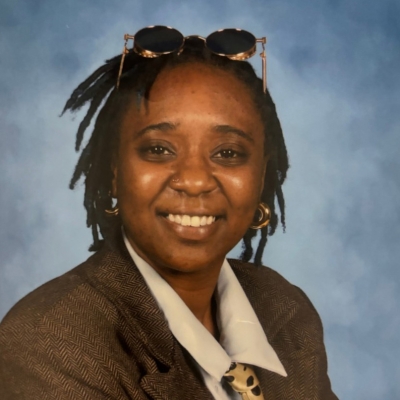
Patricia “Patt” Dennis has been an advocate for education since 2018. She started as an extracurricular instructor at the MLC STEM Center, teaching STEAM programs and chess to K-8 students. Patt has also worked as a reading coach and in various technology roles in East Orange, NJ. Now, she is a School Library Media Specialist and is pursuing an Ed.D. in Educational Technology Leadership, focusing on game-based learning and esports integration.
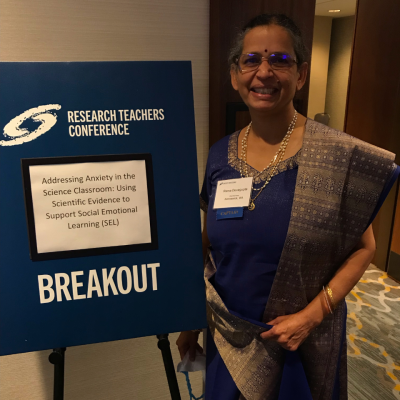
Dr. Rama Devagupta is a National Board Certified Biology and Chemistry teacher. She worked at the Pacific Northwest National Laboratories in Richland, WA as a Murdock Partners in Science Fellow during summer 2018 and 2019. Rama is honored and humbled to be selected as a 2023 Washington State PAEMST Finalist, 2023 Funds for Teacher Fellow, and 2022 NEAF Global Learning Fellow. Rama is also an artist and freelance writer, a certified Heartfulness Meditation Trainer, and a member of WEA/NBCT Leadership Cadre who advocates for quality education in our public schools.
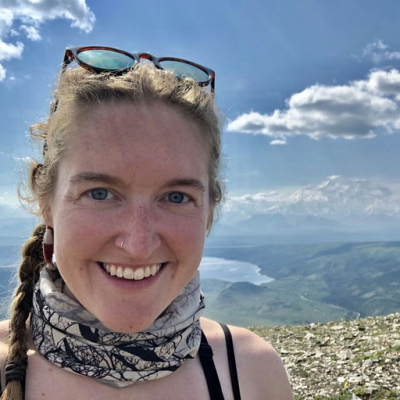
Bree researches human-animal relationships in North America as a researcher at the University of Wyoming. Her primary focus is on the traditional foodways of Alaska Natives in the Interior, particularly focusing on the history of fishing. Bree studies fishing through a combination of work with descendant communities, fatty acid residue analysis, and studying artifacts excavated from sites across the Tanana Valley, where she grew up. In her free time, Bree loves running, making delicious food for her family and friends, and hiking the trails of the Mountain West.
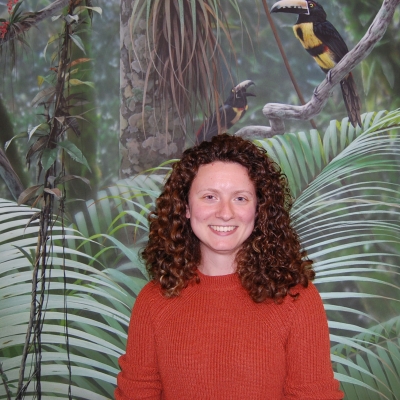
As the Student and Teacher Programs Coordinator, Jacklyn helps develop and facilitate educational programs for all ages with a focus on the relationship between humans, animals, and the environment. Working in a large urban city, access to natural spaces can be challenging so she seeks to foster connections between students and wildlife in creative ways. In her free time, she loves to read, cook, and exploring new places locally and globally.
With 20 years of professional expertise in education and 8 years in ecology and wildlife conservation, Erika merges science with daily life, mentoring students through curiosity and collaboration. She’s often found exploring the mountains, deserts, and waterways, enjoying activities like rafting, backpacking, hiking, climbing, canyoneering, and skiing with her family. Erika enjoys creating art and values the similarities the process shares with science in terms of creativity, analysis, observation, and the need for patience and adaptability in execution.
Dave has worked to incorporate both STEM/STEAM and global competency into his project-based engineering and research classes. He serves as the Green School Coordinator, the sponsor of the Get Into Tech and Astronomy clubs, and is a teacher-coach for the Engineering For Us All (E4USA) program. Dave resides in Maryland with his wife, daughter, and two black labs.
Stephanie is a high school science educator teaching chemistry, earth and space science, and AP Environmental science in southern NH. She has a passion for developing interdisciplinary curricular resources and hosts the Science with Steph podcast. Stephanie is active in the local community through educational outreach with the Boys and Girls Club and Girl Scouts, conducts historical research, and author of a book on the Islands of Southern Lake Winnipesaukee. She enjoys developing hands-on learning experiences, exploring New Hampshire’s natural landscapes, and exploring our National Parks in her off time.
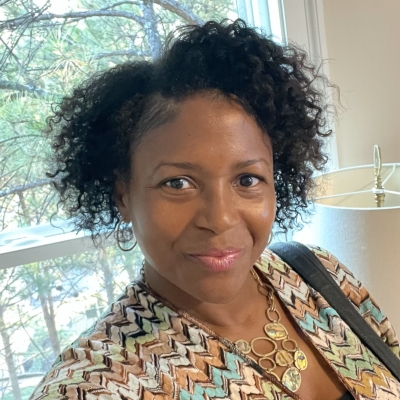
Tiffini is an Environmental Science professor at Kennesaw State University. As a lifelong learner, her journey has evolved from chemistry to sustainability education. As a STEM advocate with efforts to broaden participation, increase retention, and reduce barriers to contribution in the sciences, Tiffini is committed to STEM education with a focus on sustainability to empower students, particularly from historically underrepresented groups, to address issues related to climate change and remain engaged in the field.
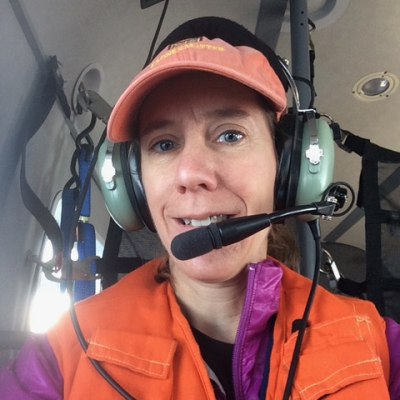
Sarah is a Professor of geology and Director of GeoFORCE Alaska, a field-based, summer geoscience program for rural Alaska high school students. She teaches undergraduate and graduate courses, including Historical Geology, Paleobiology, and Palynology. Her research involves identification of pollen and spores preserved in sediment cores in order to reconstruct past vegetation and climate. This summer, she’ll be collecting cores from the Bering Sea Shelf in search of sediment deposited in lakes and ponds on the Bering Land Bridge during the last ice age.
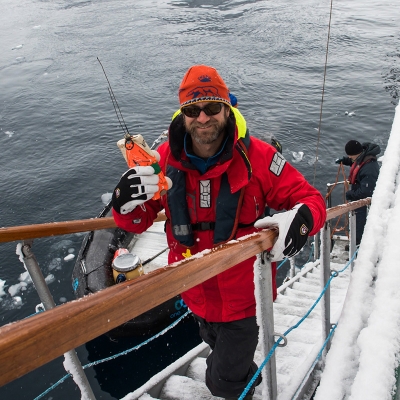
Ari Friedlaender focuses much of his research on the foraging behavior of marine mammals and their interactions with prey. He works on a wide range of marine mammal species including baleen and toothed whales and dolphins across a range of geographic regions. In Antarctica, he is involved in the Long-Term Ecological Research program at Palmer Station, where he studies the ecological roles of cetaceans in a rapidly changing environment. As a principal investigator in the Southern Ocean Research Partnership, he leads non-lethal research on cetaceans in the Southern Ocean, contributing to a deeper understanding of marine ecosystems in this critical region.
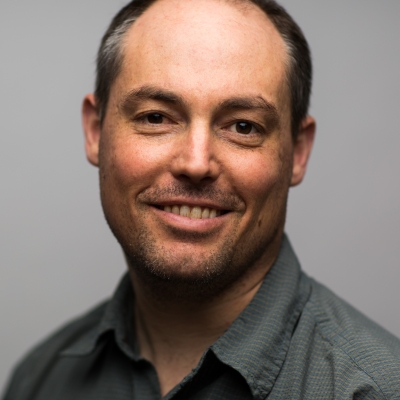
T.J. is a research scientist focused on interpretations of past climate from ice sheets. He uses ice core records spanning seasons to glacial cycles. His current projects include selecting sites to drill ice cores in Antarctica, imaging and interpreting ice core stratigraphy with electricity, and modeling how ice floes and deforms.
Kathleen is a high school Biology and Environmental Science teacher. She uses phenomenon based concepts to engage students in the scientific process and develops lessons to integrate student’s curiosities. Over the course of her career, Kathleen has discovered a passion for and personal interest in teaching about global climate change, infusing it into all classroom units. With over 10 years spent teaching, she is excited to gain first hand field experience to share with her students. In her free time she loves travel, hiking, cooking, reading, and roller skating.
Clare is a postdoctoral researcher interested in the changing Arctic environment and its impact on marine ecosystems. She uses remote sensing with measurements of water and light collected during research cruises to study phytoplankton, the major source of energy supporting local ecosystems. Her current research focuses on how sea ice and water masses control phytoplankton communities and their growth cycles.
Amanda Gavin is a limnologist who focuses on freshwater lake response to environment change. Her research approaches emphasize community engagement and integration of knowledge sources. In South Greenland, Amanda’s research weaves contemporary and paleo-limnological techniques with Indigenous Knowledge towards a holistic understanding of carbon cycling and lake level in agricultural lake systems.
Sarah is passionate about teaching college-level earth science. Sarah encourages students to actively explore geoscience with hands-on activities, scenarios, and labs. She especially enjoys demonstrating the relevance of geoscience by teaching students about current challenges that we face as a society, such as climate change. She feels that it is important to teach students about hazard science and safety.
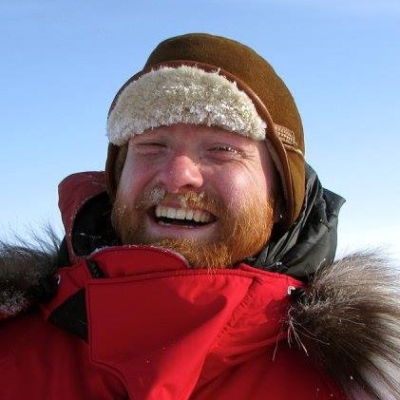
Tom is a postdoctoral researcher at the University of Alaska Fairbanks studying ecosystem change in the Arctic. He is particularly interested in interactions between animals and the cryosphere – how changing permafrost and snow affect wildlife, and how animals in turn alter permafrost and snow conditions. His current research focuses on beaver engineering in northwestern Alaska.
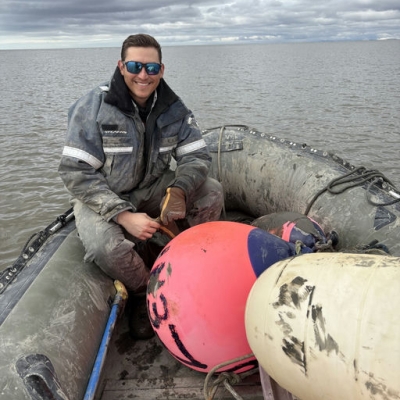
James is a PhD student in the Department of Fish, Wildlife, and Conservation Biology at Colorado State University. James is interested in population dynamics, demographics, and animal space use, with special interest in how these processes interact with one another and change through time. His current research investigates the demographic and population level consequences of differential migration and its associated carry-over effects on brant geese. In his free time, James enjoys fly fishing, hunting, hiking, and wildlife photography.
Holli currently teaches Biology, AP Biology, and an adjunct Geoscience Course “Earth, Wind, and Fire” through the University of Texas in Austin. She also serves as the Science Team Lead and contributes to the Curriculum Writing committee on her campus. Committed to fostering a lifelong love for learning, she pioneers engaging materials and initiatives, including the campus’s first science club. Under her guidance, students have initiated a recycling program, volunteered to teach science at elementary schools, and installed hydroponics systems to support the culinary program. Holli’s multifaceted approach extends beyond the classroom, empowering students to explore, question, and embrace diverse ideas.
Jeff is a high school science teacher who prefers to be a nerd within the herd than a sage on stage. He attempts to make every moment of his classes engaged in labs and authentic learning experiences and is invested in developing resources for students to become better scientists. He has created over 200 pages of sketch notes, made countless YouTube videos, helped create rain gardens and research prairies, written labs, and loves making schoolwide science events (Mole Day and March Mammal Madness). When he isn’t reading science books and magazines, he is out exploring national parks with his adventurous wife and kids.
Julia is a groundwater hydrologist studying coastal groundwater dynamics along temperate and Arctic coastlines. Her research incorporates field campaigns and uses numerical models to better understand the two-way interactions between groundwater and the ocean. Julia is particularly interested in how sea-level rise, extreme weather events, and permafrost thaw impact the health and function of coastal ecosystems.
Vanessa is a PhD student in physical oceanography. She is currently studying the dynamics of freshwater plumes discharged by marine-terminating glaciers, and she is interested in understanding how freshwater plumes affect glacial melting and the surrounding fjord. Aside from her graduate studies, Vanessa is also a classical pianist, an avid crocheter, and a (slow) cross-country skier.
Tori is a PhD student studying Arctic spring-stream ecology. She is interested in how the ecosystem handles seasonal light patterns (i.e. no plants are active in the winter!) across different stream water temperatures. She is proud to be a southerner surviving winter in the Arctic!
Will is an ecologist with a passion for plant and fungal diversity—which unfortunately means any attempt to get from here to there in the wilderness with him will take a little longer than it should as he documents and identifies plants along the way. His research focuses on ancient lineages of plants and how they respond to seasonal events like snow melt in the spring. Will has found a calling working in the backcountry leading teams of early career biological field technicians teaching them field botany skills and field science methods. When not working outside, Will spends free time adventuring with his dogs, fishing, foraging, rock climbing, and getting out on snowmachines, ATVs, and boats.
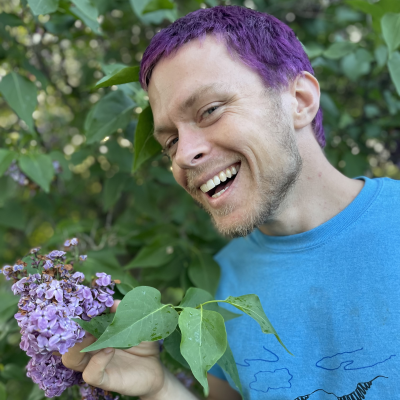
Keegan teaches Biology, Earth Science, and occasionally Chemistry in Durham Public Schools. He tries to incorporate as many hands-on activities as possible with his students, in an effort to get them engaged with the natural world around them. He has also taught middle school science in Quito, Ecuador, Headstart Preschool in Montana, and Environmental Education in Portland, Oregon. When not teaching, he loves to play music and spend time outdoors with his friends and family.
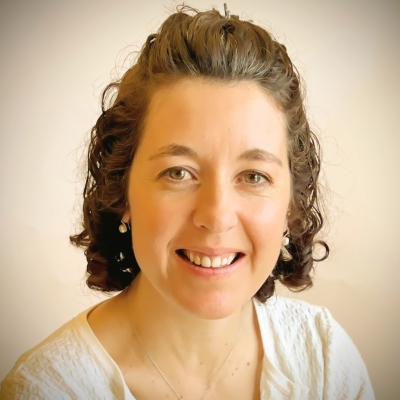
Elsa is a high school Life Science teacher dedicated to sparking curiosity and empowering students to see themselves as capable scientists and innovators. Through her role as an instructional lead and her collaborations with the Department of Education, Elsa advocates for transforming education by promoting meaningful learning experiences that prioritize exploration, critical thinking, and real-world connections. Her classroom emphasizes hands-on exploration, inquiry, and problem-solving, equipping students to think deeply and engage meaningfully with their learning. The outdoors serves as a constant source of inspiration for Elsa, who marvels at the delicate balance of natural systems and brings that sense of wonder into her teaching.
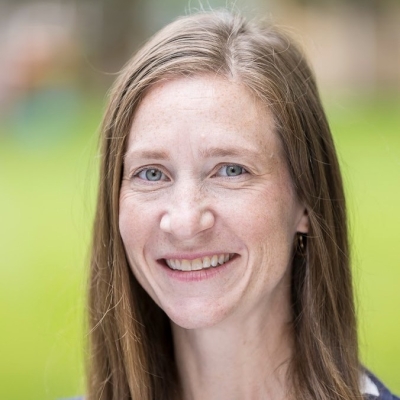
Mary is a plant ecologist who examines how carbon moves through ecosystems, and how this is changing with rapid warming in the Arctic. While working with her students, she aims to connect ecology to environmental justice and climate change. She has worked in Arctic Alaska and will be traveling to Arctic Norway this summer for the first time!
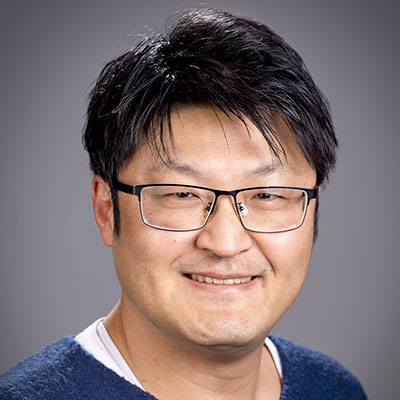
Naruki’s career objective is an integration of Earth science and pedagogy. He has developed and implemented a series of mobile online hands-on laboratory modules, which are available to all Americans, to achieve his goal. He is deeply involved in STEAM outreach collaborations with educators in Texas and beyond. His research interests exist in Cloud Microphysics, Atmospheric Ice Nucleation, Extreme Weather, and Aerosol Physics.
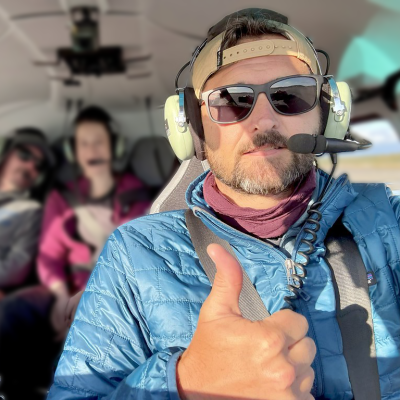
James Hobbs is an Assistant Professor of Geology and Chair of the Physical Science Department at Tarrant County College. His approach to teaching bridges theoretical concepts with real-world applications, transforming field experiences and research to showcase what science is and what is possible. This approach is central to his work in creating an inclusive and empowering learning environment for all students to find their scientific identity.
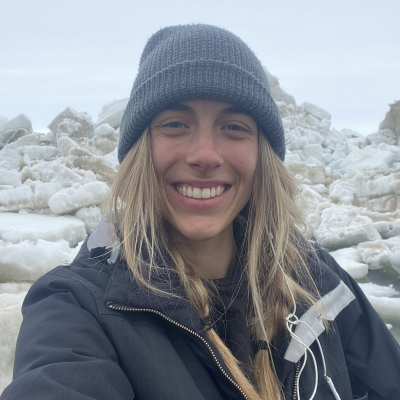
Macall is focusing her doctoral work on examining the effects of a warming Arctic ecosystem on stream carbon cycling in northern Alaska. Her project aims to quantify carbon transport across the tundra from drainage streams and determine how various landscape types and permafrost states might influence or control carbon fluxes. In her career, she hopes to work bridging Arctic research with Arctic conservation.
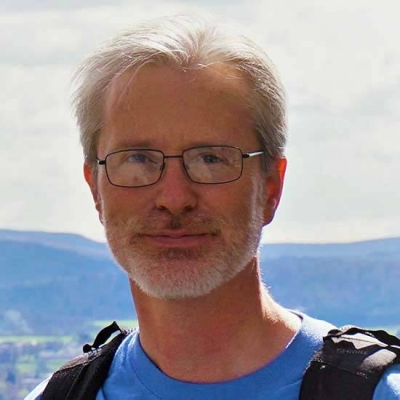
Bob Hollister has decades of experience doing research in the Arctic. He is currently co-chair of the International Tundra Experiment (ITEX) network and he leads a collaborative multi-disciplinary research project funded by the National Science Foundation as part of the Arctic Observatory Network (AON). His work, based at sites near Utqiaġvik, Atqasuk and Toolik Lake, is titled “Using the ITEX-AON network to document and understand terrestrial ecosystem change in the New Arctic.” These sites are now among the longest continually monitored vegetation studies in the Arctic.
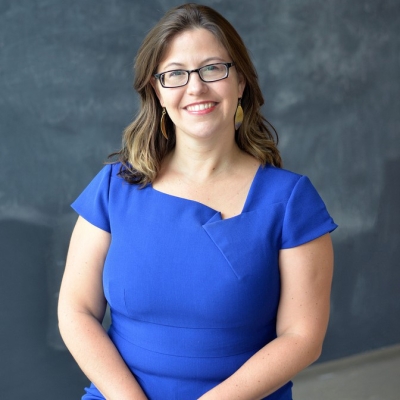
Tawny Holmes Hlibok is a Deaf education attorney, policy leader, and tenured Associate Professor of Deaf Studies at Gallaudet University focused on advancing Deaf-centered education, language policy, and civil rights. She has led national initiatives across early intervention, K–12, higher education, and workforce systems, including a federally funded early hearing detection and intervention program and White House–level policy work. Tawny is particularly committed to strengthening sign language ecosystems and building Deaf leadership—ensuring Deaf people are positioned not at the margins, but at the center of decision-making and systemic change.
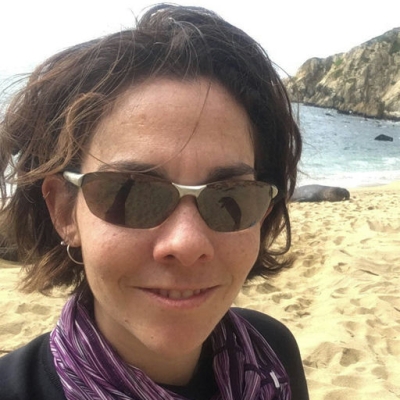
Rachel studies the behavior and ecology of marine mammals and how they relate to oceanographic processes. Rachel has a mixed academic background, having studied both chemical oceanography and ecology and evolutionary biology, and enjoys working at the interface of those two fields. Some of Rachel’s recent work includes: characterizing a major marine heatwave in the North Pacific and its effects on the reproduction and foraging ecology of the northern elephant seal; niche partitioning and foraging behavior of Weddell seals and penguins in the Ross Sea; and the movement and behavior of California sea lions in response to predators and human disturbance.
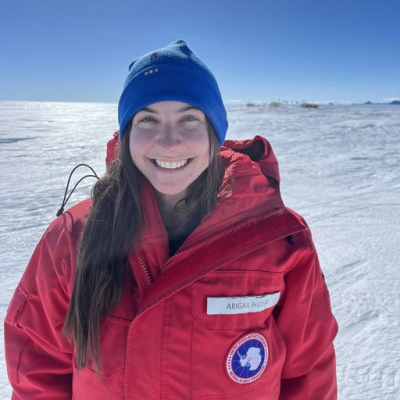
Abby is a paleoclimatologist interested in understanding climate dynamics in time periods that were warmer than today. She uses ice cores from the Allan Hills, East Antarctica–home to the oldest ice ever found on Earth–to uncover aspects of the climate over the past several million years. This old ice has many peculiarities, and some of her work aims to better decipher the climate archive within this ancient ice using geochemical techniques. By using high-resolution measurements of methane, water isotopes, and dust, the fidelity of the climate archive at the Allan Hills can be better interpreted and help researchers understand the ice core record that is now being extended millions of years into the past.
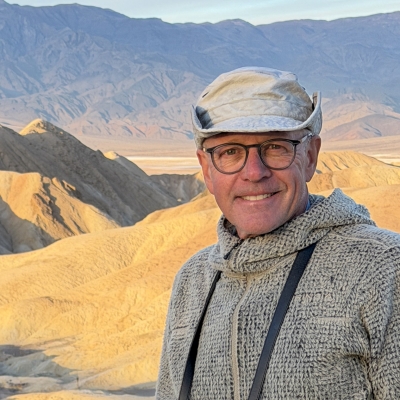
Brad is an artist, designer, and visual storyteller focused on landscapes that cultivate wonder about their natural or cultural heritage and the stories they reveal about our changing world. His work often expresses the temporal and dimensional properties of a place through immersive media installations, material artworks, and scenography in live music performances. As founder of an interactive design studio, Brad has spent two decades creating interpretive experiences for museums and cultural institutions — collaborating with scientists, curators, and technologists to deepen how people see and think about the world.
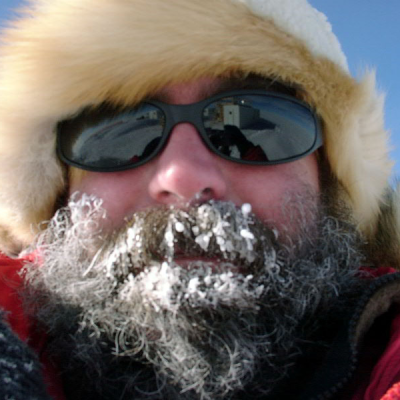
An educator for over 30 years, Rick has taught science and STEM courses from grade 5 to graduate school. For the last 14, he has taught future teachers how to love teaching science and STEM. Beyond the classroom, Rick has been engaged in several research experiences, been recognized for excellence in teaching, delivered professional development to STEM teachers in South Africa, participated in national and state-level science leadership, and in his free time he loves to bake and brew.
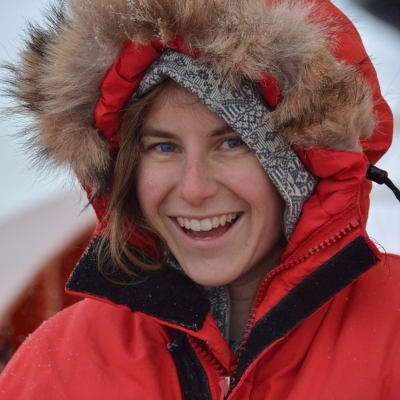
Hannah is a polar biogeochemical oceanographer at the Applied Physics Laboratory. She is interested in how different phytoplankton use different amounts of carbon, and whether this influences how much carbon the Southern Ocean takes up from the atmosphere. She especially loves finding fun ways to communicate her science to non-expert audiences.
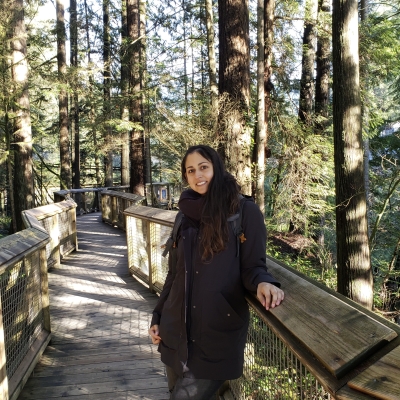
Fatima enjoys weaving science and storytelling together to create interactive lessons that bring diverse topics like astronomy and wetland ecology to life. Working as an informal educator in science museums, she uses technology and hands-on activities to empower learners of all ages to explore and understand the world of STEAM. In her current role leading virtual and onsite programming at the Pacific Science Center in Seattle, WA, she works to foster a sense of wonder, awareness, and stewardship and hopes that her passion for science communication inspires others to dive deeper into the topics sparking their curiosity.
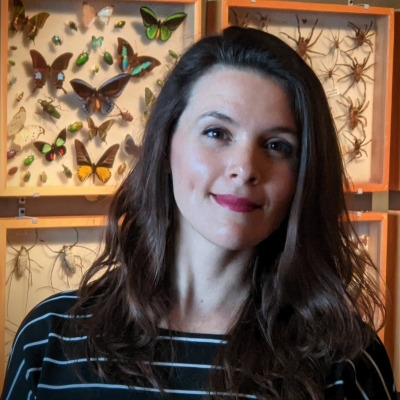
Renae Kerrigan serves as the Curator of Science and Planetarium Director for the Peoria Riverfront Museum. A well-known science educator in the Peoria area, Renae creates science themed exhibitions, live planetarium presentations, and makes frequent appearances on local media outlets. She is passionate about encouraging an interest and enthusiasm for science in folks of all ages.
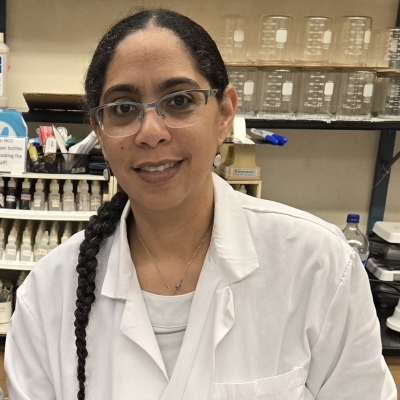
Shakira is an assistant professor currently teaching several physical science courses including Earth Science, Coastal and Marine Science, Environmental Science and Geology. Having spent 10 years working in coastal hazard assessments and climate change resilience in the Caribbean, she brings this experience into the classroom and is committed to empowering students with a greater understanding of earth’s processes. Through both active learning and field-based activities, she strives to help her students understand the dynamic planet and the role these processes play in our lives. Outside the classroom she shares her passion for the environment with the wider college community, serving as advisor to the student Sustainability Club and as a member of the college’s Sustainability Committee.
Sarah leads the Comparative Animal Ecophysiology Lab, and her research broadly focuses on understanding how animals work in the context of their environment. Her lab group studies the ecology, physiology, behavior, and evolution of large carnivorous predators (Seals! Whales! Wolves! Oh my!) to understand how individuals, populations, and species are coping with rapidly changing environments. She is an avid and fast reader (mostly fiction books), a COVID-inspired gardener, a slow but steady runner, a world traveler, and mother of two hilarious, busy, and awesome sons.
Eric is an Assistant Professor in the Department of Geological Science at the University of Alaska Anchorage. His hydroclimate research explores how water moves through the Earth and leaves different signals (some physical, others biological or chemical) that allow us to understand its distribution and impacts across multiple time periods, landscapes, and phase changes. He uses field instrumentation and stable water isotope ratios to understand the movement and relationship between modern hydroclimate variables, such as precipitation, glacier melt, and stream discharge. Much of Eric’s current research is in high northern latitude and Arctic environments.
Dave is a professor of population ecology that studies the demography, population dynamics, trophic dynamics, and life history evolution of vertebrates in changing environments. Recent interests include studies of the trade-offs and fitness consequences of differential migration strategies in Arctic geese amidst climate change. On a daily basis he enjoys mentoring graduate students and teaching quantitative ecology to young learners.
Mike is a cultural researcher and teacher (anthropologist) who has worked with Indigenous people and their communities over the past 35 years, first in Belize, then in Saudi Arabia, later in Siberia, and now in Alaska. Mike’s research focuses on oral history, traditional knowledge, ethnohistory, culture change, decolonization, Indigenous food sovereignty and security, resource use and allocation, and Indigenous cosmology/mythology. Foremost, Mike is committed to the co-production of knowledge with locals, recognizing that informal knowledge is often overlooked.
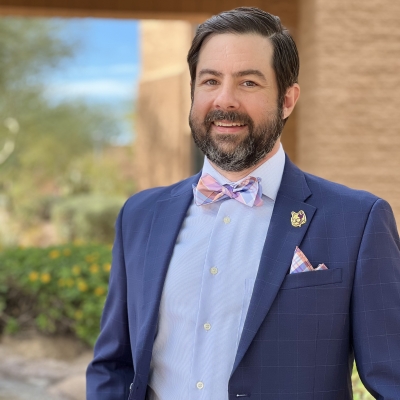
Zachary Kovach is a Professor of Geology and Sustainability at Estrella Mountain Community College, specializing in student-centered and inquiry-based active learning teaching practices for both STEM and Non-STEM majors courses. He is active in a number of teacher associations and organizations, and enjoys collaborating and sharing best practices with fellow educators to help grow science education globally. He lives with his wife and daughter in Avondale, AZ, where he enjoys family adventuring, martial arts, hot sauce, growing beards, and general silly dad shenanigans.
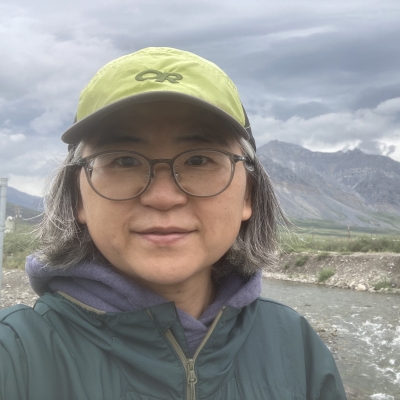
Yoko is a cultural anthropologist/ethnographer. Her research interests include oral history, Indigenous/traditional/local knowledge, ethnogeography, and Alaska Native languages, cultures, food lifeways, and history. Besides teaching and conducting research, Yoko enjoys learning about other cultures through languages, cooking locally harvested food, berry picking, walking, boat and four-wheeler rides, and basketry weaving.
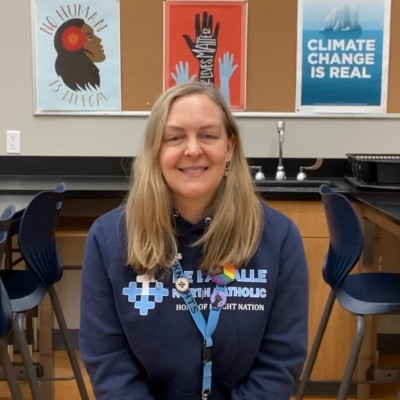
Amy teaches Biology and Anatomy & Physiology to high school juniors and seniors. She incorporates as much hands-on learning and data analysis as she can into her teaching. She loves curriculum design, and her favorite topics to teach are Evolution and Ecology. Before becoming a high school teacher, Amy conducted her masters research on coral reproduction at the University of Hawaii at Manoa. She also worked for several years as a research diver and an environmental educator. When not teaching, Amy loves to spend time with her family, hike, dance, swim and visit museums.
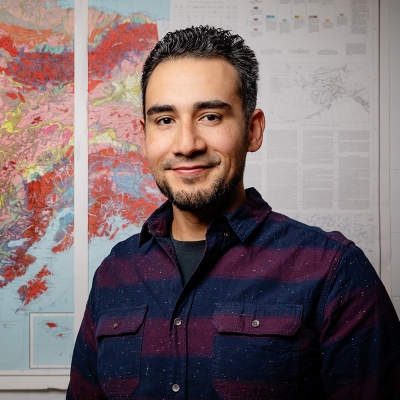
Mark is an ecologist who studies the causes and consequences of high-latitude land cover change driven by warming, wildfire, and permafrost thaw/degradation. His research focuses on detecting, modeling, and forecasting permafrost-driven landscape evolution using drones, aircraft, and satellites. This is done while measuring, mapping, and modeling associated patterns of vegetation change. He aims to enhance our understanding of the state and fate of the Arctic system in a changing climate.
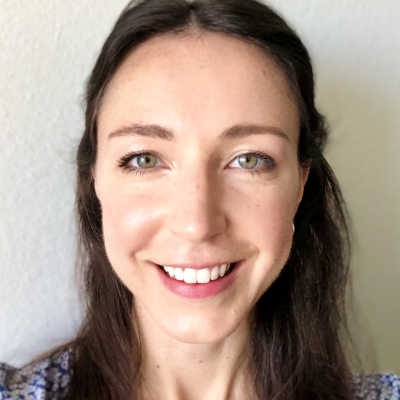
Laura is a climate scientist interested in past (Holocene) and contemporary climate change and its impact on Earth systems, with a particular emphasis on the Arctic cryosphere. Her work employs a variety of approaches including the use of sediment and other natural archives; historical and remotely sensed observational records; and geospatial tools and modeling to better understand how glaciers have, and will change in response to climate changes. She is also interested in climate science education and communication of polar research to broad audiences.
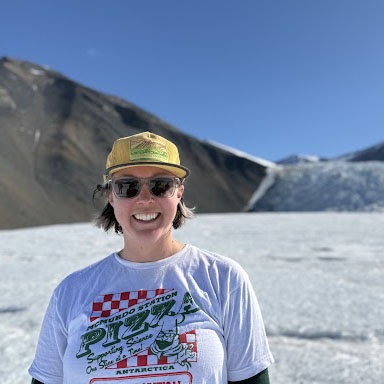
Jade is the Project Manager for the McMurdo Dry Valleys Long Term Ecological Research project, and the lead technician for the limnology “limno” team. Her research interests are polar limnology and biogeochemistry. She has spent the last 15 years removing water from pristine arctic and antarctic lakes and forcing it through various filters in pursuit of long-term ecological data.
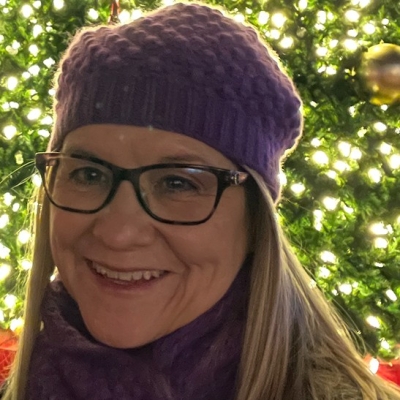
Narrative in nature, Janice’s art explores social ideas and issues, popular culture, and personal experience using both established and emergent technologies and media. As an artist-educator, Janice has taught two-dimensional design, graphic design, printmaking, and digital media. Currently, Ledgerwood teaches Photoshop through the lens of comics art, 2D animation/multimedia, and 3D animation/printing. When not teaching and creating art, Ledgerwood enjoys hiking in the Sierra Nevada, winter camping in Death Valley, practicing permaculture (you should see her veggie garden), dancing at music festivals, and going to Burning Man.
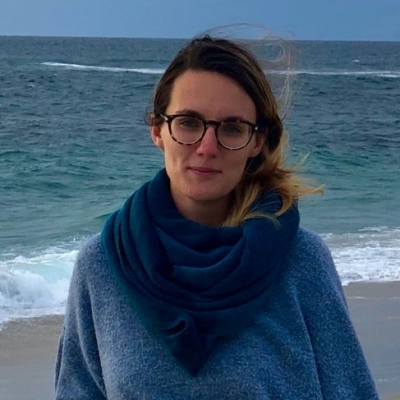
Margaret is a physical oceanographer studying ice-ocean interactions across scales from the subpolar North Atlantic to Greenland’s glacial fjords. She uses observations from ship-based and moored instruments to understand exchanges of heat and freshwater in the ocean around East Greenland. These dynamics are crucial to the large-scale ocean circulation and climate as well as to sustaining vibrant ecosystems that are central to local communities.
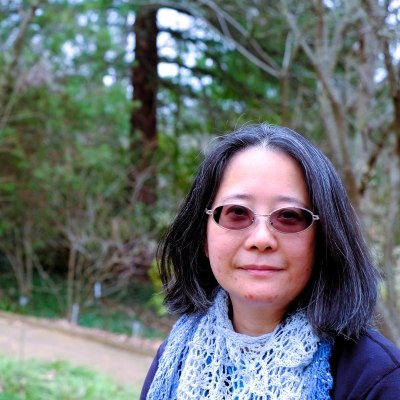
During her doctoral work in experimental condensed matter physics, Kris caught the teaching bug. Much of her career has been spent teaching introductory college-level physics at a two-year college, where she engaged students in a studio classroom. She now is the Director at The Organization of Physics at Two-Year Colleges and spends most of her time running professional development for two-year college and high school physics teachers. She is actively working to reinvigorate physics curriculum and hopes to use polar science as a way to do this.
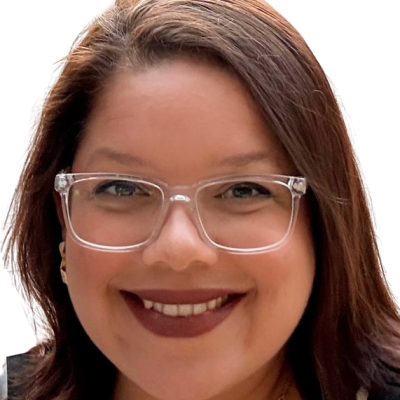
Karla currently serve as Associate Vice President of Programs at Girls Inc. of Tarrant County, where she leads STEAM initiatives designed to empower girls through experiential learning and career exploration. Her work focuses on integrating science education with real-world applications, fostering curiosity, and building confidence in underrepresented students. With a background in neurobiology and psychiatry, she brings a unique perspective to STEAM education that emphasizes critical thinking and resilience.
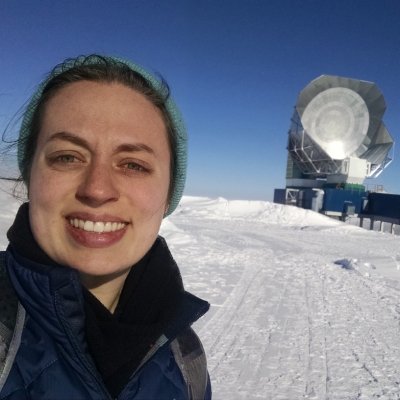
Dr. Amy Lowitz is a scientist in the Astronomy Department at the University of Arizona. She works on the Event Horizon Telescope (EHT), a global array of radio telescopes that work together to image and study supermassive black holes. Amy designs new hardware and systems to make EHT observing more efficient. She also oversees EHT observing at three of the EHT telescope sites: the South Pole Telescope, the Submillimeter Telescope, and the Kitt Peak 12m Telescope.
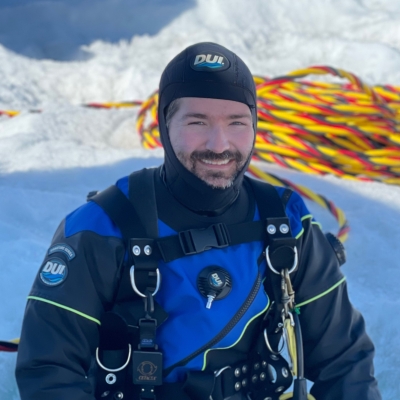
My research uses the tools of sedimentology to understand what evidence of microbial communities and their habitats can enter the rock record, how we recognize these deposits, and what sorts of observations in modern microbial ecosystems can give us useful search patterns to bring back to the rock record. My work in Antarctica focuses on microbial communities of the McMurdo Dry Valleys, particularly those growing at the bottom of perennially ice covered lakes. We are continuing long-term observations of lake bottom communities to understand how they respond to environmental changes in the region and what their sensitivity might be to habitat transitions in a future warmer Antarctica.
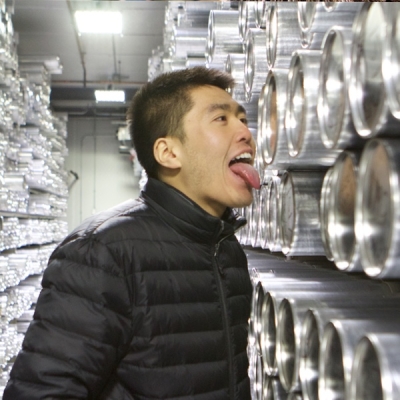
Merlin is an incurable tinkerer who hasn’t yet met a research topic he disliked, which means he’s in a happy place as a postdoctoral researcher in Electrical and Computer Engineering. His cryosphere work centers on designing and building new instruments—in collaboration with glaciologists, geologists, biologists, atmospheric scientists, and others—to better retrieve, measure, and analyze glacier ice and the paleoclimate indicators it holds. These devices have of late begun to incorporate high-power infrared lasers, giving Merlin hope that he will soon be promoted to Mad Scientist.
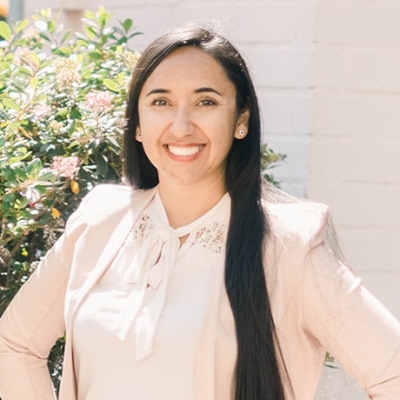
Monica is Teacher on Special Assignment (TOSA) overseeing the Science Programs for Montebello Unified School District. She leads a team of educators in developing and implementing Environmental Literacy content as it relates to climate change aligned to the Next Generation Science Standards (NGSS) and the Environmental Principles and Concepts (EP&Cs). She also currently teaches the Natural Disasters course at Cal State Los Angeles.
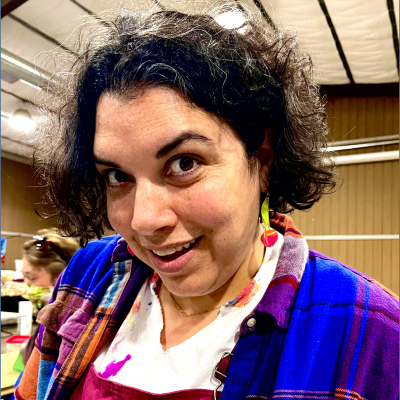
Amanda’s career in STEM began with outdoor education in the mountains of Big Bear, CA and on the beaches of Catalina Island. Her experiences took her south to Costa Rica where she taught middle school science. Amanda has since co-designed the middle school STEM curriculum for the Corvallis School District and continues to teach it today. She actively encourages her students to try new things and expand their scope by integrating real-world teachings into her lessons. Amanda lives with her family in Corvallis, OR where she is a board member of the Ten Rivers Food Web as well as an active member of her community.
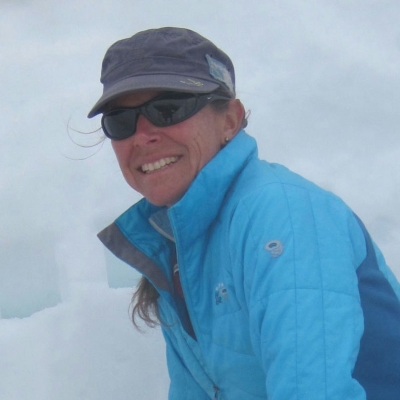
Dr. Murray, a molecular microbial ecologist and biological oceanographer, researches Antarctic free-living and symbiotic microbial life using molecular and genomic approaches to explore diversity, evolution, and ecological roles. She has been instrumental in developing environmental genomics technologies that enable the detection and study of microorganisms directly from environmental samples, bypassing the need for cultivation. Her interdisciplinary research integrates oceanography, geosciences, computational biology, astrobiology, and chemistry, and she collaborates with scientists worldwide to advance knowledge of microbial life in some of the harshest conditions on Earth.
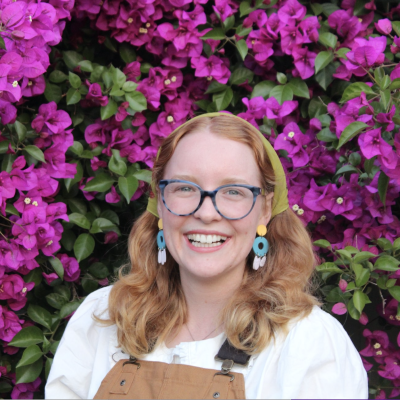
Meghan is the STEM Program Director for garden and nutrition education nonprofit where she develops and leads middle and high school programs. In her outdoor classroom, students are empowered to explore the intersection of horticulture, environmental justice and food justice through hands-on STEM activities. Outside the classroom, Meghan is a representative with the Los Angeles Food Policy Council’s “Farm to School” Working Group and Co-Leads the School Garden Support Organization (SGSO)’s Middle/High School Peer Learning Community. She is passionate about promoting educational equity and Citizen Science opportunities for youth leaders.
As a teacher, Steven is interested in the potential of active learning as enhanced by modern bona fide computational tools — like electronic structure software (e.g. Spartan) that allow one to probe molecular properties, or the use of reanalysis software (e.g. Earth.nullschool.net) that allow one to visualize synoptic weather systems. As a researcher, a lot of his work focuses on ice in the climate system: from its molecular properties, to growing cirrus-like ice crystals in a scanning electron microscope, to modeling that growth with partial differential equations, and to how clouds and snow interact with sunlight. He is further interested in how those interactions are shifting in response to a changing climate.
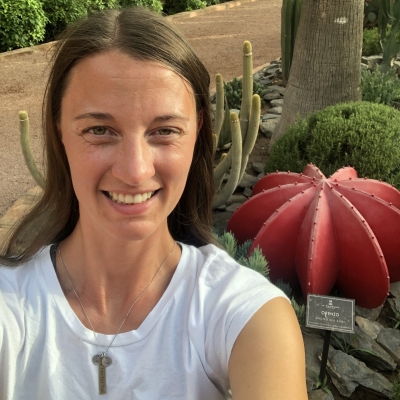
Taylor is a high school math teacher who believes math is a tool students should use to investigate their world. Her mission is to make math relevant for all students and show them it can help make predictions and guide solutions for global problems. For example, her students used geometry to determine the best places for grocery stores in various food deserts around the city. Outside of teaching, Taylor enjoys coaching tennis, spending time outdoors with her husband and dogs, and playing board games.
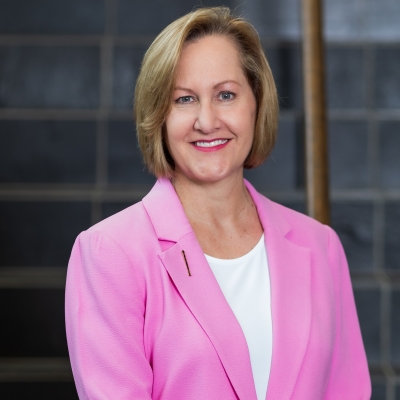
Music and STEAM educator Laurie Orth is passionate about creating a pathway for young people into STEAM through music and space exploration. She has worked with the Lift Off Institute for STEM educators at UT Austin’ s Center for Space Research and NASA’s Johnson Space Center. Laurie published her first book, Rocket Recorder: Volume One, an innovative music workbook for recorder students that introduces space exploration and rockets. Laurie is excited to continue to grow her STEAM outreach through the Polar STEAM program.
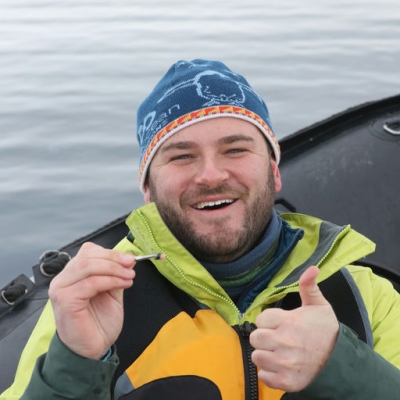
Logan is an ecophysiologist with a primary interest in understanding how marine megafauna populations alter their physiology and demography as a response to changes in their environment. To address these questions, Logan collects minimally invasive tissue samples (e.g., blood/skin) and then uses molecular and endocrinological markers to answer specific questions about population health and reproduction/stress physiology. He works on multiple species of large marine megafauna worldwide and continuously advocates for ethical animal research and effective conservation and policy. Much of Logan’s work to date has been focused along the Antarctic Peninsula, the South/Central Pacific, and the coast of California.
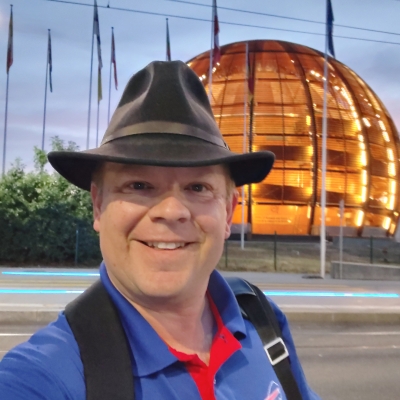
Joseph teaches Regents and dual credit courses in Earth and Space Sciences at Palmyra Macedon High School in upstate New York. He is also an educational specialist for test development and serves as a regional mentor teacher. He strongly believes in integrating outdoor field experiences with his learners and works to create an inclusive environment for all students regardless of their ability. He brings experience in curriculum design and collaboration from past fellowships that will serve him well during his Polar STEAM collaboration.

Jeanette is an Assistant Professor of Evolutionary Biology teaching undergraduate and graduate courses including General Vertebrate Zoology, Evolution, Biogeography, and Scientific Writing, Communications, & Broader Impacts at CSU Stanislaus. She is a vertebrate paleontologist interested in reconstructing ecosystems using geochemistry, while also investigating the development of science identity in individuals from historically excluded identities through mindful mentoring. Jeanette plans to incorporate the lessons learned through Polar STEAM in the classroom, using real-world examples to encourage students to pursue research in mitigating climate change.
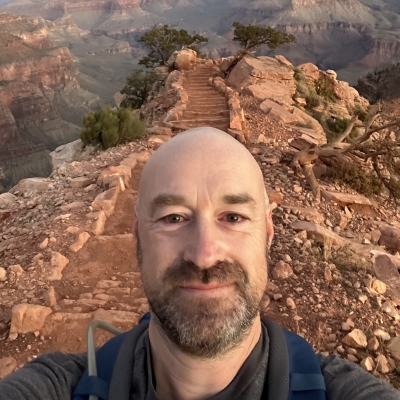
Filippo is an Applied Mathematician who strives to create connections for his students between Mathematics and their ambitions. Filippo facilitates learning by taking advantage of Open Educational Resources (OER) and technology so that students have a modern and accessible scaffold to build their learning. He often develops data-driven assignments that incorporate student passion and ideas. He has established a student research group in Mathematical Modeling and Analytics where he encourages students to present at national conferences and publish in undergraduate journals.
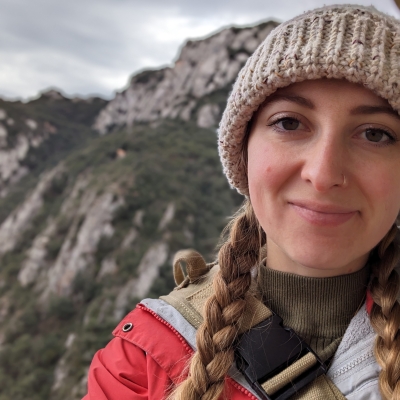
Kiley is a 7th grade science teacher in south-central Kansas. She is the co-head coach of Newton Science Olympiad, an organization of 30 students from diverse backgrounds involved in high-level competitions that span the scientific disciplines. She is also involved in curriculum design and implementation within her school district and is a strong proponent of open-source, phenomenon-based science education and resources. In her free time, Kiley enjoys making art, exploring cemeteries, and spending time with her husband and Siberian Husky.
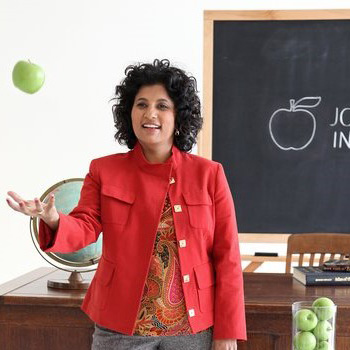
Bhavna Rawal brings 17 years of unwavering commitment to the field of education, currently holding the position of a seasoned Chemistry Instructor and professor at Lonestar Community College, CyFair. Beyond the classroom, her dedication to STEM education is evident through her leadership in running STEM and Aspiring Engineers clubs, collaborative work on NASA experiments in Zero Gravity, and participation in oceanic chemistry research on a NOAA research vessel. Bhavana remains steadfast in her commitment to shaping 21st-century students through project-based learning and fostering personal connections in their educational journey.
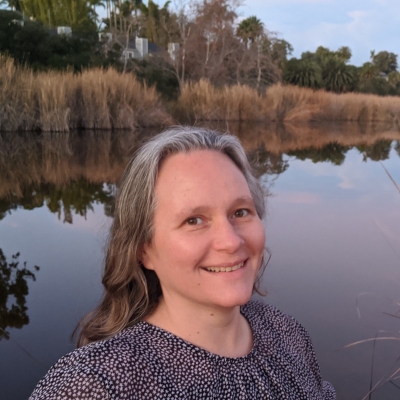
Waverly teaches physical, cultural, urban, and world regional geography courses at San Diego Mesa College. As the faculty advisor to the student environmental sustainability and conservation club, she oversees the campus vegetable garden and supports climate and food justice projects. Since 2017, she has coordinated the My California GIS Mapping Showcase and Competition for 4th-12th grade students on behalf of the California Geographic Alliance. She currently serves as an advisory board member representing California community colleges for the California Global Education Project.
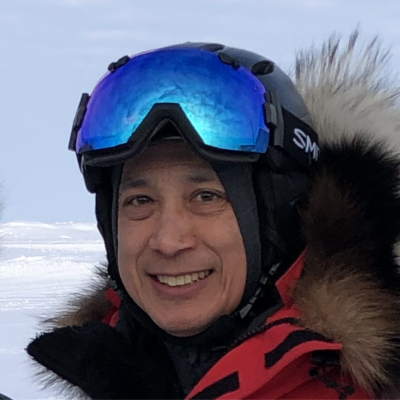
Ignatius is a climatologist at the Polar Science Center, Applied Physics Laboratory, and an affiliate associate professor in the School of Oceanography at the University of Washington in Seattle. Dr. Rigor studies sea ice, and how it interacts with the atmosphere and ocean. His primary tools for research are observations from drifting buoys and satellites.
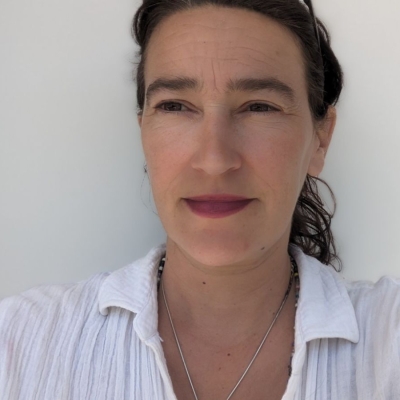
Through her Physics teaching, Joanna strives to expand experiential, project-based, and inquiry-focused courses at her college. She worked with NASA as a graduate student and was a professional on Shuttle’s Return to Flight. As an educator, she leads student projects in High Altitude ballooning and sound rocket payload design. She is currently working with the Nationwide Eclipse Ballooning Project.
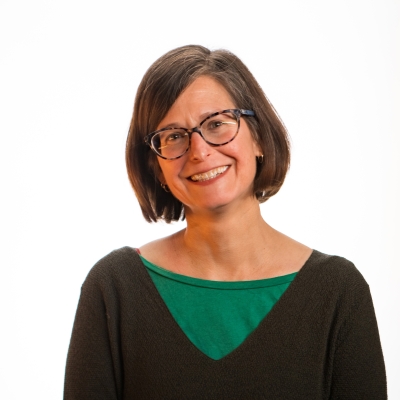
Rebecca Robinson is a paleoceanographer who studies how carbon and nitrogen move through the earth system. Of particular interest is how stable isotope proxies record the history of nitrogen cycling in the ocean. Proxy records of nitrogen drawdown in the Southern Ocean are an important piece of evidence for the roles of ocean biology and circulation in regulating atmospheric carbon dioxide across ice ages
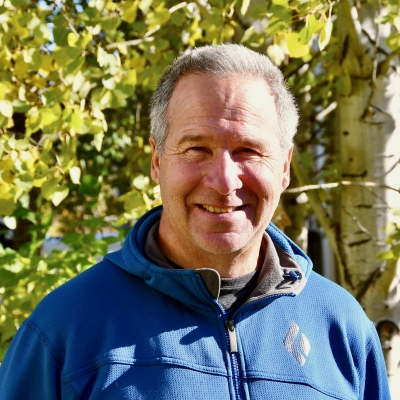
Jay’s work focuses on animal population ecology, modeling and estimation of population parameters, and effects of abiotic and biotic factors on population dynamics. Jay’s research includes both basic and applied topics that span from management of wild populations to life-history evolution.
As an atmospheric physical chemist, Penny studies the greenhouse effect of clouds and trace gases in polar regions. Recently, she has also been investigating the interactions between clouds and shortwave and longwave radiation, and the role they play in extreme warming and precipitation events in Antarctica. Her work also includes creating computational modules that bring polar research into the undergraduate classroom.
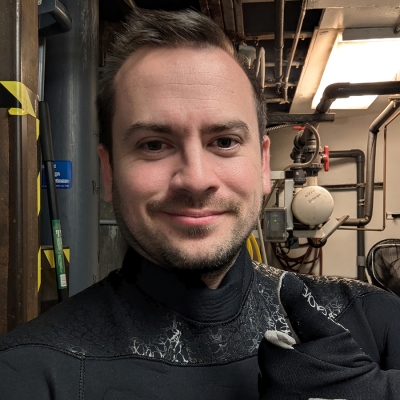
Eric is the Assistant Director of a science center and museum and has a passion for merging the scientific with the creative. He is perpetually curious and enjoys exploring new places, ideas, and subject matters. After obtaining a Masters of Fine Arts and spending ten years in the Army and Air Force Reserves, he is now a doctoral student of Leadership Studies at LSUS. When not working or studying, Eric can be found spending time with family and friends, illustrating wildlife, and training for Spartan obstacle course races.
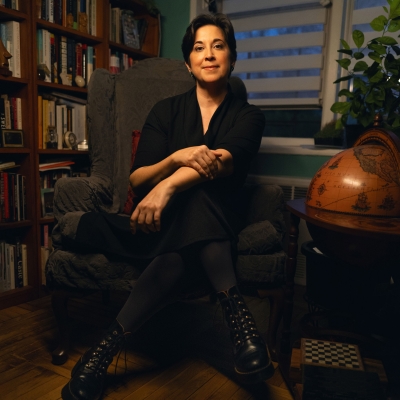
Kamala Sankaram is a composer and vocalist making work across the boundaries of opera, experimental music and sound installation. Building from a place of curiosity and a desire to center unfamiliar perspectives, recent projects have included compositions for a dancer-controlled digital mouth, an opera for the trees of Prospect Park, an opera with live data mining of the audience and a chorus of 25 tablet computers, and an augmented reality music walk exploring the history of Van Cortlandt Park in the Bronx. This 2026/2027 season, her first grand opera will premiere at Minnesota Opera, as well as productions in Seoul, San Francisco, New York City, and San Diego.
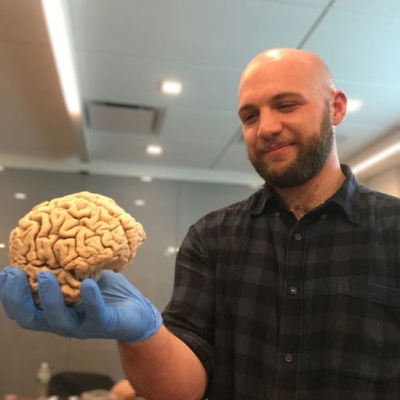
Pete is a middle school science teacher in New York City who has a passion for creating interdisciplinary projects connecting students’ lived experiences to environmental justice issues. He believes students need to see themselves as scientists and works to make that happen through community partnerships, original research, and student-centered inquiry. When he’s not in the classroom, he’s camping, metalsmithing, or cooking and playing games with his wife and dog.
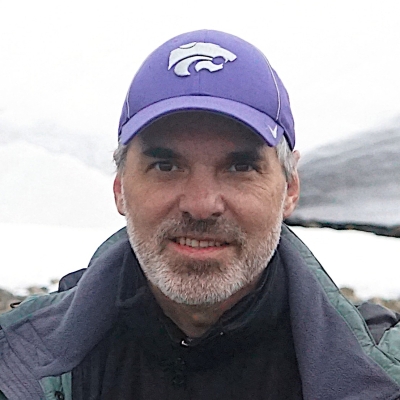
Aleksey is a hydrologist with interests in sustainable water resources under changing climate in the cold regions. He collects micrometeorological data at several Arctic sites and models the dynamics of unfrozen water and temperature in frozen grounds. He collaborates with geoscientists, biologists, and anthropologists to better understand the impacts of the warming Arctic on hydrological, biological, and social systems.
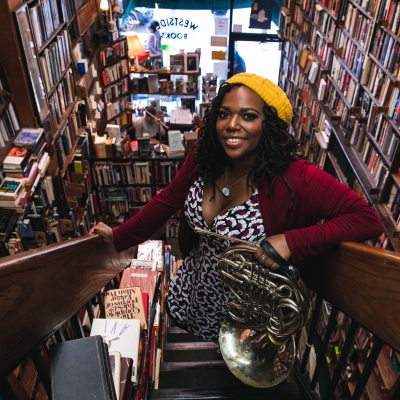
Kyra Sims is a musician, writer, and performance artist residing in New York City. Inspired by Afrofuturist themes, she creates soundscapes, song cycles, and experiential work, drawing from elements of her life and from the world at large, while also examining and dancing with the alchemy between performer and audience.In addition, she has worked as a backing musician with Lizzo, Jon Batiste, Earth, Wind and Fire, Carole King, Taylor Mac, and many other artists. She has performed as an ensemble member and soloist all over the world, in venues such as Carnegie Hall, the Kennedy Center, Chicago Shakespeare Theatre, and the Hollywood Bowl. Her Broadway credits include the Tony award winning musical Illinoise, and Drama Desk-nominated Off-Broadway shows Carmen Jones and Soft Power.
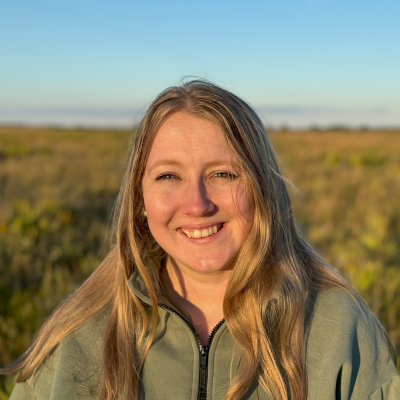
Lacey is a high school science educator who focuses on hands-on, inquiry-based learning to help students make sense of real-world environmental issues. She teaches environmental science and engineering courses where students work with data, design solutions, and explore how human and natural systems are connected. She is especially interested in using authentic climate and polar science to build student curiosity, scientific literacy, and a sense of responsibility for our changing planet.
Kate is a bioacoustician and oceanographer who uses passive acoustic monitoring to study underwater soundscapes around the globe. Her recent work has focused on listening to climate change in the Arctic by detecting changes in the biodiversity of the region using acoustics. She has worked with artists and musicians to share some of the sounds she has recorded with people around the world.
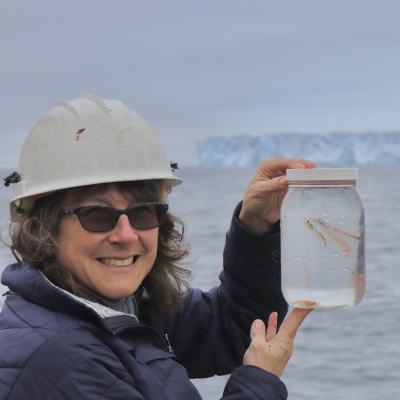
Debbie Steinberg is a biological oceanographer and zooplankton ecologist. Her research program focuses on how zooplankton influence cycling of nutrients and organic matter, and how climate affects long-term change in zooplankton communities in different marine environments. In Antarctica, she is co-lead of the Palmer Long-Term Ecological Research program investigating the long-term effects of climate change on the pelagic food web west of the Antarctic Peninsula.
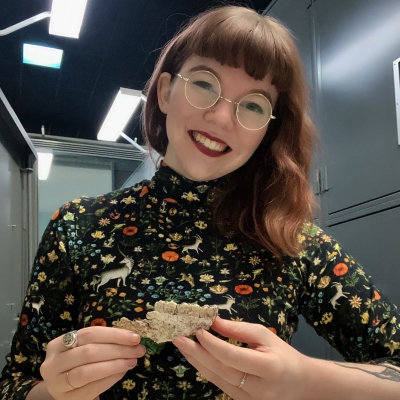
Brittney is the Collections & Communications Manager at WSC and a vertebrate paleontologist studying the paleoecology and taxonomy of terrestrial mammals from the Miocene and Pleistocene epochs. She is also passionate about science communication and outreach, and cofounded the educational initiative Cosplay for Science. When not doing or talking about science she enjoys film photography, writing, and other artistic pursuits.
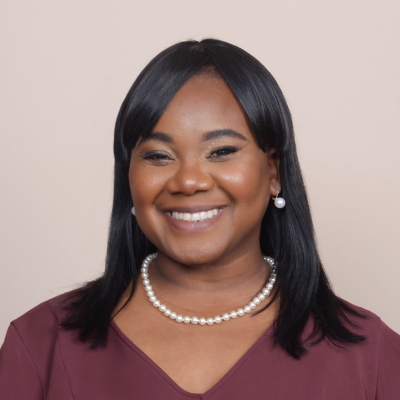
Precious Symonette is an educator, researcher, writer, public speaker, and international facilitator. She teaches Creative Writing at Miami Norland Senior High School and is an Adjunct Professor with Miami Dade College. She is the founder and CEO of the Florida Freedom Writers Foundation, a nonprofit dedicated to helping teens to promote free expression both in written and verbal form. She is passionate about teaching Creative Writing and helping her students to learn about themselves, to share their stories, and to develop into global citizens. Precious enjoys traveling the world, learning about different cultures, hiking, participating in service-learning projects, and spending time with her family.
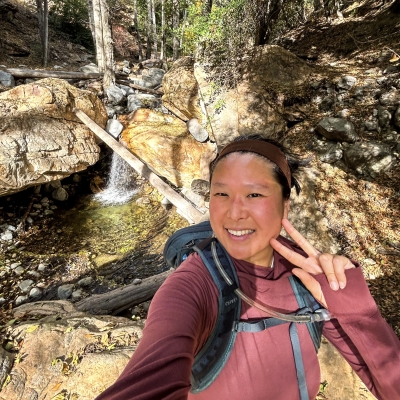
Gail Tang is a Professor of Mathematics with a deep commitment to exploring the intersections of mathematics with the arts and sciences. Her work aims to cultivate a richer understanding of mathematics through its current and historical applications, fostering a dynamic, interdisciplinary approach in the classroom. Her research centers on nurturing students’ mathematical creativity and advancing faculty development to promote humanistic teaching and research experiences. Outside of academia, Gail takes comfort in growing and preserving her own food, familiarizing herself with the land through hikes, and delving into the cultural connections embedded in global food history.
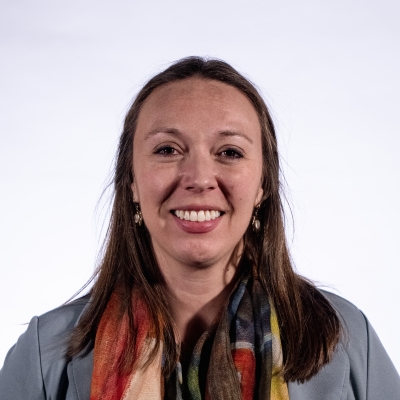
Tricia is a plankton ecologist and biological oceanographer focused on the effects of rapid climate change on phytoplankton and zooplankton populations and physiology. The major pillars of her research explore how global climate change (1) has and will impact long-term trends in plankton population dynamics and (2) has affected plankton physiology and feeding ecology. She studies these themes around the world from Antarctica to the Gulf of Maine. Tricia was also recently the President of the non-profit organization, Society for Women in Marine Science (SWMS), whose mission is to bring together marine scientists of all career levels to discuss the diverse experiences of women in marine science, celebrate the research done by women in the field, and promote the visibility of women in the marine science community.
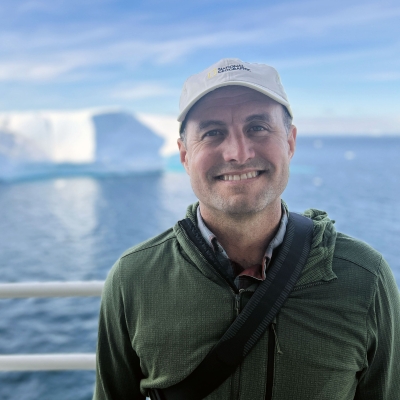
Andrew is a deep-sea and polar ecosystem ecologist. He studies how the ocean works from the foundational chemistry, to the microbial processes and life that alter that chemistry, to the animals that are impacted by all of the functions of marine habitats. He has worked in polar latitudes for more than 20 years.
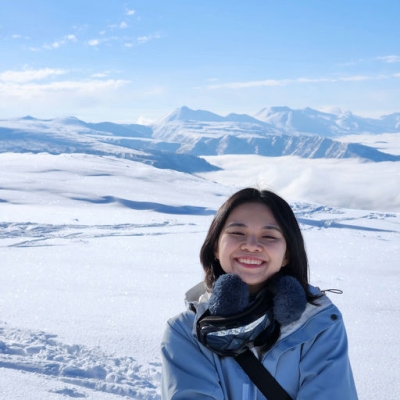
Kiera is a PhD student who studies ice–ocean interactions and basal melting processes in Antarctica. Her project focuses on using airborne radar sounding to characterize subglacial channels beneath Antarctic ice shelves and assess their role in freshwater transport to the Southern Ocean. This work combines geophysical data analysis with numerical modeling to better understand ice sheet stability and future sea level rise. Outside of science, she enjoys traveling, exploring new cultures, and learning new aspects of life.
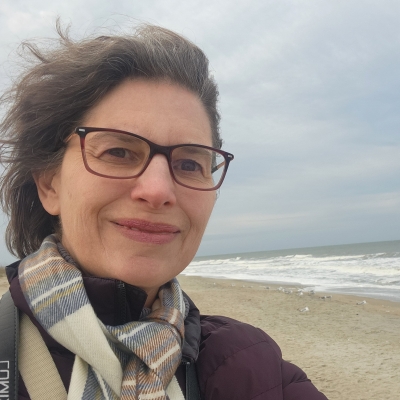
Kathy currently serves K–8 students in North Carolina by providing a portal to the wider world through artistic literacy. With 17 years of experience in art education, she empowers her students to transcend geographical boundaries by connecting them with international artists-in-residence via Zoom and in person. By highlighting the intersections of science and art, Kathy creates an equitable STEAM environment that inspires deep, transformative learning. Whether trekking the globe or photographing from her kayak on Lake Waccamaw, Kathy draws on her personal adventures to bring global perspectives and the splendor of the natural world directly to her students.
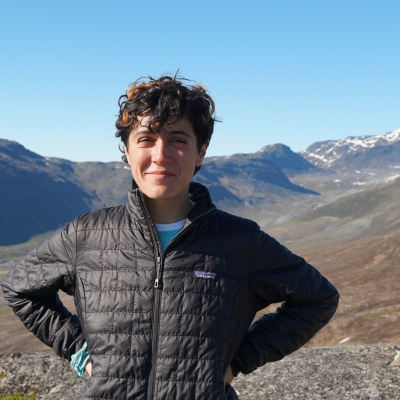
Mia’s research focuses on how climate and landscape changes impact ecosystems in Arctic lakes. Her project extracts chemical compounds from lake sediment archives in Kalaallit Nunaat (Greenland) to measure shifts in freshwater primary producers over the last 10,000 years. Mia’s work illuminates how climate change drives shifts in lake cyanobacteria that could pose threats to drinking water in the Arctic. She most enjoys how her research has opened doors for community conversations, research partnerships, and new friendships in Greenlandic communities.
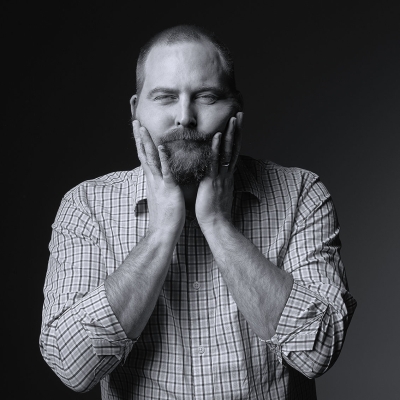
Tom Turner is a lens-based artist and educator based in Anchorage, Alaska. He teaches Photography, Digital Art, and Journalism at Bartlett High School, where he also advises the yearbook and emphasizes visual storytelling as a form of inquiry. His artistic practice explores landscape, time, and perception, often focusing on places shaped by environmental change. Through Polar STEAM, he is interested in bridging art and science to help students and communities better understand polar landscapes and the forces transforming them.
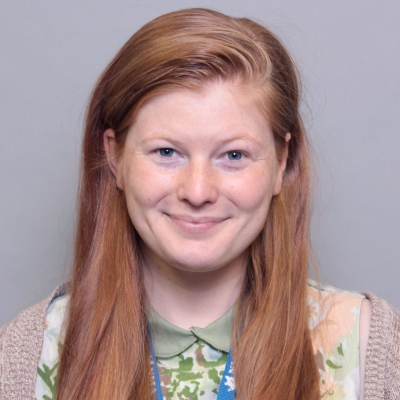
Andi Twiss is a dedicated Earth and Space science teacher passionate about connecting young scientists to the world around them. Eager to provide interdisciplinary, hands-on, project-based learning, she prides herself on bringing cultural connections into the classroom and fostering a global mindset in her scholars. From the school garden to the Amazon rainforest, empowering scholars to be engaged and curious investigators is the foundation of her teaching.
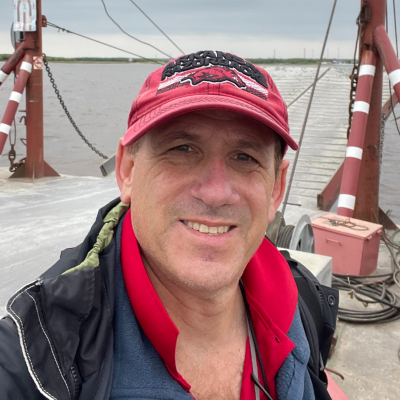
Peter Ungar is an evolutionary biologist, ecologist, and director of the UA Environmental Dynamics Program. His research focuses on the impacts of climate change on ecosystems over deep time and today. This work touches on a variety of fields, from human evolution to Arctic ecology.
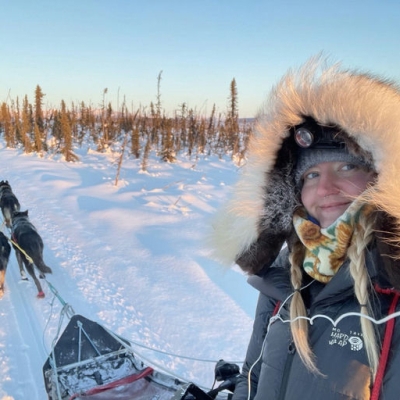
Abbey is a field ecologist with the National Ecological Observatory Network (NEON) in Domain 18/19 (Tundra/Taiga). Her role is training and leading crews of early-career biological field technicians to collect high quality ecological data focused on NEON’s flora field sampling protocols. Outside of work, Abbey spends most of her time training and racing her team of distance sled dogs.
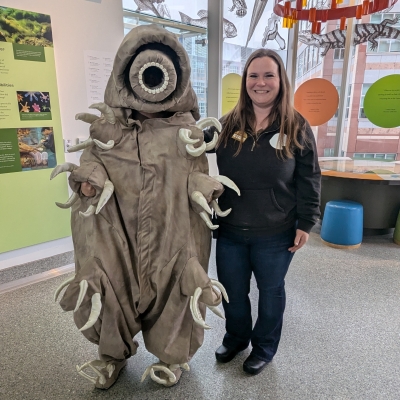
Heather is a museum educator and science outreach specialist. She is passionate about creating and curating impactful inquiry-driven science experiences for her community. She is excited by the change she sees in students who learn science through the context of real-world problems, real scientists, real research, and hands-on museum specimens. She is a skilled science communicator and former secondary science teacher who believes in making research accessible to everyone.
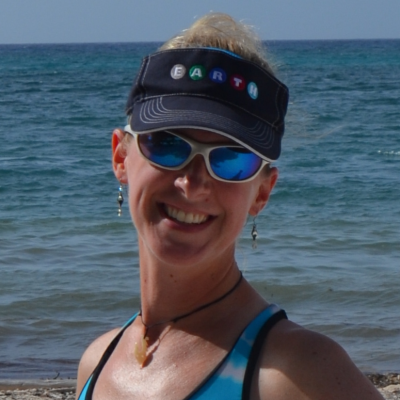
Katrina Walker has taught middle school science for twenty-one years. Her accolades include earning the Outstanding Educator of the Year award twice, publishing an article in ScienceScope, participating in the EARTH (Education and Research: Testing Hypotheses) Workshop through MBARI (Monterey Bay Aquarium Research Institute), and recently collaborating with scientists from Antarctica through the Polar Literacy program. Her passion includes making science come alive for her students by utilizing real science data in the classroom. Katrina enjoys traveling the world, practicing yoga, and spending time with her two teenage children and two corgis.
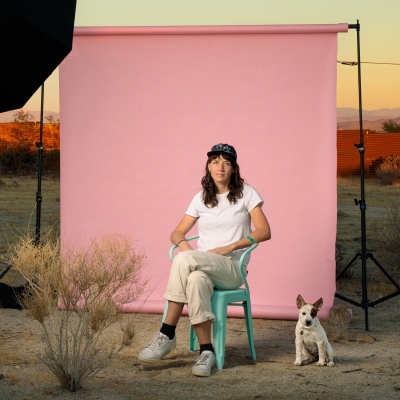
Margeaux is a visual artist based in Joshua Tree, California, whose work is both inspired by and about the land. Through photography, performance, and craft, she creates narrative images that engage with issues of conservation, environmental change, and place. Research and collaboration is central to Margeaux’s practice, as she translates histories, scientific inquiry, stories and experiences into each piece she makes.
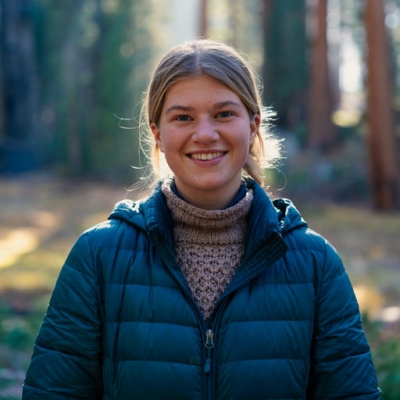
Julia is interested in how a warming Arctic is affecting the carbon cycle, with a focus on methane dynamics from permafrost thaw. Specifically, she studies upland tundra to understand how these landscapes act as methane sources or sinks. Her research investigates both the spatial and temporal variability of methane fluxes and the role of old permafrost carbon in contributing to methane emissions.
Amanda is a 6th-grade integrated science and ancient history teacher. She believes in the power of educators being able to transform the walls of their classrooms into fun and interactive learning environments for all of their students. Her students are often exploring the fundamentals of science through hands-on STEAM labs and diving into ancient history through the art of storytelling and investigations. She is looking forward to being able to bring Polar STEAM education, real-life science connections, and critical Earth’s System concepts to her students in sunny Florida. She values collaboration in education and hopes to be able to facilitate getting educational resources and curriculum to other educators around the country.
Matthew teaches 6th grade integrated science at the STrEaM Academy in Anchorage, AK. The school focuses on outdoor experiential project-based learning to help the most diverse learners in Anchorage engage in field science. Previously, he has taught in public high schools in the Rocky Mountains and internationally in the Cayman Islands. To Matt, good science isn’t complete without awe, challenge, and play. Beyond the classroom, Matt enjoys exploring Alaska, preferably on skis or a bike.
Elizabeth uses satellite images to study how climate change is impacting the Arctic landscape. She is particularly interested in feedbacks between climate change and the land surface, for example how more frequent and intense fires could release more carbon to the atmosphere or how climate-driven changes in tree cover could affect albedo. She is currently working on a project investigating long-term trends in Arctic lake area.
Bethany Wilson is a Senior Education Specialist at the Detroit Zoo. She also serves as a governing council member and educator with the National Network for Ocean and Climate Change Interpretation. Bethany is committed to helping young people develop leadership and environmental advocacy skills. Under her guidance she has implemented the Teen Conservation Summit allowing teens from across Michigan to share their passion for environmental issues and inspire the next generation of environmental leaders.
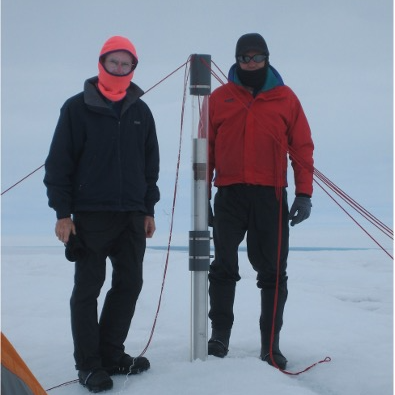
Dale is a physicist and geophysicist interested in the physics of electromagnetic radiation (from radio waves to X-rays) and ways to apply that physics to exploration of icy places in the solar system. He has also been leading development of an ice melt probe to further exploration of lakes beneath 1-4 km of ice in Greenland and Antarctica. These lakes are terrestrial analogs to ocean worlds in our solar system, in which he is interested from an astrobiological standpoint.
Tracy is an adventurous educator working as the Education Coordinator for Takshanuk Watershed Council serving Haines, Skagway, and Klukwan, Alaska. Her passion for getting students out of the classroom and into the field to learn about their local watersheds is what drives her instruction. With 5 years of classroom experience and over 10 years of working as an environmental educator, Tracy understands the importance of inquiry-based, student-centered projects. She actively engages students in her remote corner of the world in this form of hands-on-learning.
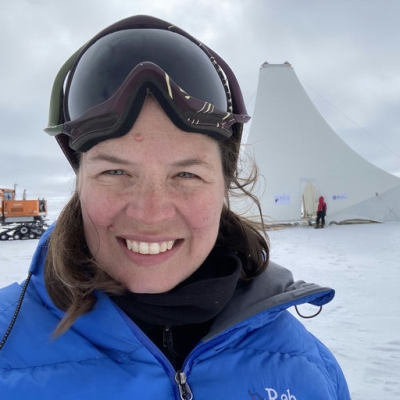
Stephanie Wissel is an experimental astroparticle physicist who searches for subatomic particles known as neutrinos when they interact with ice. She is interested in using neutrinos to explore extreme astrophysical environments. She has been working on experiments in both Greenland and Antarctica since 2012.
Erica is a multidisciplinary artist, architect, and researcher who explores the relationships between natural and built environments through material experimentation and computational design. With a background spanning theoretical physics, fine arts, and architecture, her practice operates at the intersection of art and science, translating abstract concepts and scientific inquiry into spatial experiences and time-based installations. Recent projects address themes of individual and collective memory, social systems, and shifting ecological forms, and have been exhibited in Stockholm, New York, and Shanghai. Erica has previously worked at Thomas Jefferson National Accelerator Facility, United Nations, and MoMA.
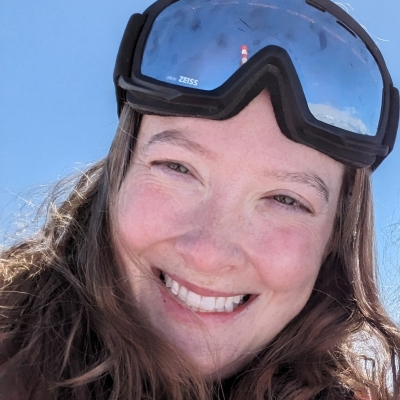
Julia is a postdoctoral fellow studying the adaptation of polar organisms to climate change by investigating the mechanisms of temperature detection in polar fishes. Her work combines evolutionary analyses, experimental physiology, field collections, and functional characterization of candidate genes using electrophysiology to understand how both Antarctic and Arctic fishes sense temperature.
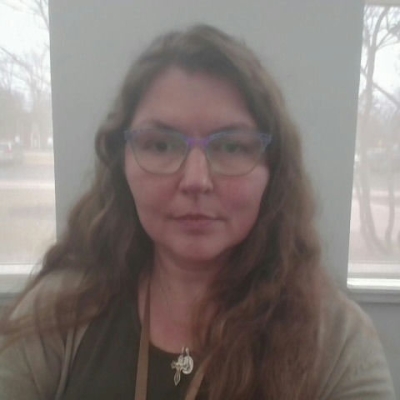
Julie teaches General Physics and AP Physics 1 and 2 with a focus on building a genuine love for research and hands-on experimentation. By encouraging students to design their own projects, she empower them to actively explore their world through a scientific lens. She also co-sponsor the Science Research Club, where students produce original work, are connected with mentor professors, and guided through the research process, from formulation of the initial question to a final presentation.
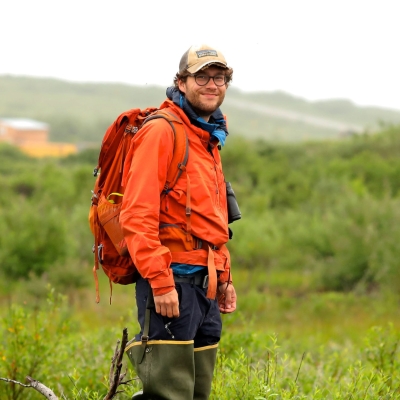
Sebastian is an ecologist focused on arctic community ecology. He is currently working on his PhD, studying the biodiversity impacts of beaver ponds – which are rapidly expanding in number across the Arctic – in arctic areas underlain by permafrost. Sebastian harbors a love and enthusiasm about the tundra and the mountains, and is passionate about sharing knowledge of the unique, beautiful arctic ecosystem.
Dr. Liang Zeng is a Professor in the Department of Physics and Astronomy. She specializes in physics education and physics teacher education. She is passionate about improving physics education in her community by working to expose preservice teachers to experiential and phenomenon-based teaching techniques.

Made possible with funding by the U.S. National Science Foundation Award #2221990. The information contained here is those of the author(s) and does not necessarily reflect the views of the U.S. National Science Foundation.