

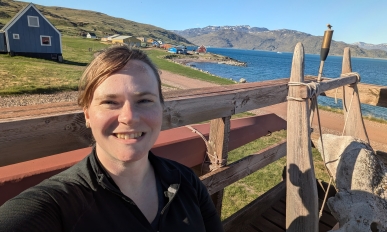
Our research site in Quassiarsuk, Greenland had one of the top three porches I have ever sat on in my life. The Leif Eriksson Hostel, owner of this porch, hosted our research team for the ten days we were in the field. I did not anticipate the joy that would come from this porch, and
Quantifying lake metabolism and carbon burial in an agricultural, drought-prone sub-Arctic landscape
South Greenland is a lake-rich region that is home to the first known example of agriculture in the Arctic, where lakes provide critical resources for sheep farming operations. As the Arctic experiences unprecedented warming, both subsistence and commercial agricultural operations are expected to increase, but it is unclear how the interaction of climate change and managed landscapes impact lake ecosystems and carbon cycling. This project addresses this critical gap in knowledge at multiple timescales. To understand lake conditions before the influence of present-day agricultural operations, the researchers will use paleolimnological techniques to reconstruct carbon burial, nutrient concentrations, and lake level over the past 200 years. To quantify how present-day weather patterns influence carbon cycling, the researchers will use year-round, automated sensors to track lake level and lake metabolism. Together, these results will provide a robust framework for understanding the interactive effect of climate and agriculture on Arctic lakes, which fills critical gaps in scientific knowledge and is important for communities that rely on lakes for farming operations.
Participants Involved in This Project
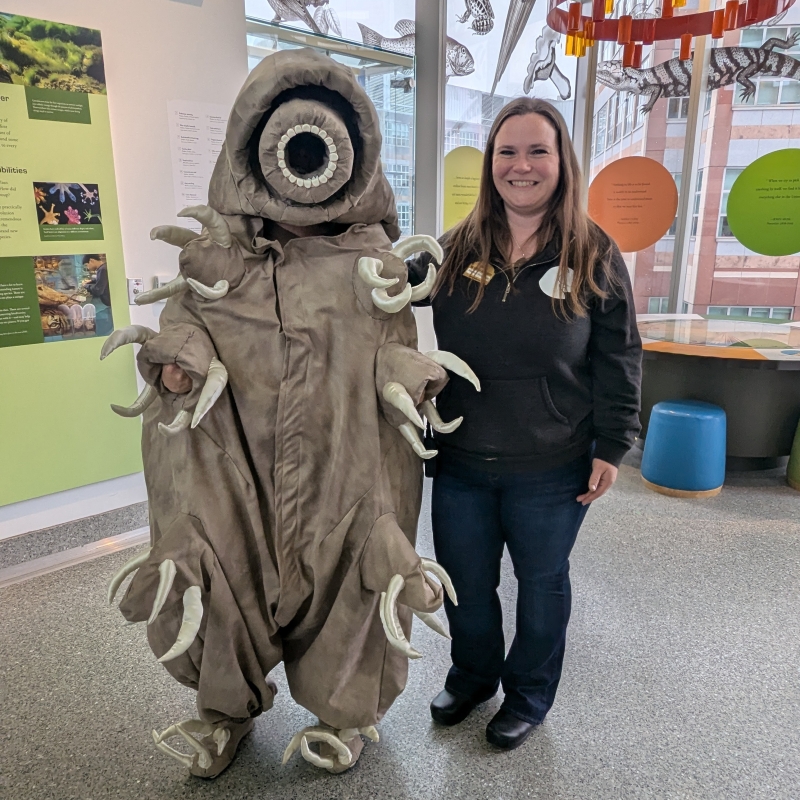
Heather Vingsness | Educator Fellow: 2026-2027
University of Michigan Museum of Natural History | Ann Arbor, MI
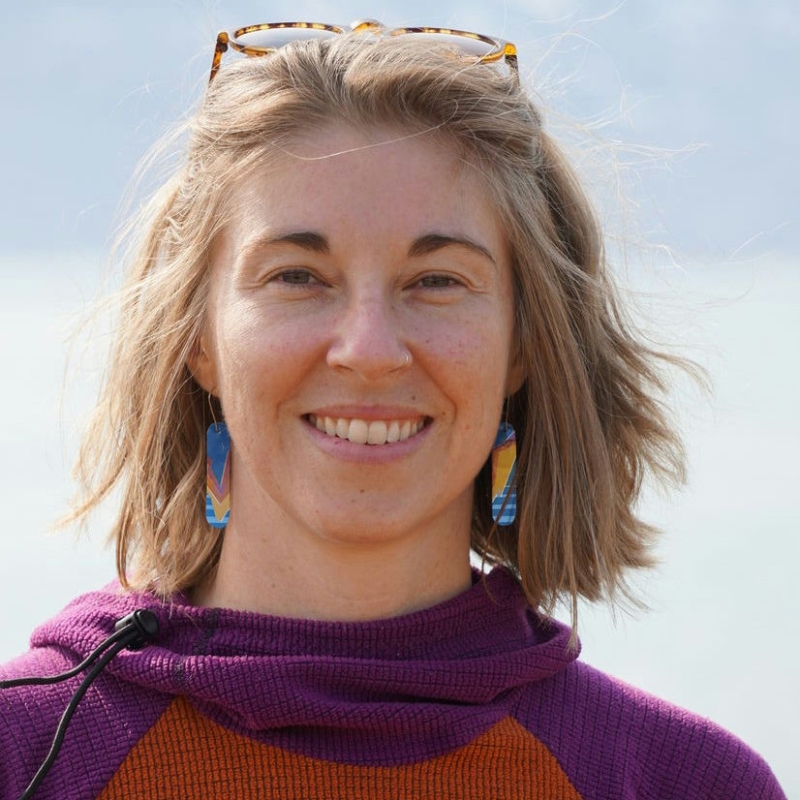
Amanda Gavin | Researcher Fellow
University of Maine | Orono, ME
From the Blog
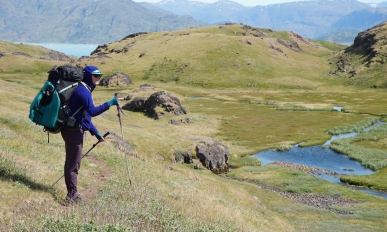
We passed an iceberg and pulled into the port at Qassiarsuk, Greenland. We disembarked with a question to answer: How are the lakes in this area changing? Amanda Gavin, PhD candidate at the University of Maine, has been returning to the same lakes for the past five years to find out. This time, I was

Made possible with funding by the U.S. National Science Foundation Award #2221990. The information contained here is those of the author(s) and does not necessarily reflect the views of the U.S. National Science Foundation.
Sign Up to Receive Updates
Receive regular updates to your inbox with the latest information about the Polar STEAM program.
Get Email Updates