

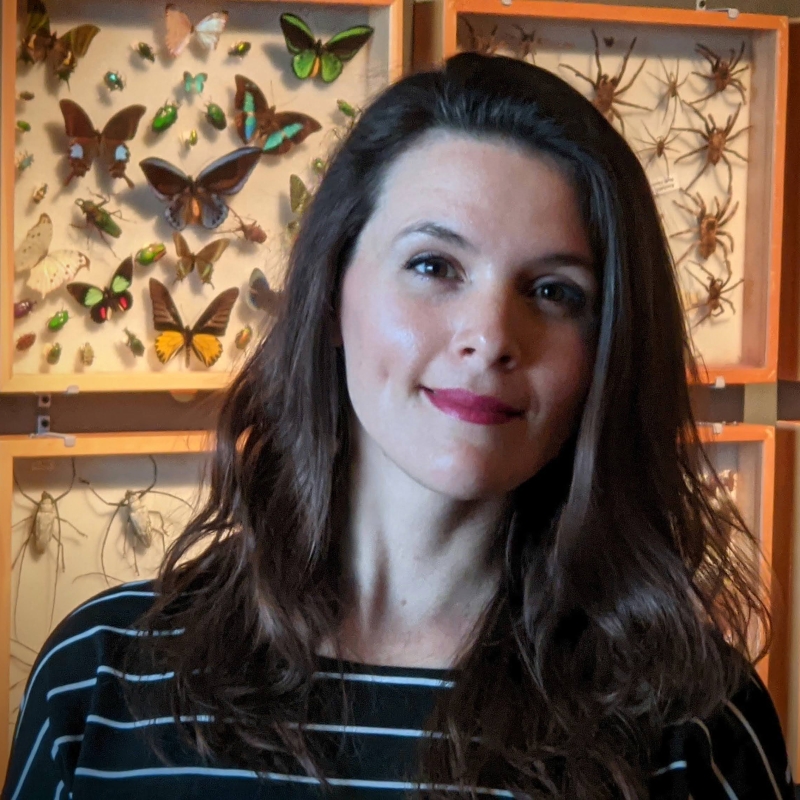
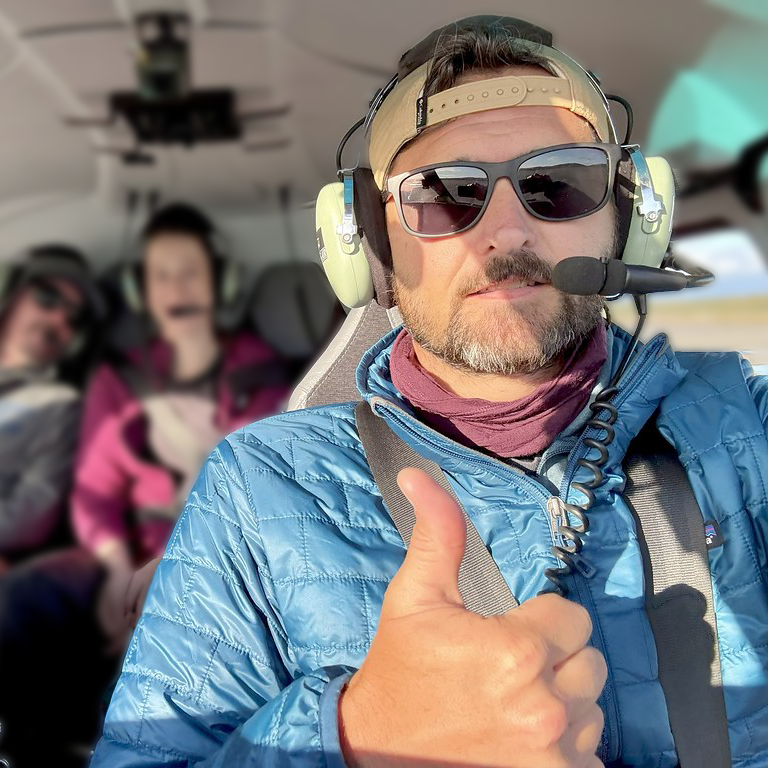
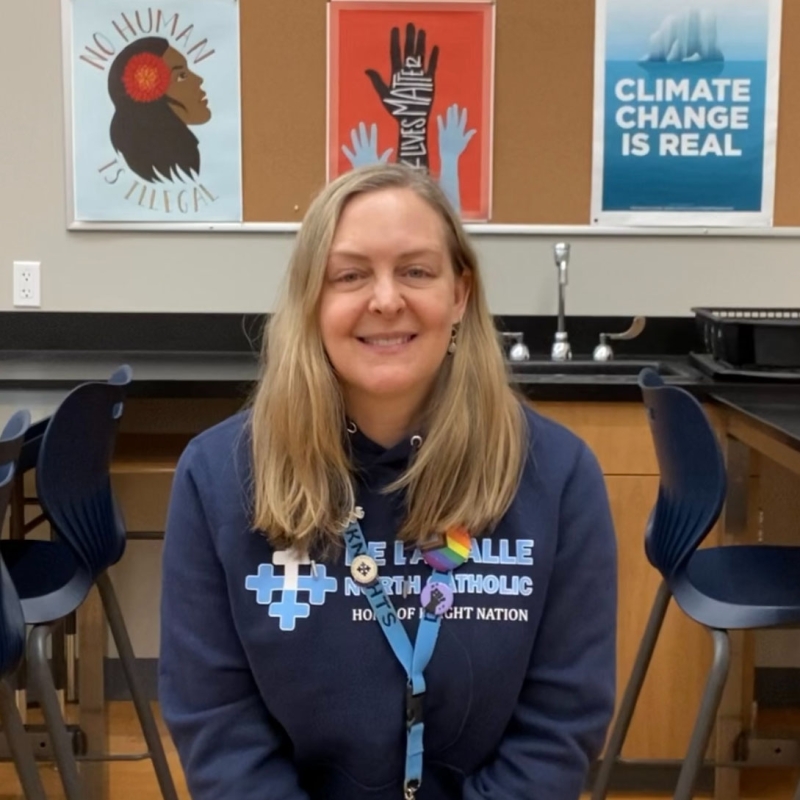
As I reflect on my field experience in the Arctic, the theme that resonates with me is connections. The human connections are probably the experiences that will linger in my mind the most. Dr. Tom Glass and I spent hours driving in the truck to remote sites, before the rest of the research team arrived.
Arctic Beaver Observation Network (A-BON): Tracking a new disturbance regime
Beavers in Nome! Beavers are now moving from the forest into arctic tundra regions, where their extent and impacts are unknown. In the Arctic, perennially frozen ground – permafrost – stores vast amounts of carbon, and the stability of permafrost is jeopardized when the landscape is inundated due to beaver engineering and changes in hydrology. Furthermore, stream life in the Arctic is limited by low temperatures, but deeper water associated with pond building increases water temperature in winter. This in turn alters stream ecology and may create refugia for new species moving into the Arctic, including fish. Beaver expansion into new areas has been observed with concern by people living in affected regions, particularly potential impacts to fish, water quality, and boat access. This research will co-produce knowledge with local people to understand concerns and observed impacts of beaver colonization. Scientific fieldwork at beaver ponds will illuminate changes in hydrology and permafrost. This understanding will be combined with satellite images of beaver ponds across the entire Arctic to determine the extent of beaver engineering and recent changes
Participants Involved in This Project
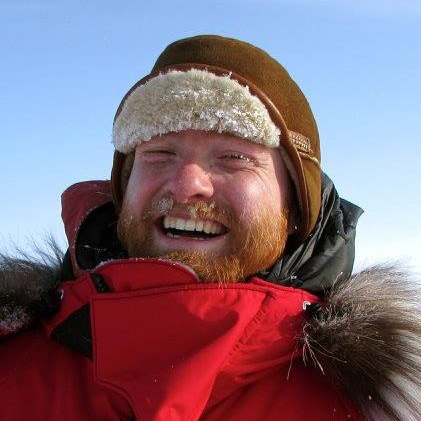
Tom Glass | Researcher Fellow
University of Alaska Fairbanks | Fairbanks, AK
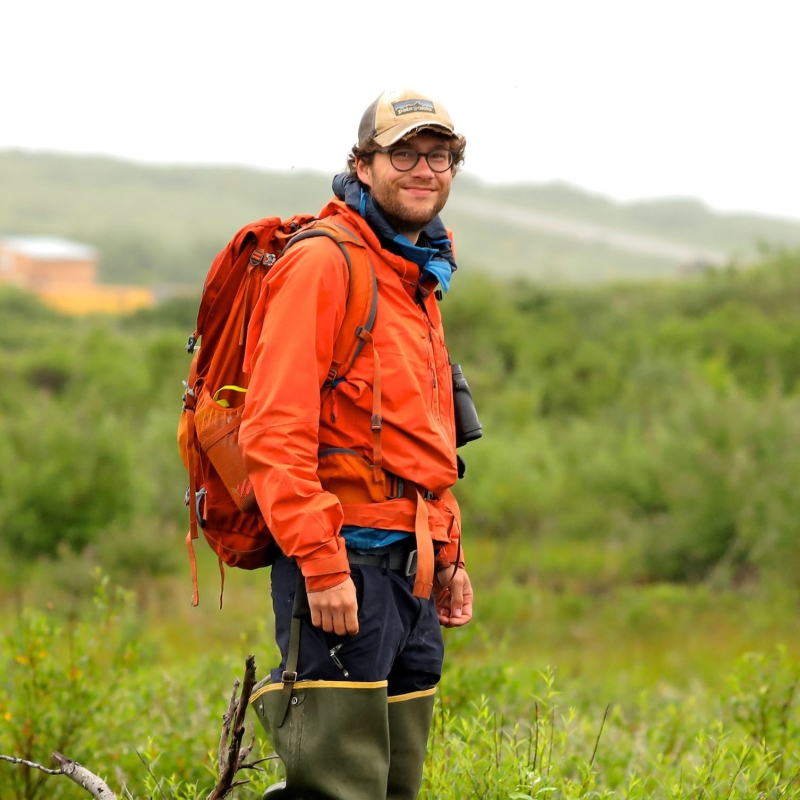
Sebastian Zavoico | Researcher Fellow
University of Alaska Fairbanks | Fairbanks, AK
From the Blog
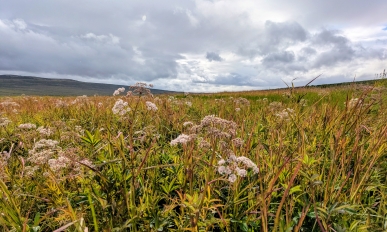
“How are you feeling?” “I feel ALIVE!” “Alive in a good way?” On my first day in the Alaskan tundra outside of Nome, Dr. Tom Glass and I drove up a crushed gravel highway towards new beaver ponds that Tom had identified via satellite imagery. We had both flown from Anchorage to Nome the day
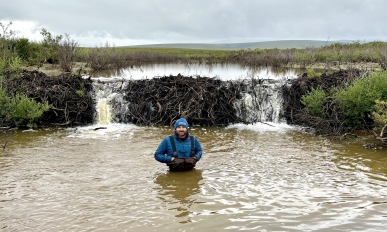
Before I left for the Alaskan Arctic this summer, I carried a quote from Octavia Butler with me: “All that you touch you change. All that you change changes you.” I thought I understood it. But standing for the first time on the tundra, under a sun that seemingly refused to set, I realized I



Made possible with funding by the U.S. National Science Foundation Award #2221990. The information contained here is those of the author(s) and does not necessarily reflect the views of the U.S. National Science Foundation.
Sign Up to Receive Updates
Receive regular updates to your inbox with the latest information about the Polar STEAM program.
Get Email Updates