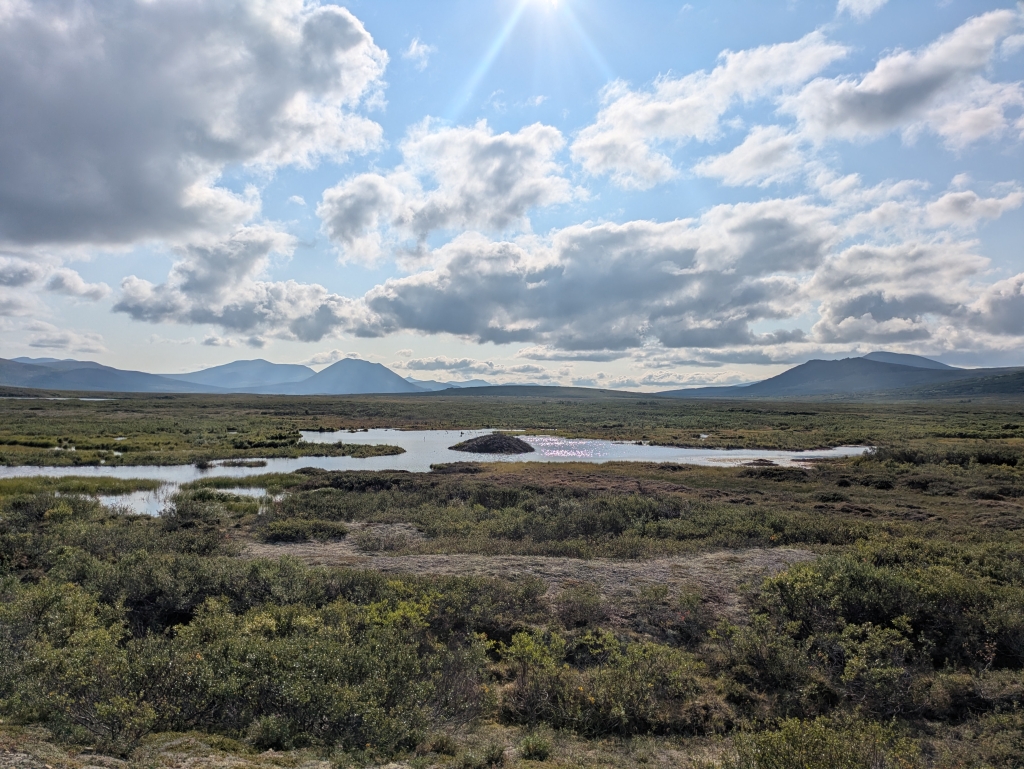

As I reflect on my field experience in the Arctic, the theme that resonates with me is connections. The human connections are probably the experiences that will linger in my mind the most. Dr. Tom Glass and I spent hours driving in the truck to remote sites, before the rest of the research team arrived. With lots of hours to fill, conversation meandered to our families, our siblings, childhood experiences, and our children. I see a Caterpillar tractor (very common with all the ongoing construction in the Nome area), and I think about Tom taking videos to send to his son. Caterpillar has a long history in my home town, Peoria Illinois; another connection.
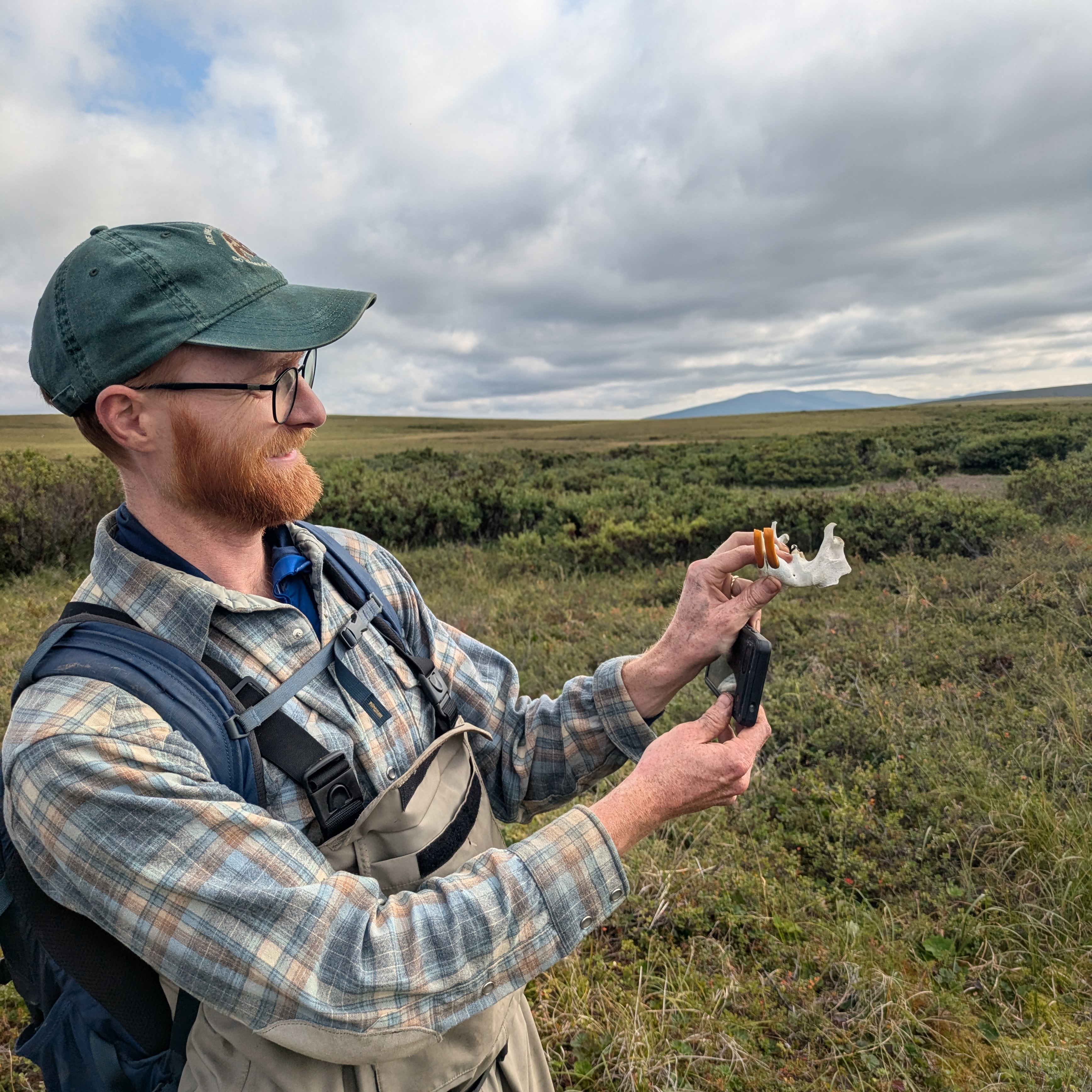
I remember back to PhD candidate Sebastian Zavoico’s easy smile and laugh, and how he caught me as I stumbled and began to roll into a beaver pond (the fourth such beaver pond dip I took on the trip). It was a week of intense bond building, as I lived alongside the team doing this field work. We are all connected.
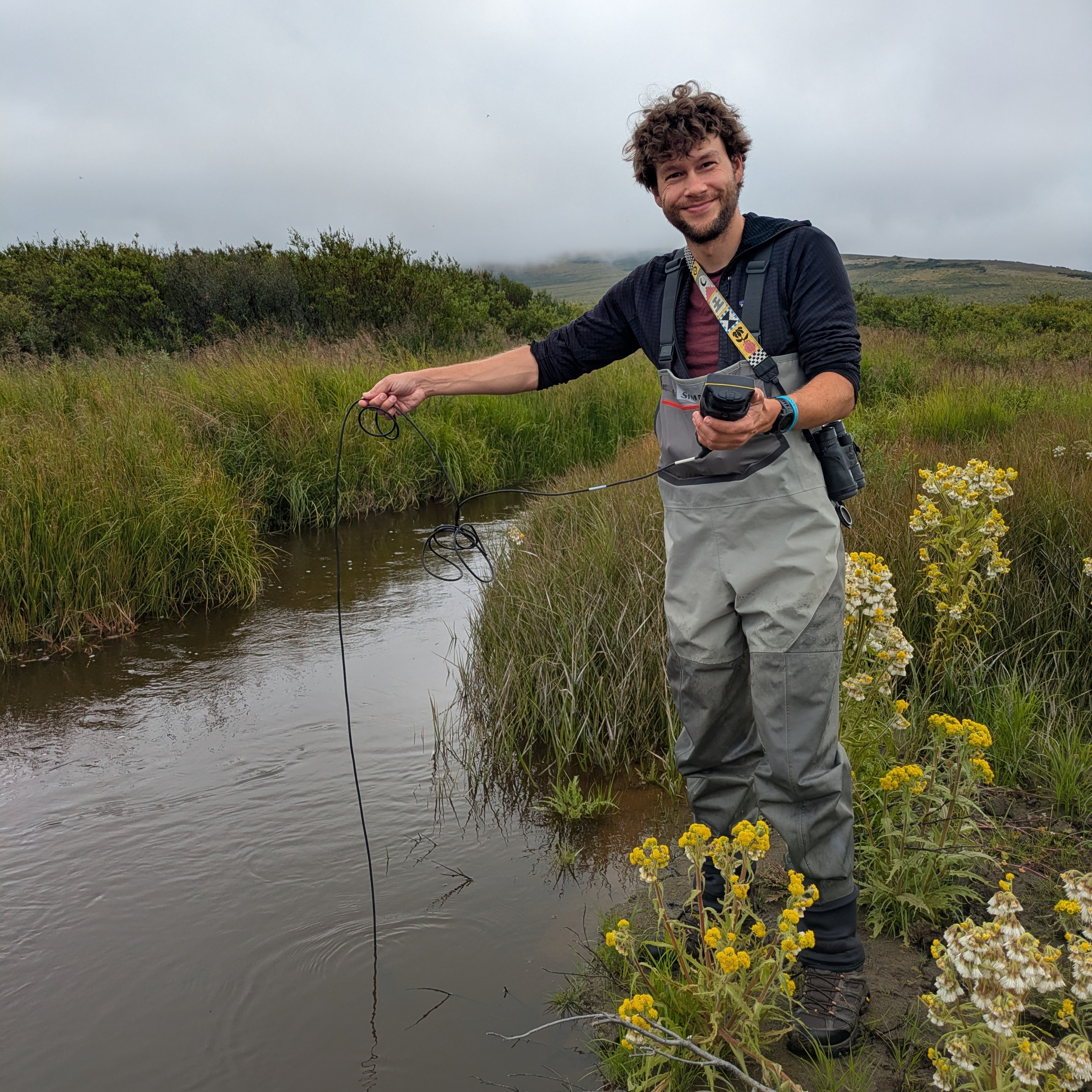
The theme of connections is deep regarding the ecosystem of the low tundra as well. On the last day of the field work, I had the great pleasure of getting to accompany Tom, Sebastian and Jett, a graduate student who was using a drone to map the field sites, on a helicopter ride out to several more beaver ponds that were in areas that could not be reached from roads. Something that constantly amazed me and I think is hard to convey about Alaska is the great lack of roads. The vast majority of the state does not have a road system connecting communities. There is just too much land and the conditions are too difficult to build the roads. To reach these remote sites, we took a series of short helicopter flights. Flying above the low mountains with the tundra below me was one of the most beautiful experiences I have ever had. While flying, we saw lots of wildlife, including moose, caribou, swans, and a bear.
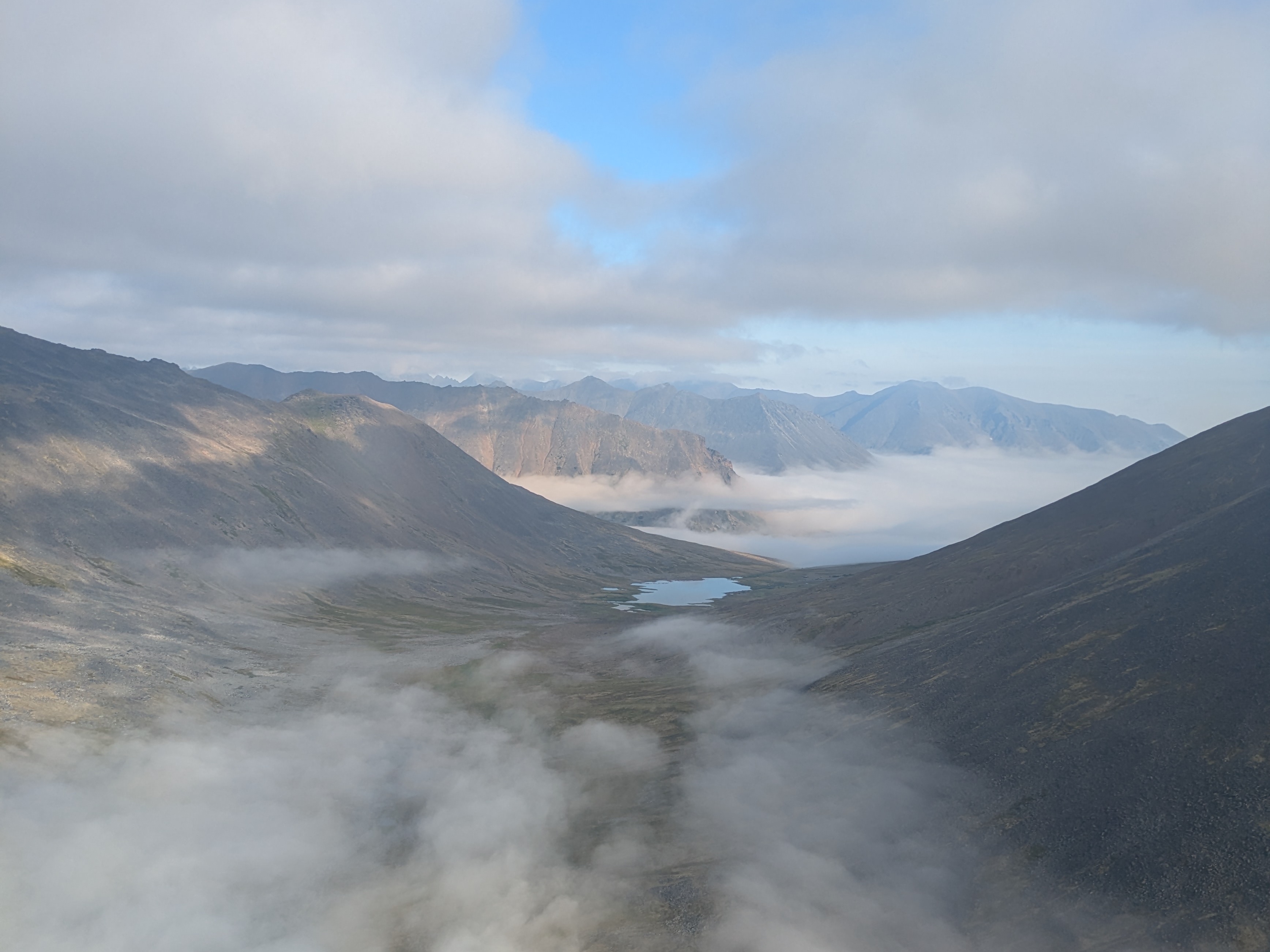
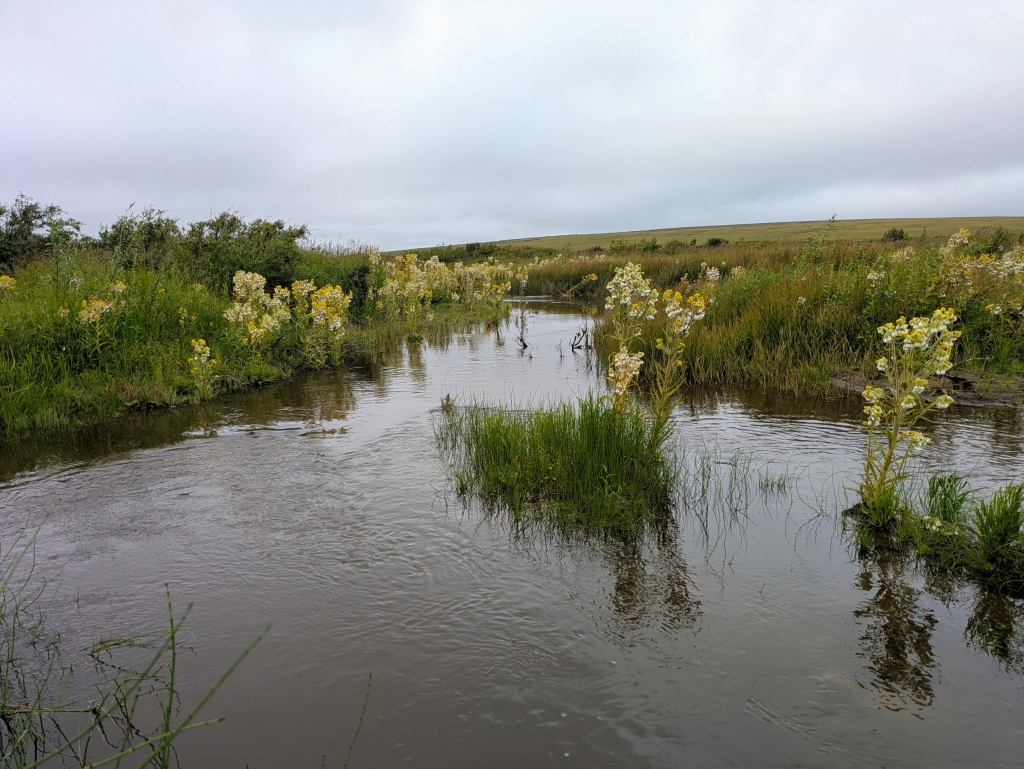
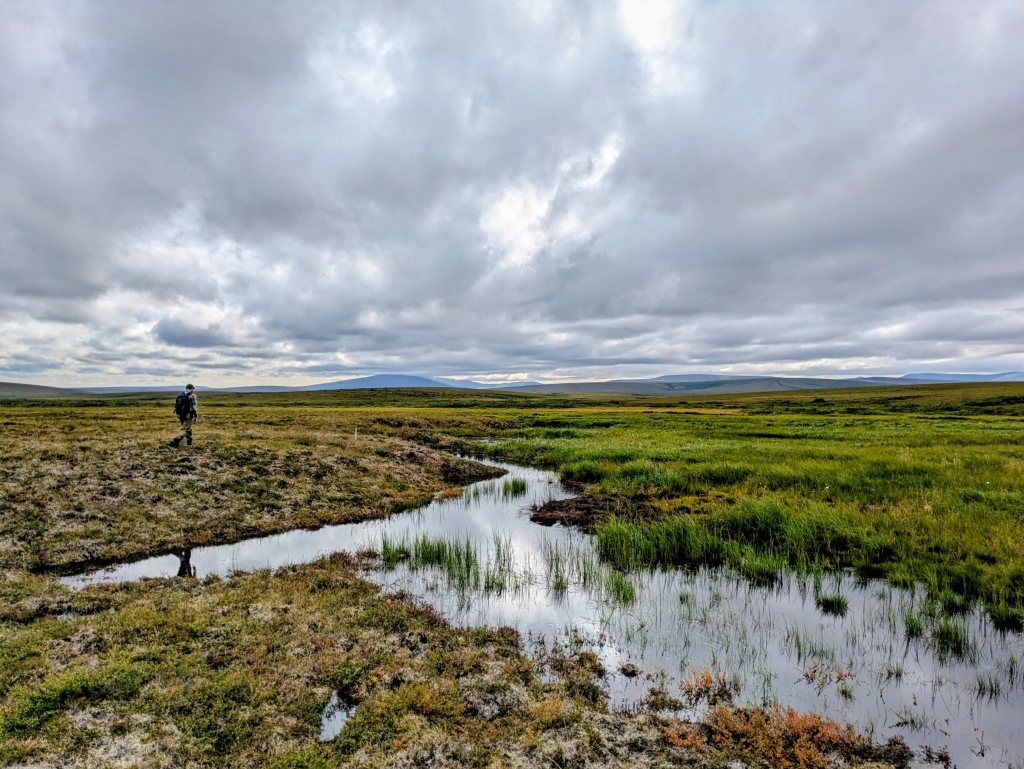
At the sites, we went about doing the work we had done the whole week, taking water quality measurements, collecting instruments, and measuring permafrost thaw. Sebastian kept exclaiming over how much the beaver pond and river had changed since he had been there the previous summer. The main dam had gotten larger, and two more small dams had been built. The river flow was notably different and wider. Based on the lodge appearance, it is likely the beaver colony had only been in that area for 20 years or less, and had already initiated a great deal of landscape change. They had slowed the flow of the water, creating some pools that don’t freeze even in the deepest winter. They had created habitat for birds and fish, but also changed the water quality. As we took permafrost thaw depth measurements, the nearer we reached the pond, the deeper we had to push the measurement device into the soil to reach the frozen ground. A few meters from the pond, the measurement bottomed out. Either the permafrost was so deep we couldn’t reach it, or it was all thawed. It is all connected – the beavers, the fish, the birds, the water, the lichen, the shrubs, and the permafrost.
While it can feel like the Arctic is a wild and remote world, disconnected from our life in the lower 48, we are all connected to the Arctic as well. The ice in the soil, permafrost, is still shaping that land, much like the glaciers of ice found elsewhere in Alaska today once shaped the place I live, Illinois. Glaciers once covered 85% of Illinois. When they finally retreated and melted about 13,000 years ago, they left behind a flattened landscape and rich deposits that became our fertile farmland. The permafrost present in the Arctic today holds a vast reserve of organic carbon. If the soil thaws, microbes will begin to eat that organic material, causing it to decay and release carbon dioxide and methane into the atmosphere, which in turn would have major consequences for Earth’s entire climate system, not just the landscape in the Arctic. We are all connected.
Polar Steam is a program funded by the National Science Foundation that places science educators in science research teams working in the arctic. It is organized by Oregon State University. Thank you to Polar Steam for supporting my learning adventure in Alaska with the A-BON team from UAF. I have left Alaska for today, but now I am connected. The land calls. I’ll be back!