

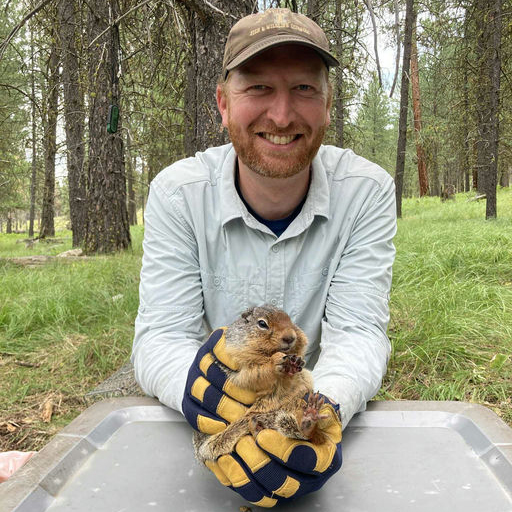
Austin’s interests within the fields of ecology and evolutionary biology are broad, ranging from individual physiology to community ecology. His dissertation research uses hibernating mammals as models to elucidate the eco-evolutionary drivers of individual life-history strategies. He previously completed a M.S. under Dr. Courtney Conway at the University of Idaho studying behavior and demography of the federally threatened northern Idaho ground squirrel.
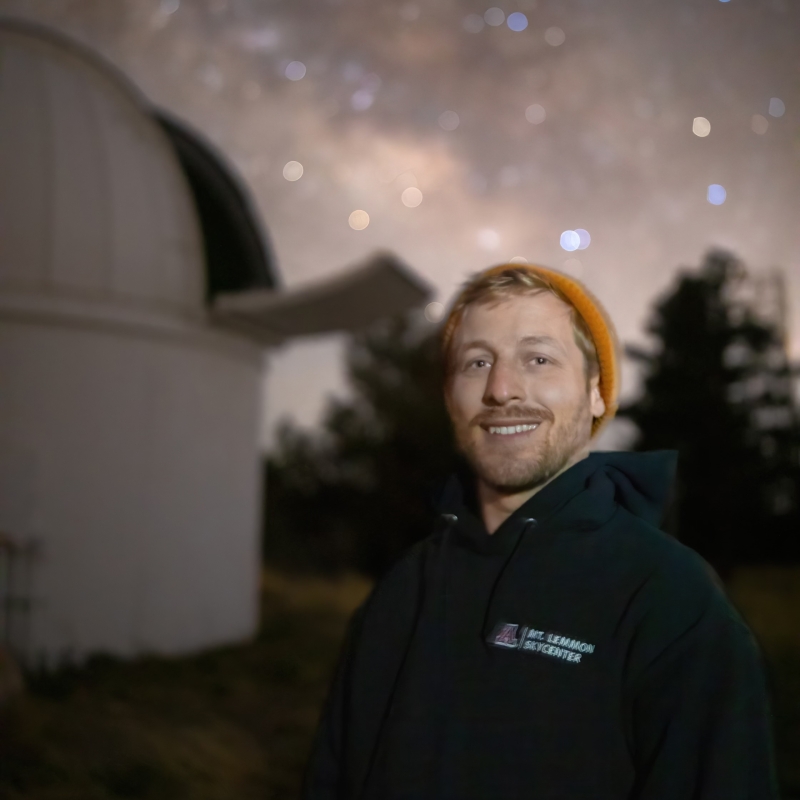
Dave is an experiential educator in the Sky Islands region of Southern Arizona. His programs welcome middle and high schoolers to Sky School’s observatory campus atop Mt Lemmon, near Tucson, where students engage in hands-on field research investigating Sky Island ecology and astronomy. Dave also mentors a team of University of Arizona PhD students as Sky School instructors in science communication. Dave enjoys playing ice hockey, mountain biking, and searching for water in the desert with his beloved pup, Sasha.
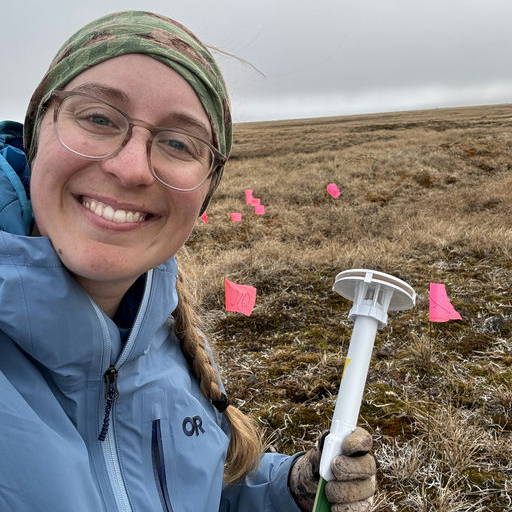
Katie’s research focuses on how climate change is altering the surface of the Arctic and, in turn, how those changing landscapes impact carbon cycling. She uses remote sensing to detect hot-spots of permafrost thaw, then visits those sites to collect field data on soils, plants, thaw properties, and carbon cycling. These data help identify risks of permafrost thaw across the Arctic Coastal Plain of Alaska, and aid in forecasting how the terrestrial Arctic will change as it continues warming.
Nancy is an environmental scientist and science communicator who works with middle school learners across classrooms and out-of-school programs. She supports both educators and young people in exploring science through hands-on, art-integrated experiences that center curiosity, creativity, and real-world connections. She specializes in translating complex Earth systems into engaging, accessible learning experiences and collaborates with educators across New York State through professional learning networks. She believes that science becomes powerful when students are invited to see themselves as part of it. She is especially interested in place-based science and using storytelling and creative making to help learners connect local experiences to global environmental systems.
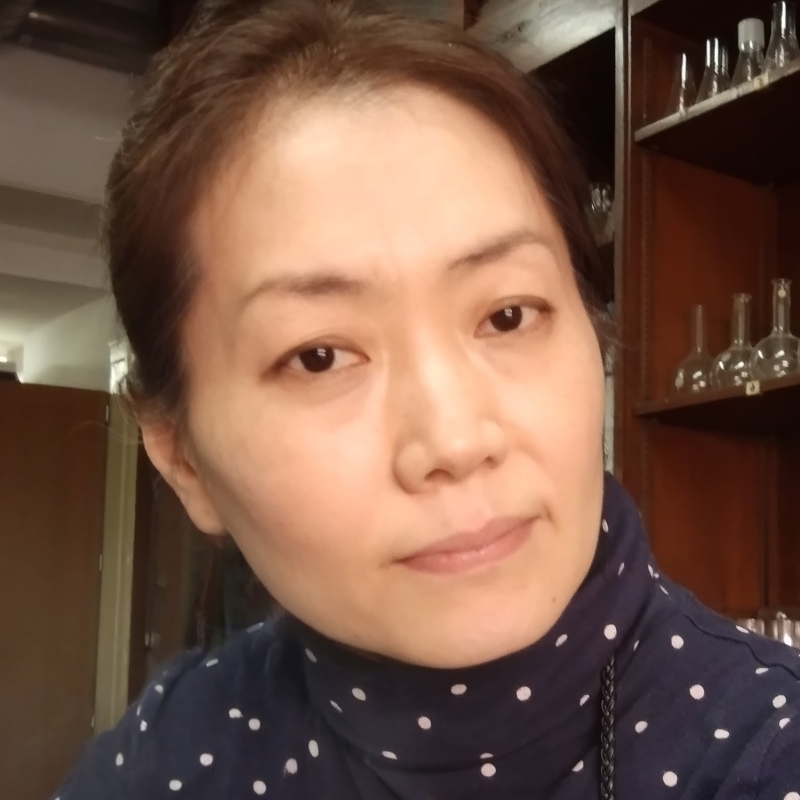
Chuhyon is a former neuroscience researcher who transitioned from academic research to secondary science education, designing student-driven investigations grounded in authentic research practices. Focus areas include experimental design, data analysis, and inquiry-based learning that supports deep engagement with science and the development of scientific literacy through evidence-based reasoning and informed decision-making. She is committed to expanding equitable access to research-based learning experiences and fostering scientific thinking beyond the classroom, particularly for students from underrepresented backgrounds.
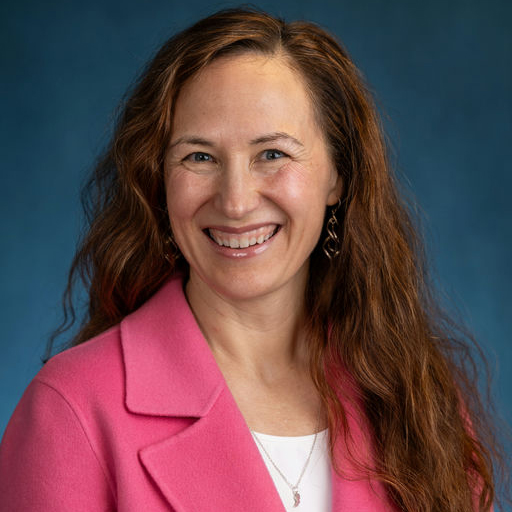
Rose M. Cory is a Professor of Earth and Environmental Science at the University of Michigan. She studies biogeochemistry along the land-water continuum in arctic and temperate biomes. Her research has focused on photochemistry and carbon cycling to understand processes controlling greenhouse gas emissions from soils, streams and lakes.
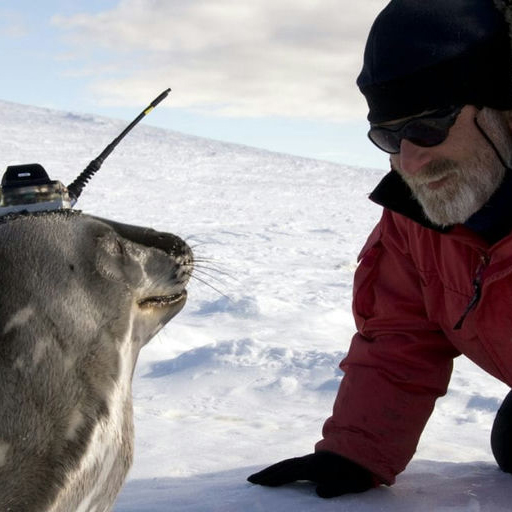
Dan has been studying marine predators for over 50 years and is interested in how animal work, how they manage to live where they live and why they do what they do. Dan’s research has included adaptations of animals to life in the marine environment, especially the movements, foraging ecology and energetics of pinnipeds and seabirds. Over the years Dan has worked with the US, British, New Zealand, French, and Australian national Antarctic programs.
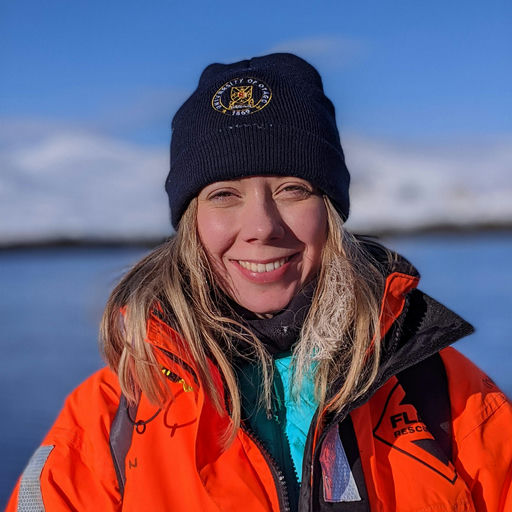
Joanna Davies is a paleoceanographer whose research focuses on understanding how sea ice in the Arctic responded to climate change in the past. Using lipids produced by algae living in sea ice that are deposited onto the ocean floor when the ice melts, we can reconstruct sea ice changes back thousands or even millions of years ago. Joanna has taken part in numerous research cruises to the Arctic, to collect marine sediment cores used for this paleoclimate reconstructions. Joanna’s current project focuses on understanding the role that sea ice played in freshening the oceans in the past, which can have broad impacts on our global climate.
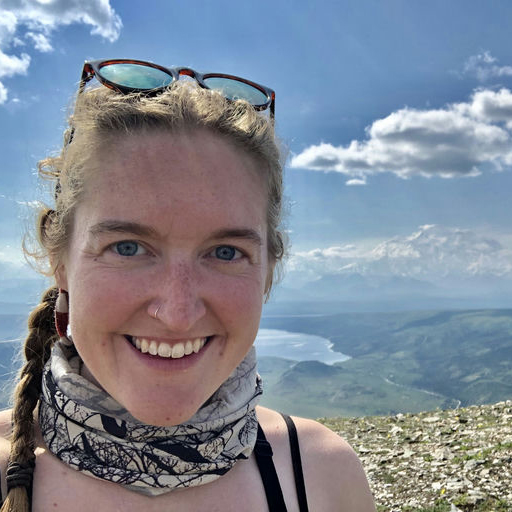
Bree researches human-animal relationships in North America as a researcher at the University of Wyoming. Her primary focus is on the traditional foodways of Alaska Natives in the Interior, particularly focusing on the history of fishing. Bree studies fishing through a combination of work with descendant communities, fatty acid residue analysis, and studying artifacts excavated from sites across the Tanana Valley, where she grew up. In her free time, Bree loves running, making delicious food for her family and friends, and hiking the trails of the Mountain West.
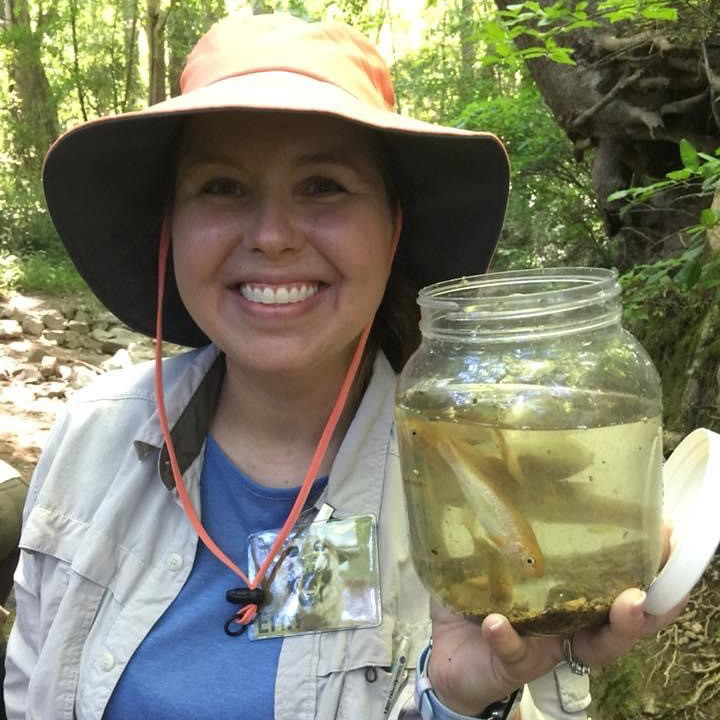
Stephanie is a high school science educator teaching chemistry, earth and space science, and AP Environmental science in southern NH. She has a passion for developing interdisciplinary curricular resources and hosts the Science with Steph podcast. Stephanie is active in the local community through educational outreach with the Boys and Girls Club and Girl Scouts, conducts historical research, and author of a book on the Islands of Southern Lake Winnipesaukee. She enjoys developing hands-on learning experiences, exploring New Hampshire’s natural landscapes, and exploring our National Parks in her off time.
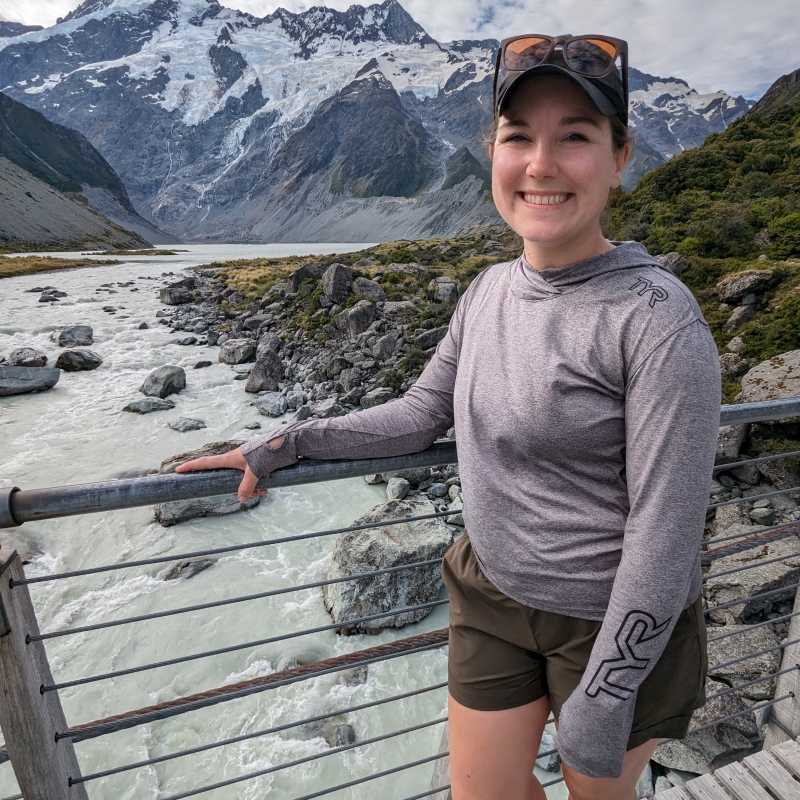
Kathleen is a high school Biology and Environmental Science teacher. She uses phenomenon based concepts to engage students in the scientific process and develops lessons to integrate student’s curiosities. Over the course of her career, Kathleen has discovered a passion for and personal interest in teaching about global climate change, infusing it into all classroom units. With over 10 years spent teaching, she is excited to gain first hand field experience to share with her students. In her free time she loves travel, hiking, cooking, reading, and roller skating.
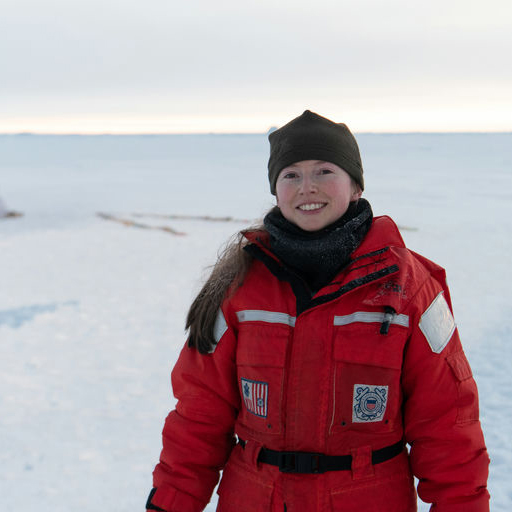
Clare is a postdoctoral researcher interested in the changing Arctic environment and its impact on marine ecosystems. She uses remote sensing with measurements of water and light collected during research cruises to study phytoplankton, the major source of energy supporting local ecosystems. Her current research focuses on how sea ice and water masses control phytoplankton communities and their growth cycles.
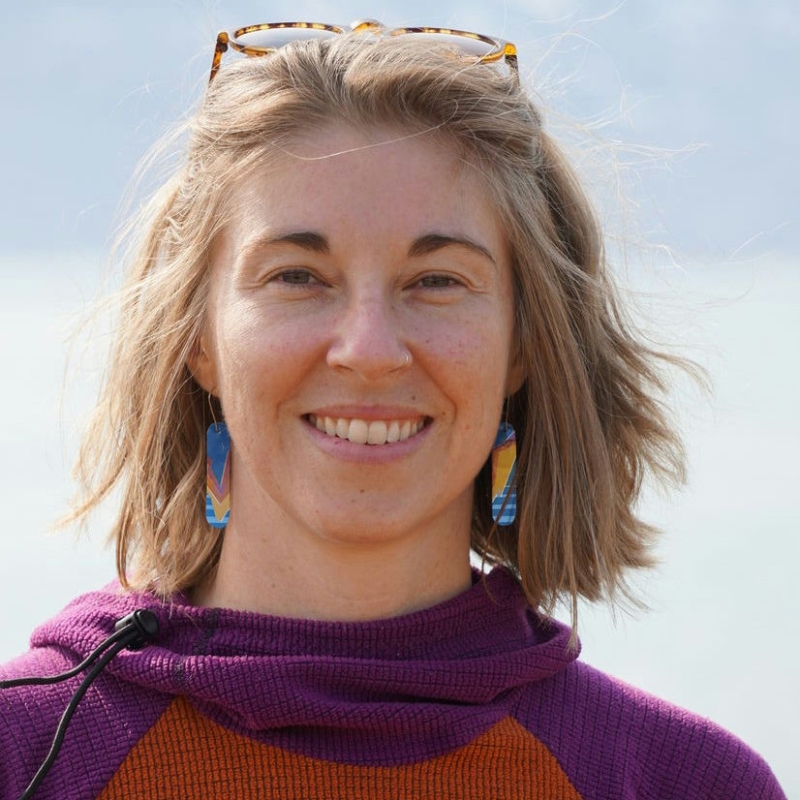
Amanda Gavin is a limnologist who focuses on freshwater lake response to environment change. Her research approaches emphasize community engagement and integration of knowledge sources. In South Greenland, Amanda’s research weaves contemporary and paleo-limnological techniques with Indigenous Knowledge towards a holistic understanding of carbon cycling and lake level in agricultural lake systems.
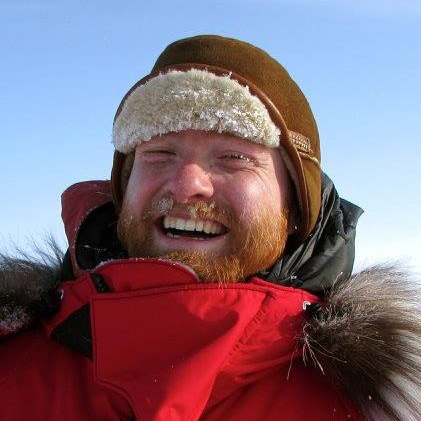
Tom is a postdoctoral researcher at the University of Alaska Fairbanks studying ecosystem change in the Arctic. He is particularly interested in interactions between animals and the cryosphere – how changing permafrost and snow affect wildlife, and how animals in turn alter permafrost and snow conditions. His current research focuses on beaver engineering in northwestern Alaska.
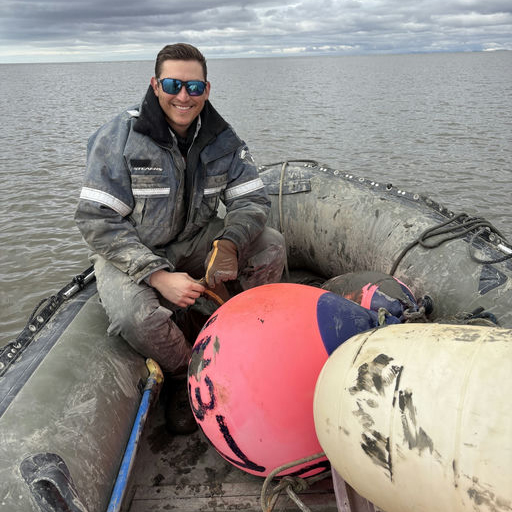
James is a PhD student in the Department of Fish, Wildlife, and Conservation Biology at Colorado State University. James is interested in population dynamics, demographics, and animal space use, with special interest in how these processes interact with one another and change through time. His current research investigates the demographic and population level consequences of differential migration and its associated carry-over effects on brant geese. In his free time, James enjoys fly fishing, hunting, hiking, and wildlife photography.
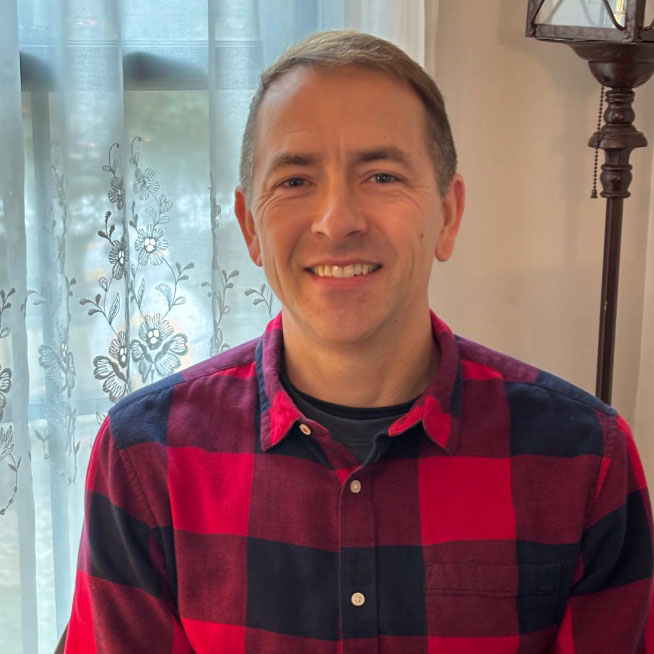
Jeff is a high school science teacher who prefers to be a nerd within the herd than a sage on stage. He attempts to make every moment of his classes engaged in labs and authentic learning experiences and is invested in developing resources for students to become better scientists. He has created over 200 pages of sketch notes, made countless YouTube videos, helped create rain gardens and research prairies, written labs, and loves making schoolwide science events (Mole Day and March Mammal Madness). When he isn’t reading science books and magazines, he is out exploring national parks with his adventurous wife and kids.
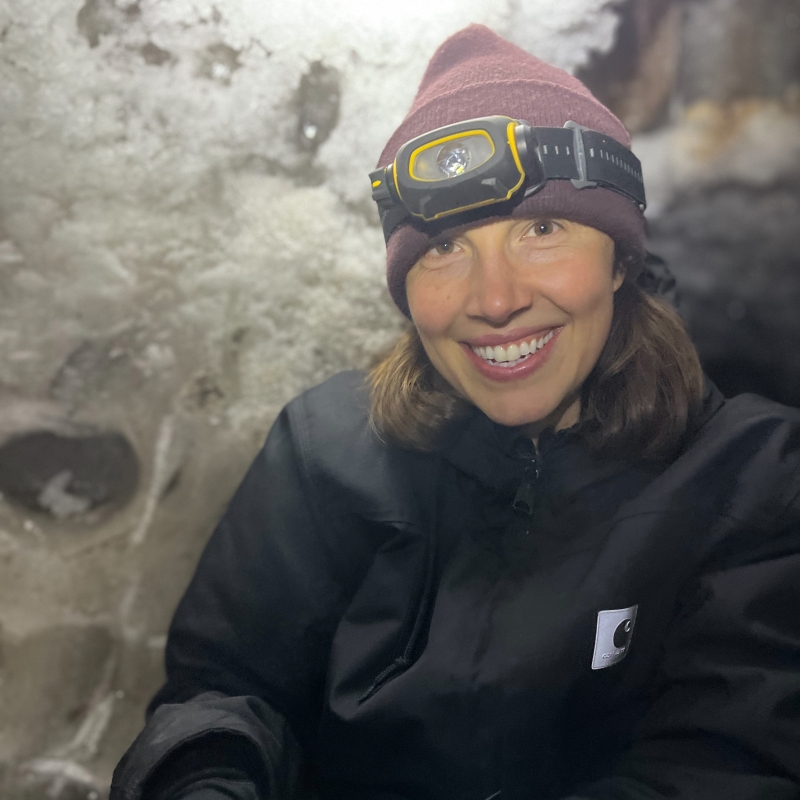
Julia is a groundwater hydrologist studying coastal groundwater dynamics along temperate and Arctic coastlines. Her research incorporates field campaigns and uses numerical models to better understand the two-way interactions between groundwater and the ocean. Julia is particularly interested in how sea-level rise, extreme weather events, and permafrost thaw impact the health and function of coastal ecosystems.
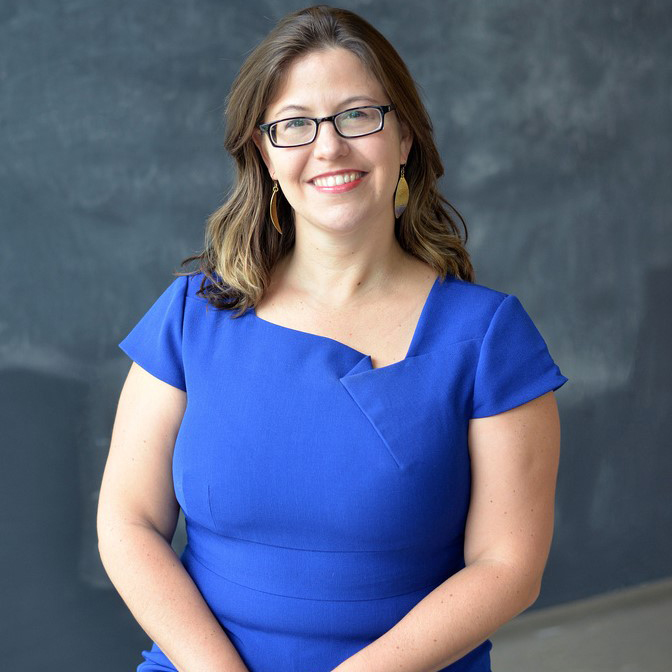
Tawny Holmes Hlibok is a Deaf education attorney, policy leader, and tenured Associate Professor of Deaf Studies at Gallaudet University focused on advancing Deaf-centered education, language policy, and civil rights. She has led national initiatives across early intervention, K–12, higher education, and workforce systems, including a federally funded early hearing detection and intervention program and White House–level policy work. Tawny is particularly committed to strengthening sign language ecosystems and building Deaf leadership—ensuring Deaf people are positioned not at the margins, but at the center of decision-making and systemic change.
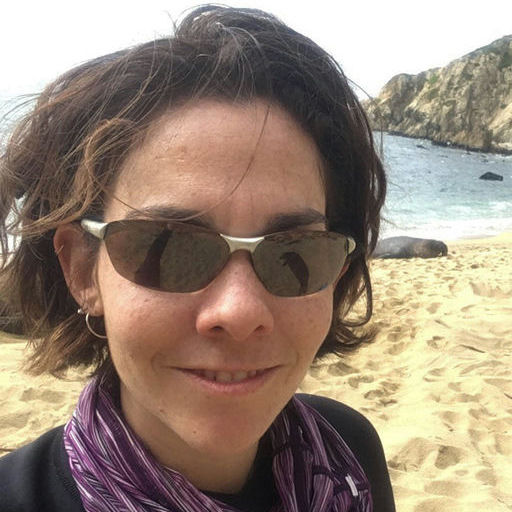
Rachel studies the behavior and ecology of marine mammals and how they relate to oceanographic processes. Rachel has a mixed academic background, having studied both chemical oceanography and ecology and evolutionary biology, and enjoys working at the interface of those two fields. Some of Rachel’s recent work includes: characterizing a major marine heatwave in the North Pacific and its effects on the reproduction and foraging ecology of the northern elephant seal; niche partitioning and foraging behavior of Weddell seals and penguins in the Ross Sea; and the movement and behavior of California sea lions in response to predators and human disturbance.
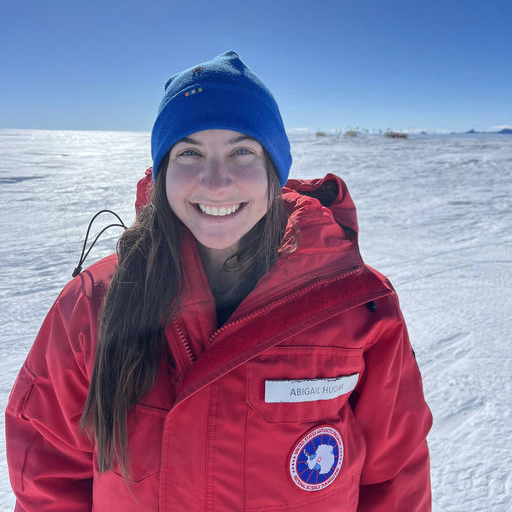
Abby is a paleoclimatologist interested in understanding climate dynamics in time periods that were warmer than today. She uses ice cores from the Allan Hills, East Antarctica–home to the oldest ice ever found on Earth–to uncover aspects of the climate over the past several million years. This old ice has many peculiarities, and some of her work aims to better decipher the climate archive within this ancient ice using geochemical techniques. By using high-resolution measurements of methane, water isotopes, and dust, the fidelity of the climate archive at the Allan Hills can be better interpreted and help researchers understand the ice core record that is now being extended millions of years into the past.
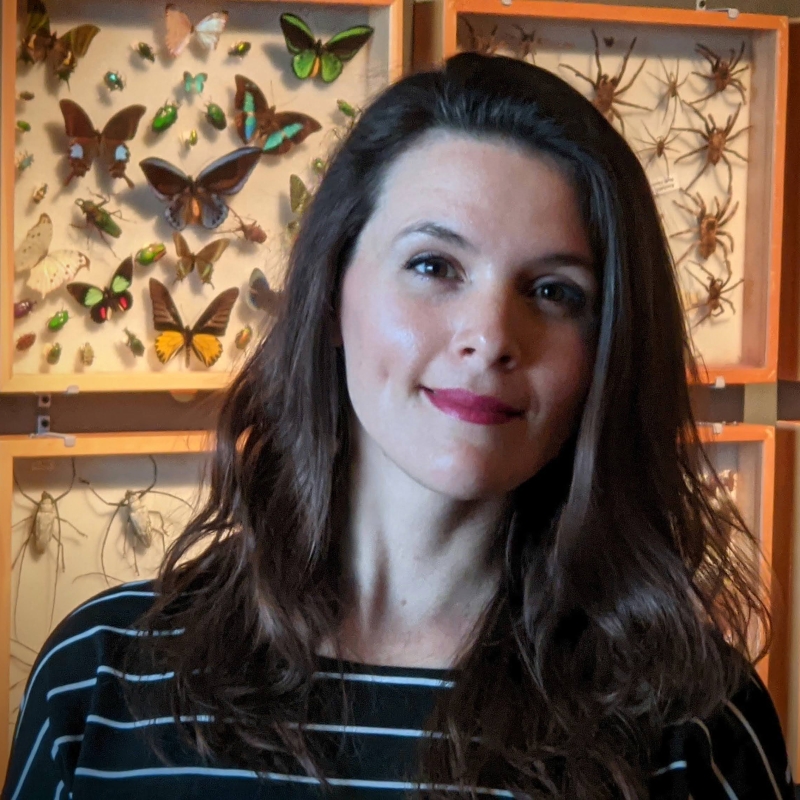
Renae Kerrigan serves as the Curator of Science and Planetarium Director for the Peoria Riverfront Museum. A well-known science educator in the Peoria area, Renae creates science themed exhibitions, live planetarium presentations, and makes frequent appearances on local media outlets. She is passionate about encouraging an interest and enthusiasm for science in folks of all ages.
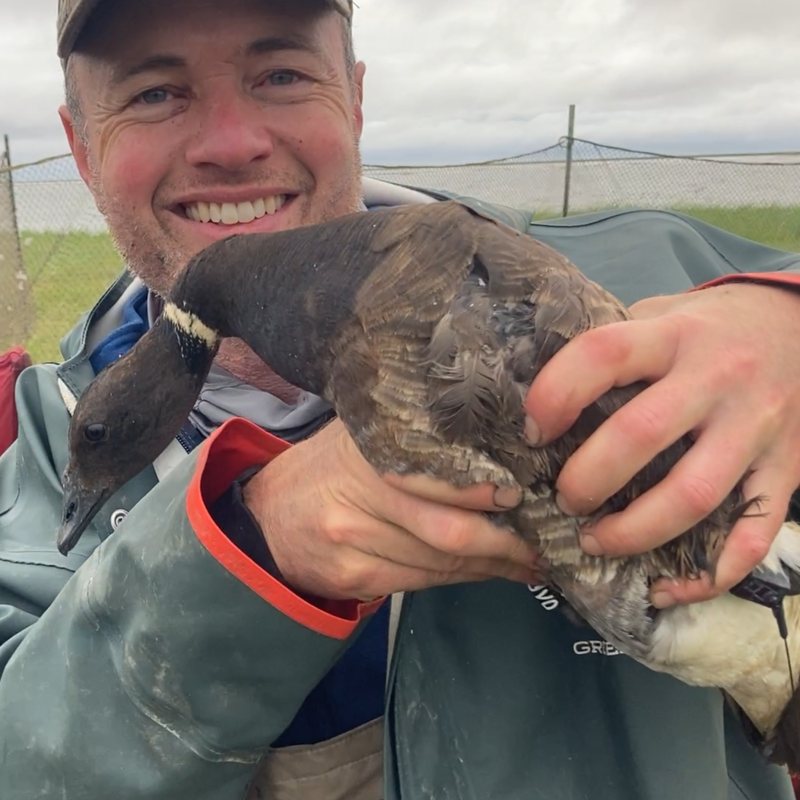
Dave is a professor of population ecology that studies the demography, population dynamics, trophic dynamics, and life history evolution of vertebrates in changing environments. Recent interests include studies of the trade-offs and fitness consequences of differential migration strategies in Arctic geese amidst climate change. On a daily basis he enjoys mentoring graduate students and teaching quantitative ecology to young learners.
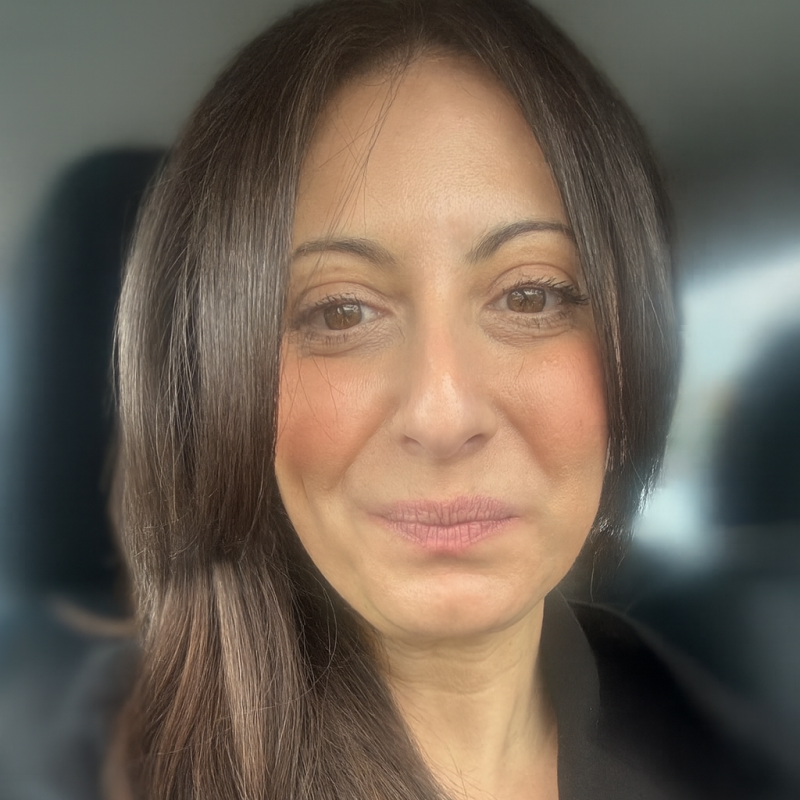
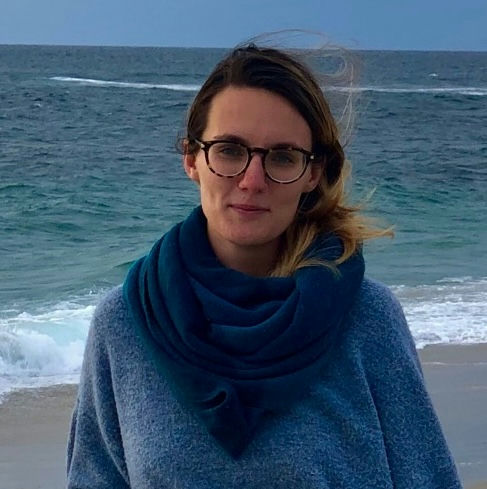
Margaret is a physical oceanographer studying ice-ocean interactions across scales from the subpolar North Atlantic to Greenland’s glacial fjords. She uses observations from ship-based and moored instruments to understand exchanges of heat and freshwater in the ocean around East Greenland. These dynamics are crucial to the large-scale ocean circulation and climate as well as to sustaining vibrant ecosystems that are central to local communities.
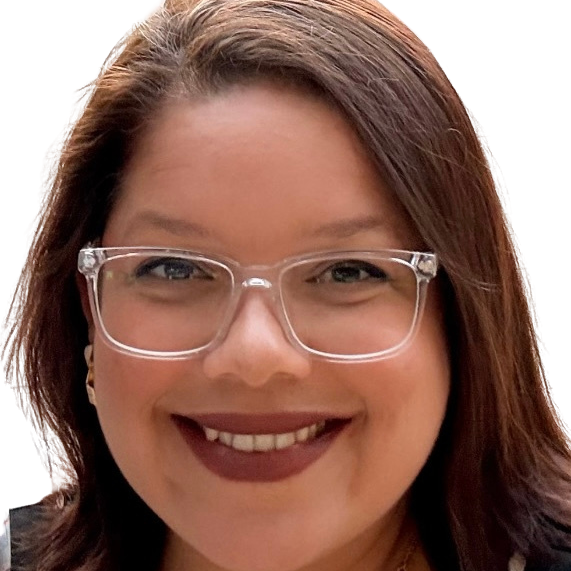
Karla currently serve as Associate Vice President of Programs at Girls Inc. of Tarrant County, where she leads STEAM initiatives designed to empower girls through experiential learning and career exploration. Her work focuses on integrating science education with real-world applications, fostering curiosity, and building confidence in underrepresented students. With a background in neurobiology and psychiatry, she brings a unique perspective to STEAM education that emphasizes critical thinking and resilience.
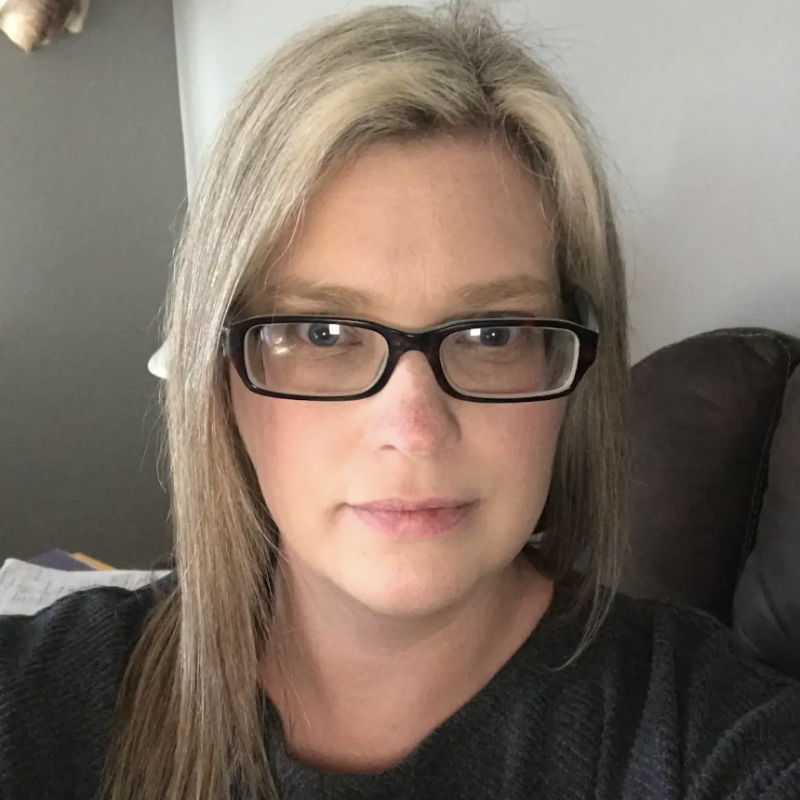
As an educator, Annie supports student learning in chemistry, biology, and Earth science by centering curiosity, questioning, and hands-on exploration. Her teaching encourages students to investigate real-world phenomena, analyze data, and make connections between chemical, biological, and Earth systems. She aims to create learning experiences that empower students to see themselves as scientists and critical thinkers. Through Polar STEAM, she looks forward to bringing authentic polar research into the classroom to inspire deeper student engagement with our changing planet.
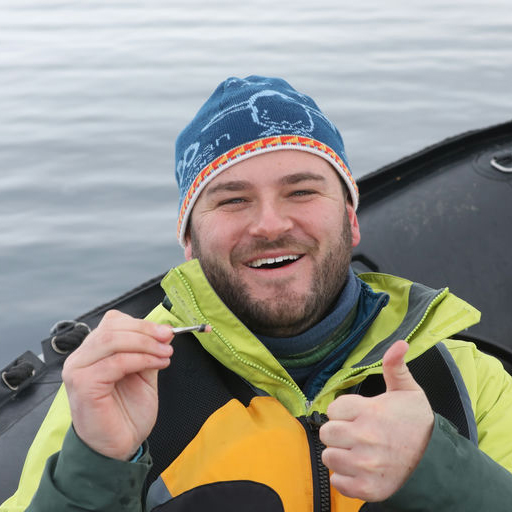
Logan is an ecophysiologist with a primary interest in understanding how marine megafauna populations alter their physiology and demography as a response to changes in their environment. To address these questions, Logan collects minimally invasive tissue samples (e.g., blood/skin) and then uses molecular and endocrinological markers to answer specific questions about population health and reproduction/stress physiology. He works on multiple species of large marine megafauna worldwide and continuously advocates for ethical animal research and effective conservation and policy. Much of Logan’s work to date has been focused along the Antarctic Peninsula, the South/Central Pacific, and the coast of California.
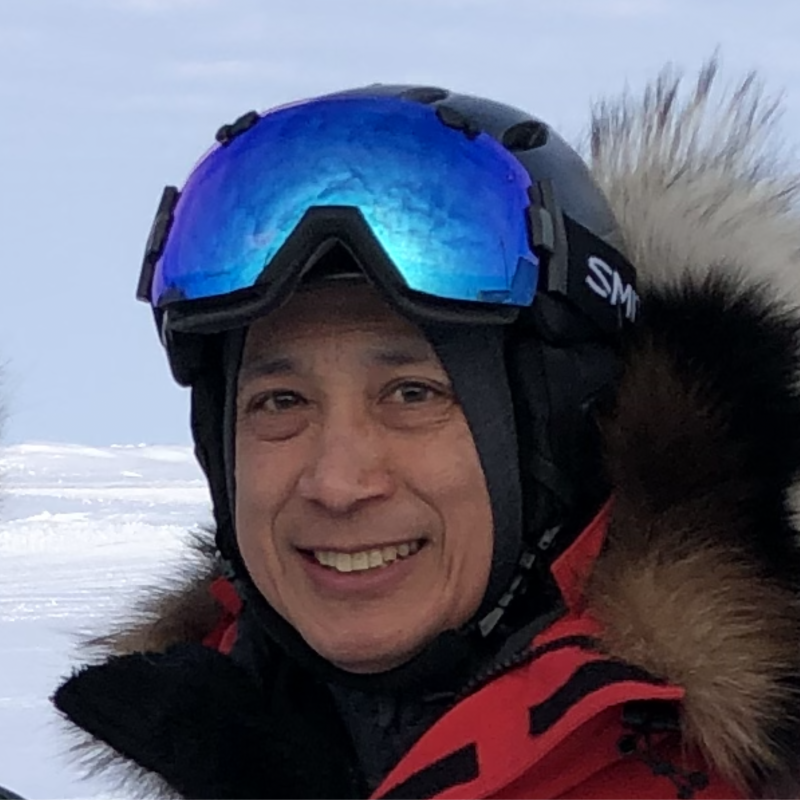
Ignatius is a climatologist at the Polar Science Center, Applied Physics Laboratory, and an affiliate associate professor in the School of Oceanography at the University of Washington in Seattle. Dr. Rigor studies sea ice, and how it interacts with the atmosphere and ocean. His primary tools for research are observations from drifting buoys and satellites.
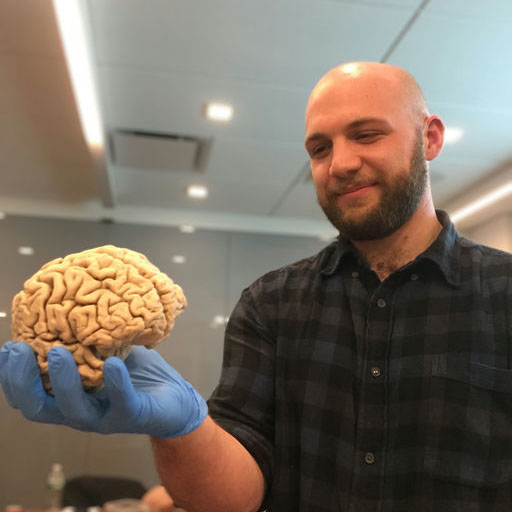
Pete is a middle school science teacher in New York City who has a passion for creating interdisciplinary projects connecting students’ lived experiences to environmental justice issues. He believes students need to see themselves as scientists and works to make that happen through community partnerships, original research, and student-centered inquiry. When he’s not in the classroom, he’s camping, metalsmithing, or cooking and playing games with his wife and dog.
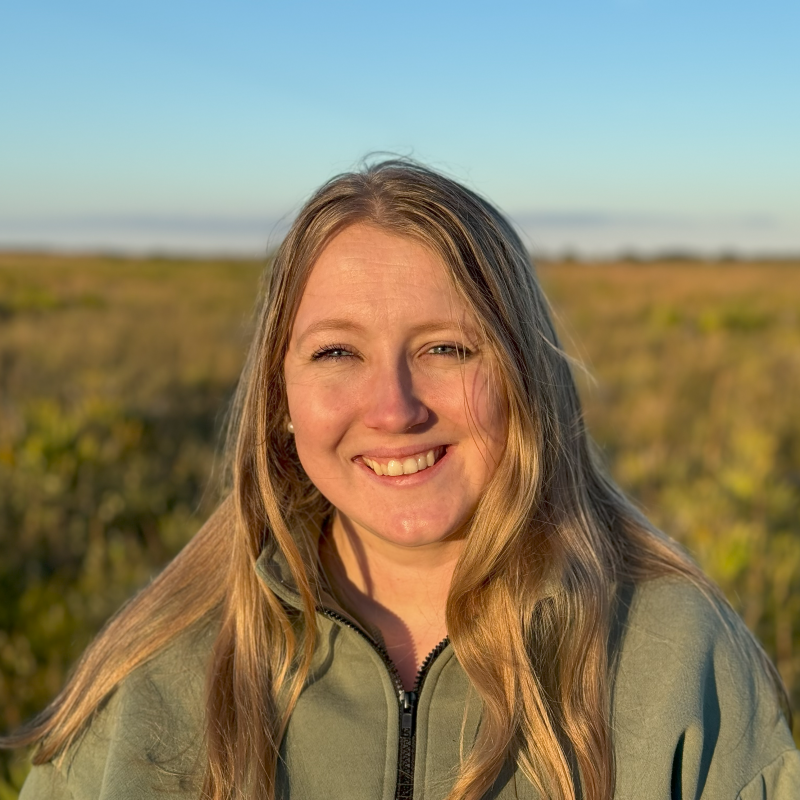
Lacey is a high school science educator who focuses on hands-on, inquiry-based learning to help students make sense of real-world environmental issues. She teaches environmental science and engineering courses where students work with data, design solutions, and explore how human and natural systems are connected. She is especially interested in using authentic climate and polar science to build student curiosity, scientific literacy, and a sense of responsibility for our changing planet.
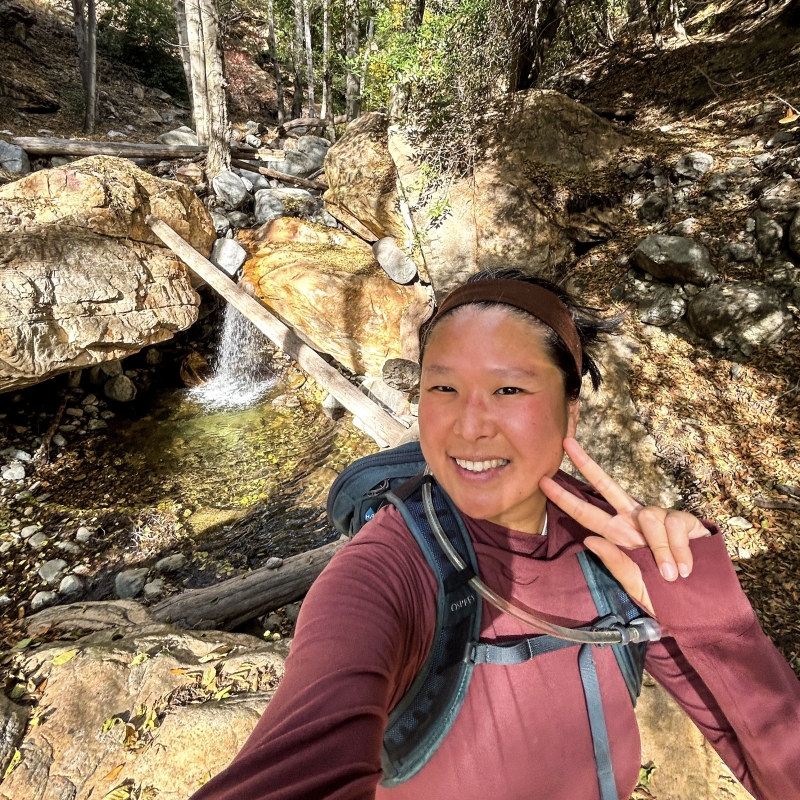
Gail Tang is a Professor of Mathematics with a deep commitment to exploring the intersections of mathematics with the arts and sciences. Her work aims to cultivate a richer understanding of mathematics through its current and historical applications, fostering a dynamic, interdisciplinary approach in the classroom. Her research centers on nurturing students’ mathematical creativity and advancing faculty development to promote humanistic teaching and research experiences. Outside of academia, Gail takes comfort in growing and preserving her own food, familiarizing herself with the land through hikes, and delving into the cultural connections embedded in global food history.
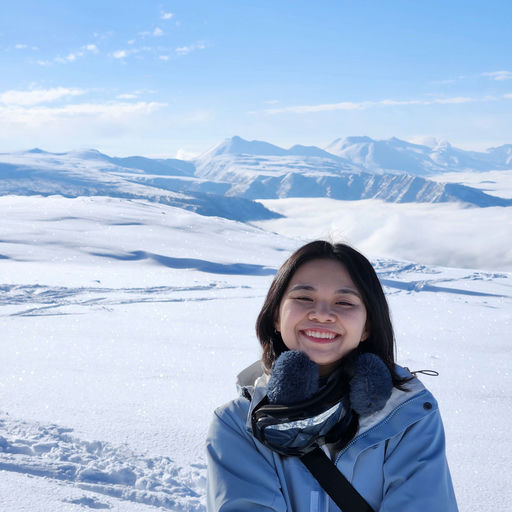
Kiera is a PhD student who studies ice–ocean interactions and basal melting processes in Antarctica. Her project focuses on using airborne radar sounding to characterize subglacial channels beneath Antarctic ice shelves and assess their role in freshwater transport to the Southern Ocean. This work combines geophysical data analysis with numerical modeling to better understand ice sheet stability and future sea level rise. Outside of science, she enjoys traveling, exploring new cultures, and learning new aspects of life.
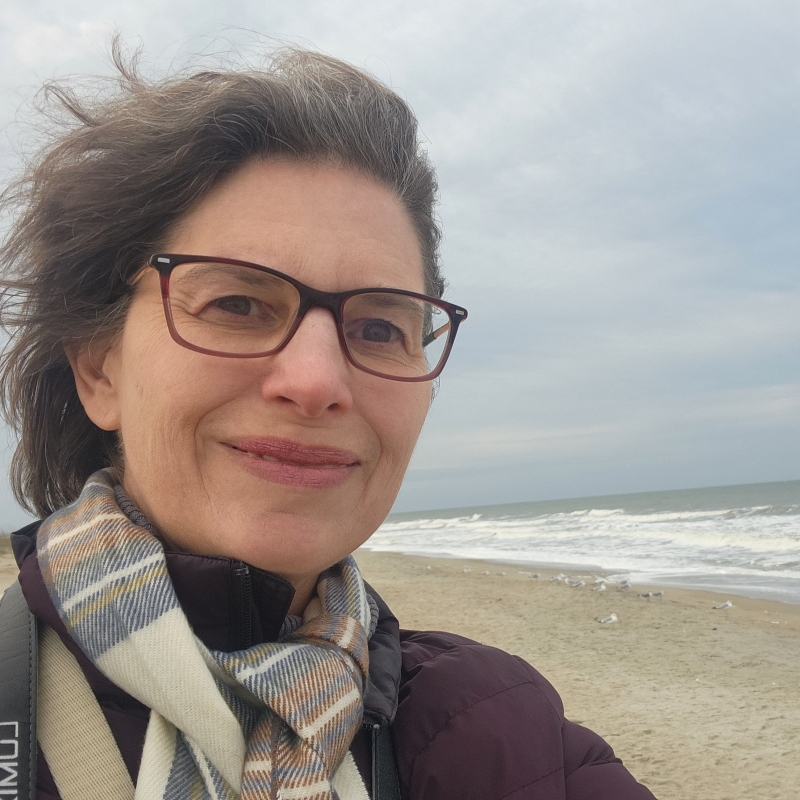
Kathy currently serves K–8 students in North Carolina by providing a portal to the wider world through artistic literacy. With 17 years of experience in art education, she empowers her students to transcend geographical boundaries by connecting them with international artists-in-residence via Zoom and in person. By highlighting the intersections of science and art, Kathy creates an equitable STEAM environment that inspires deep, transformative learning. Whether trekking the globe or photographing from her kayak on Lake Waccamaw, Kathy draws on her personal adventures to bring global perspectives and the splendor of the natural world directly to her students.
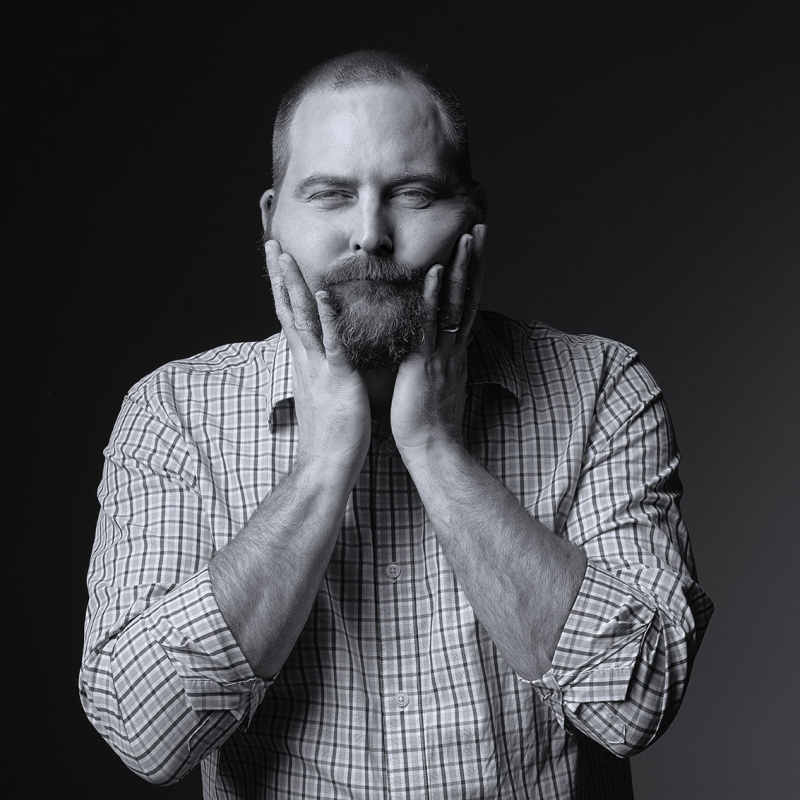
Tom Turner is a lens-based artist and educator based in Anchorage, Alaska. He teaches Photography, Digital Art, and Journalism at Bartlett High School, where he also advises the yearbook and emphasizes visual storytelling as a form of inquiry. His artistic practice explores landscape, time, and perception, often focusing on places shaped by environmental change. Through Polar STEAM, he is interested in bridging art and science to help students and communities better understand polar landscapes and the forces transforming them.
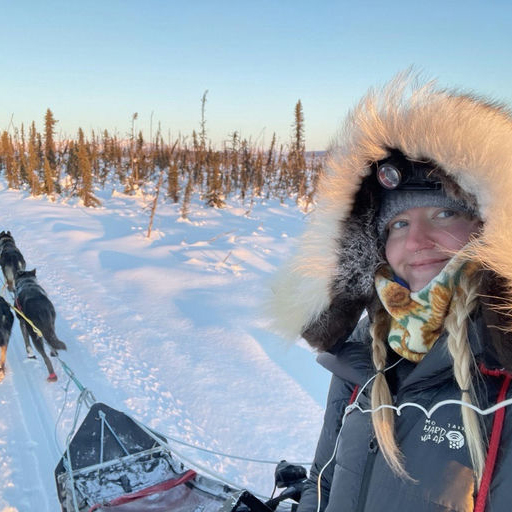
Abbey is a field ecologist with the National Ecological Observatory Network (NEON) in Domain 18/19 (Tundra/Taiga). Her role is training and leading crews of early-career biological field technicians to collect high quality ecological data focused on NEON’s flora field sampling protocols. Outside of work, Abbey spends most of her time training and racing her team of distance sled dogs.
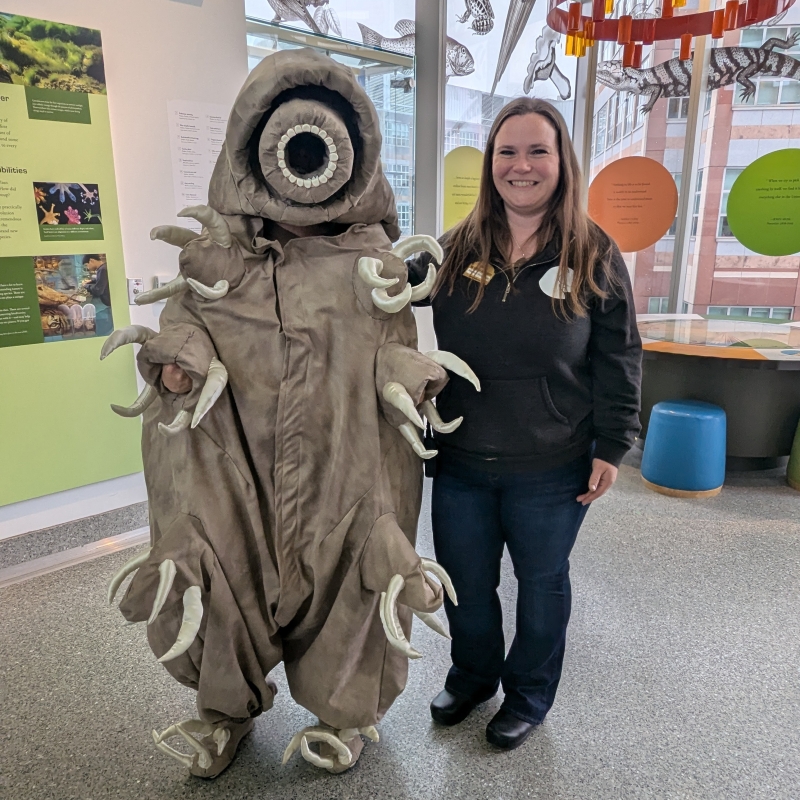
Heather is a museum educator and science outreach specialist. She is passionate about creating and curating impactful inquiry-driven science experiences for her community. She is excited by the change she sees in students who learn science through the context of real-world problems, real scientists, real research, and hands-on museum specimens. She is a skilled science communicator and former secondary science teacher who believes in making research accessible to everyone.
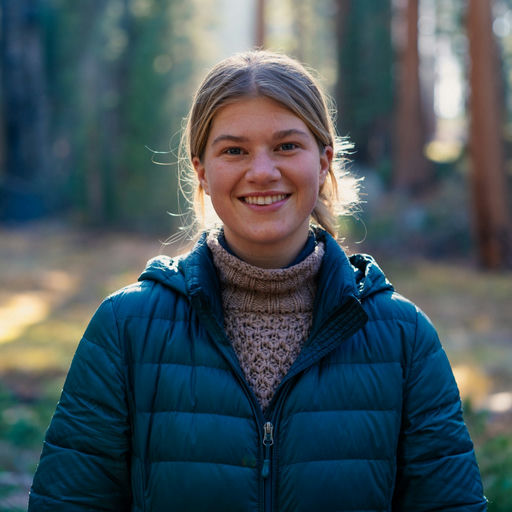
Julia is interested in how a warming Arctic is affecting the carbon cycle, with a focus on methane dynamics from permafrost thaw. Specifically, she studies upland tundra to understand how these landscapes act as methane sources or sinks. Her research investigates both the spatial and temporal variability of methane fluxes and the role of old permafrost carbon in contributing to methane emissions.
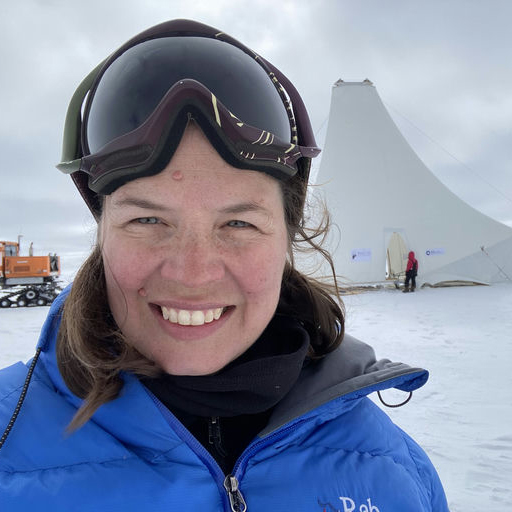
Stephanie Wissel is an experimental astroparticle physicist who searches for subatomic particles known as neutrinos when they interact with ice. She is interested in using neutrinos to explore extreme astrophysical environments. She has been working on experiments in both Greenland and Antarctica since 2012.
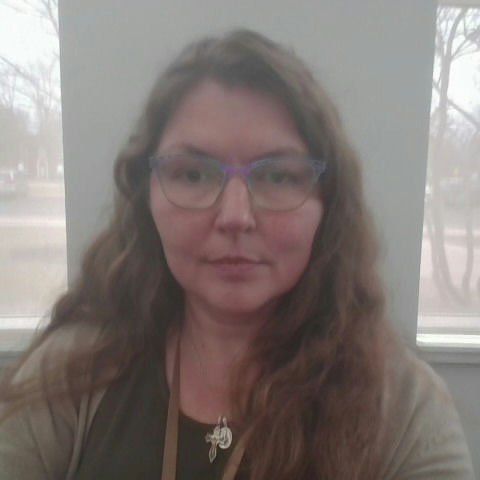
Julie teaches General Physics and AP Physics 1 and 2 with a focus on building a genuine love for research and hands-on experimentation. By encouraging students to design their own projects, she empower them to actively explore their world through a scientific lens. She also co-sponsor the Science Research Club, where students produce original work, are connected with mentor professors, and guided through the research process, from formulation of the initial question to a final presentation.
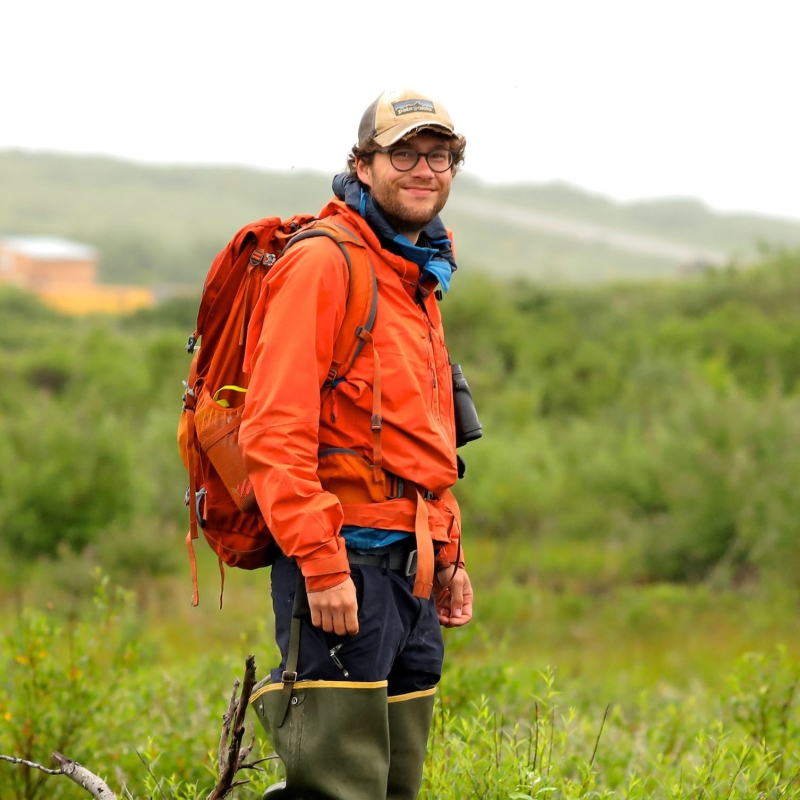
Sebastian is an ecologist focused on arctic community ecology. He is currently working on his PhD, studying the biodiversity impacts of beaver ponds – which are rapidly expanding in number across the Arctic – in arctic areas underlain by permafrost. Sebastian harbors a love and enthusiasm about the tundra and the mountains, and is passionate about sharing knowledge of the unique, beautiful arctic ecosystem.

Made possible with funding by the U.S. National Science Foundation Award #2221990. The information contained here is those of the author(s) and does not necessarily reflect the views of the U.S. National Science Foundation.