
Before traveling to the Alaskan Arctic, I expected to learn about carbon cycling, aquatic ecosystems, and cutting edge ecological research.
I did not expect to learn how to listen to the Earth.
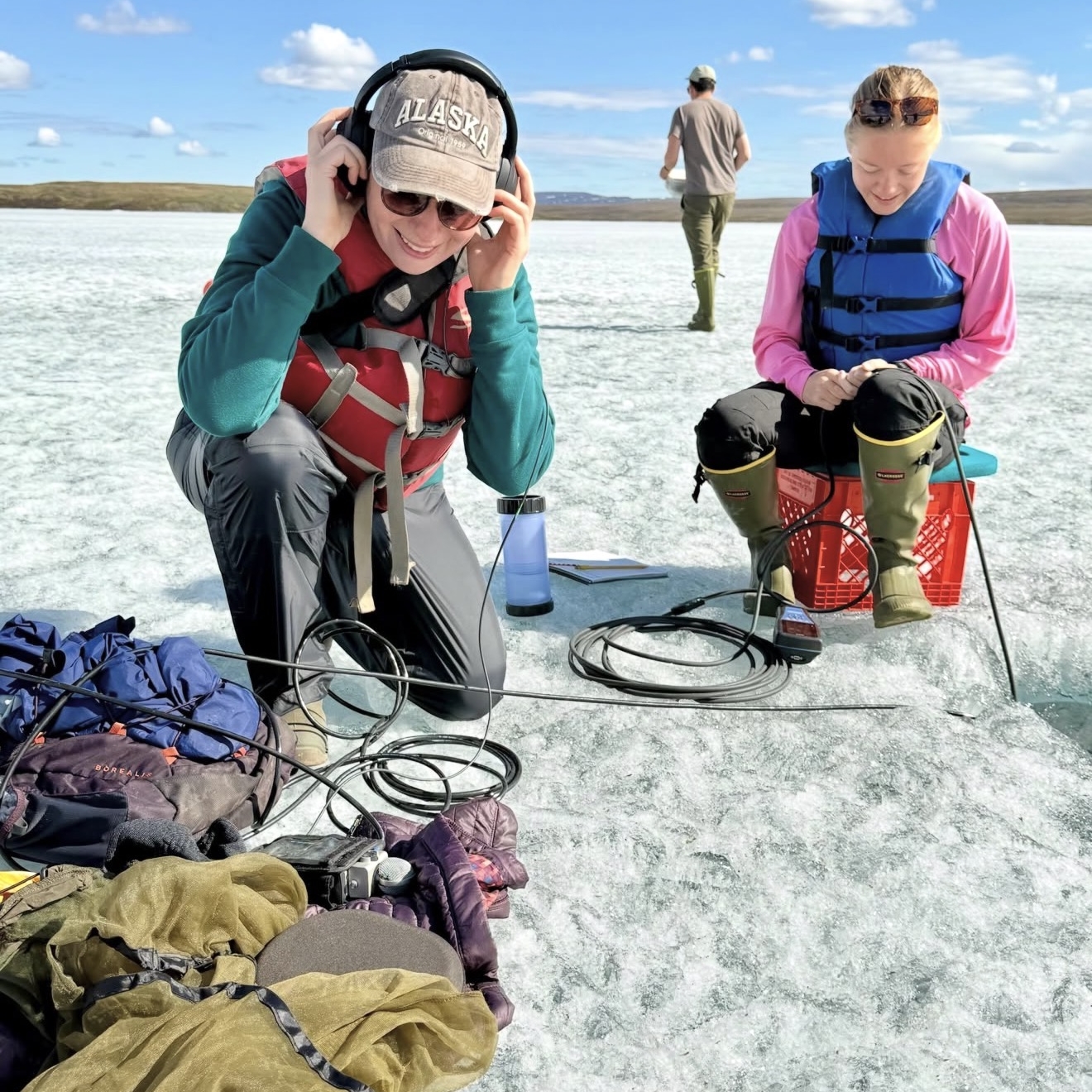
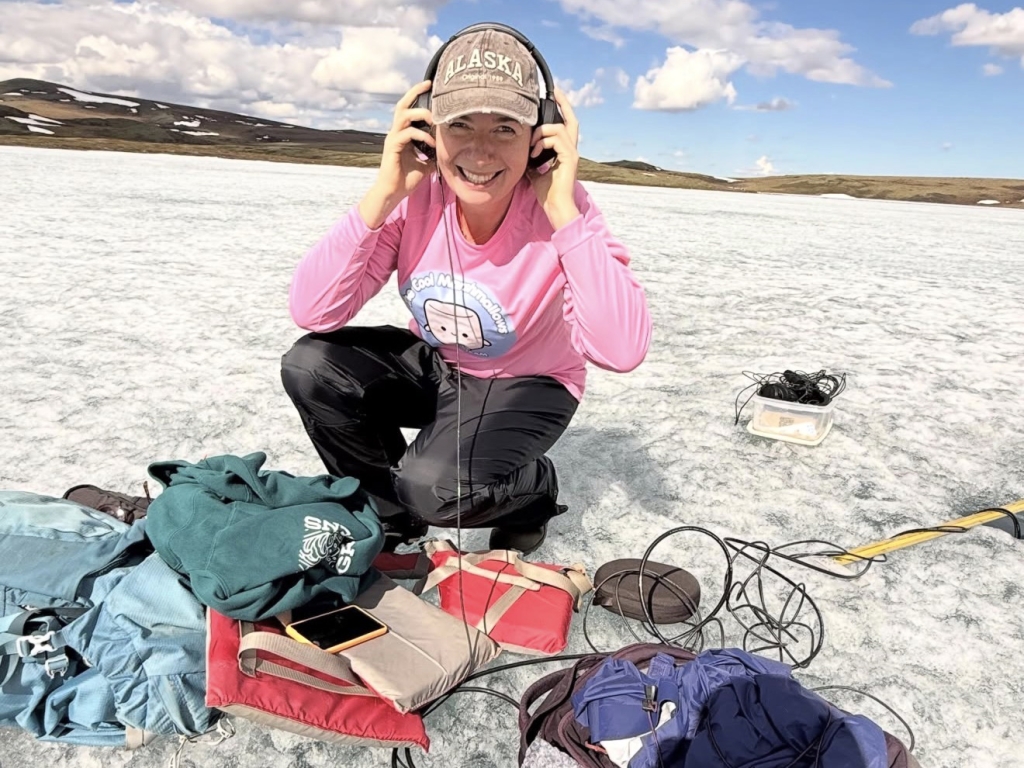
Yet that is exactly what happened when I had the opportunity to work alongside artist Nikki Lindt and experience her project, Subterranean Voice.
As an educator, I often think of science as something we observe, measure, analyze, and explain. We collect data. We identify patterns. We develop models. We communicate results.
Nikki challenged me to approach science from an entirely different direction. She encouraged me to experience it.
Through her work, sounds hidden beneath the surface became part of the story. Suddenly, science was not just something I could see on a graph or read in a research paper. It became something I could hear. That simple shift changed my perspective more than I expected.
At first, I wondered how sound fit into my understanding of science education. Like many STEM educators, I have spent years focusing on concepts, experiments, and evidence based learning. My goal has always been to help students understand scientific processes and develop critical thinking skills. But Nikki’s work made me realize that curiosity often comes before understanding.
People are naturally drawn to experiences that surprise them.
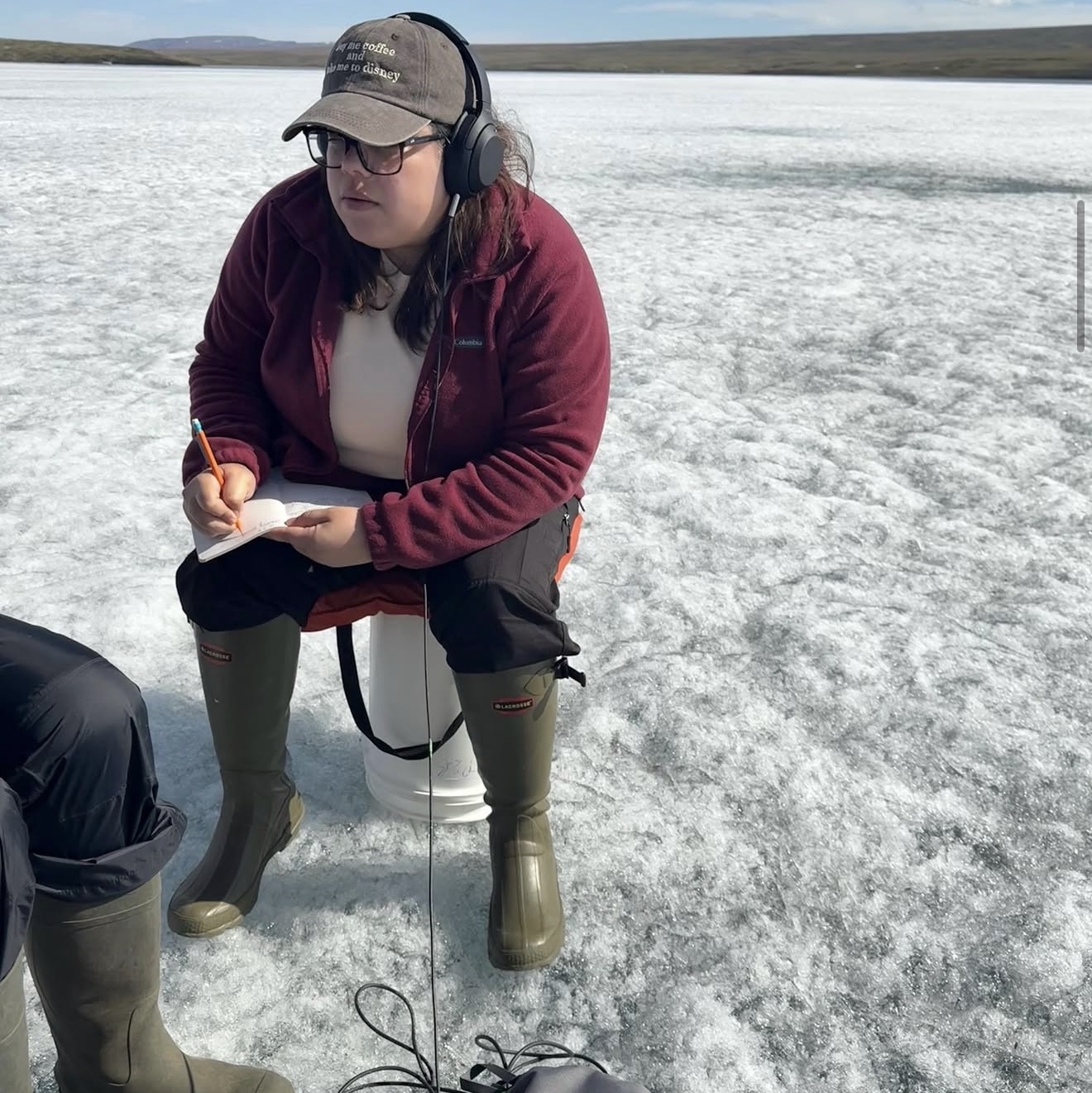
Hearing sounds from beneath the Earth’s surface creates questions.
What am I hearing?
Where does that sound come from?
What processes are causing it?
Why does it matter?
Those questions lead directly to science.
I found myself thinking about my own students and how often we ask them to learn science through facts before they have a chance to feel wonder.
Artists approach the world differently. They invite people to pause. To observe. To notice details. To feel connected. To become curious.
Scientists do many of these same things, but we often speak different languages.
What struck me most during my time in Alaska was how closely art and science actually work together. Both begin with observation. Both require creativity. Both seek deeper understanding. Both help us interpret the world around us.
The methods may differ, but the curiosity is the same.
As Nikki shared her work and the thinking behind it, I found myself reconsidering my role as an educator. I have always been passionate about STEM education because I believe science empowers young people to understand and shape their future.
Now I realize there is another layer.
Science does not have to be separate from creativity.
In fact, some of the most powerful learning experiences happen when they are combined.
Watching Nikki interact with the environment reminded me that data tells only part of the story. Human connection is equally important. If we want people to care about climate science, ecosystems, biodiversity, or carbon cycling, they need opportunities to connect emotionally as well as intellectually.
That is where art becomes so powerful.
A graph may show a pattern.
A scientific paper may explain a finding.
But art can make someone stop and feel something.
And once people care, they want to learn more.
That realization has stayed with me long after leaving the Arctic.
As I reflected on the experience, I began thinking about the programs I lead and the students I teach. How can we create more opportunities for young people to experience science through art, storytelling, sound, creativity, and self expression?
How can we help students see that scientists are creative thinkers?
How can we encourage students to communicate scientific ideas in ways that are meaningful to them?
The answer, I believe, is to embrace STEAM rather than STEM alone.
Science. Technology. Engineering. Art. Mathematics.
The addition of one letter may seem small, but it represents something much larger.
It represents the understanding that innovation requires both logic and creativity.
It recognizes that multiple ways of knowing and communicating have value.
It creates space for students who may not initially see themselves as scientists but discover their passion through art, music, design, storytelling, or other creative outlets.
My experience with Nikki reminded me that education should not simply teach students what to think about the world.
It should inspire them to experience the world with curiosity.
The Arctic gave me many unforgettable lessons. Some came from researchers studying lakes and ecosystems. Some came from educators sharing ideas. Some came from artists helping us see and hear the environment in new ways.
Nikki’s Subterranean Voice challenged me to think differently about science communication, learning, and engagement.
More importantly, it challenged me to think differently about myself as an educator.
I arrived in Alaska thinking about STEM education.
I left imagining STEAM education.
And for that, I am incredibly grateful.
Because sometimes the most powerful lesson is not learning something new.
It is learning to see, hear, and experience something familiar in an entirely different way.