

When most people picture Arctic research, they imagine scientists quietly collecting data in one of the harshest environments on Earth—clipboards, instruments, graphs, and numbers. And while all of those things are part of the story, they aren’t what I remember most.
What I remember is the music.
At first, I thought the Arctic was silent. There were no city streets, no traffic, no constant hum of everyday life. The loudest noises were the gravel beneath our tires as the truck rumbled through the oil pads toward the research site. But after a few days on the tundra, I realized I simply hadn’t learned how to listen.
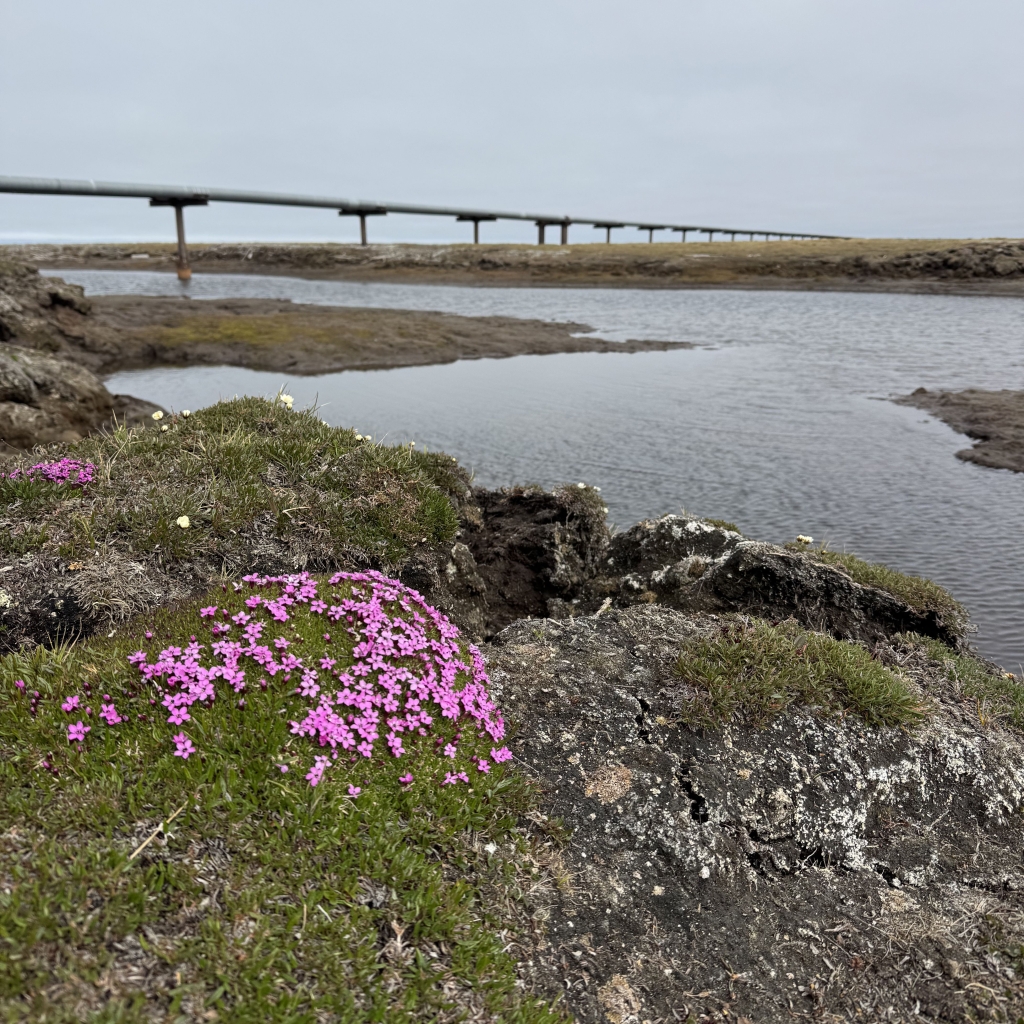
The wind became the percussion section, rushing across the sedges and through the endless expanse of tundra. Plovers announced our arrival before we reached our field sites. The Arctic Ocean breathed quietly in the distance, lapping against the dark sand, while the occasional rumble of a truck reminded us that industry and wilderness exist side by side in this remarkable place.
Then there was the music of science.
The team was a well-oiled machine. It was just as much about the science as it was about the art—the dance of how all the different pieces of research came together. Everyone’s role told a part of the Arctic story, and I was lucky enough to become part of the dance.
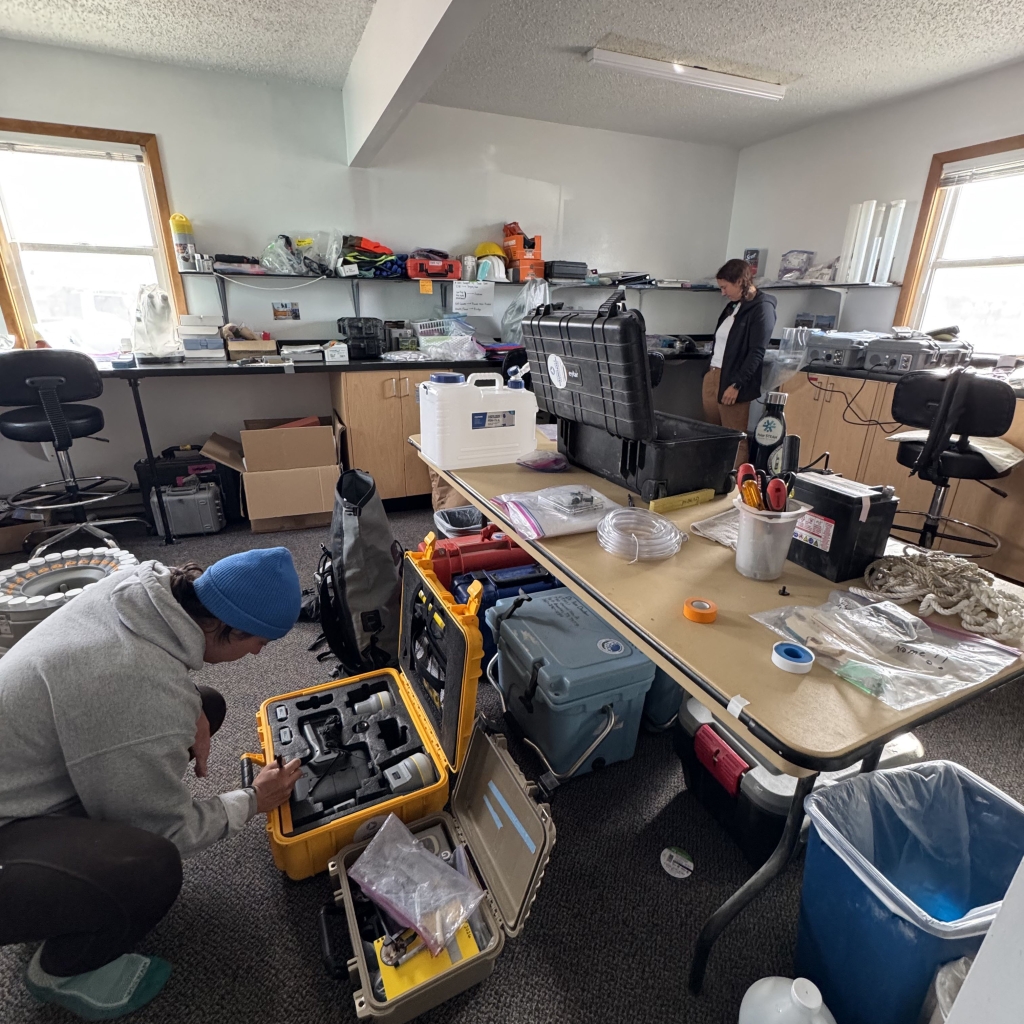
Each morning, our small lab came alive like an orchestra preparing for a performance. Sample bottles were labeled. Batteries were charged. An ultrameter was calibrated. The sipper, RTK poles, and flux chambers were packed alongside bear spray and buckets filled with ratchets, hatchets, screwdrivers, and mallets. Zip ties tightened. Metal clinked. Action Packers snapped shut with a familiar rhythm.
It wasn’t noisy. It was purposeful. Every sound meant someone was preparing to answer a scientific question.
Julia Guimond, the principal investigator from Woods Hole Oceanographic Institution, was the conductor, guiding the rhythm without ever demanding attention. Alongside her were Julia Holtzer from the Marine Biological Laboratory, Alina Spera, a postdoctoral investigator at WHOI, and Kaj Lynoe, a research assistant from Woodwell Climate Research Center. Each brought their own expertise and research questions, but they shared a common purpose: understanding the Arctic and uncovering the drivers of saltwater intrusion across the tundra.
What struck me most wasn’t just how talented they were, but how they worked together. They were collaborators, sounding boards, and friends. Ideas flowed naturally. Questions were welcomed, observations were shared, and every success belonged to the team.
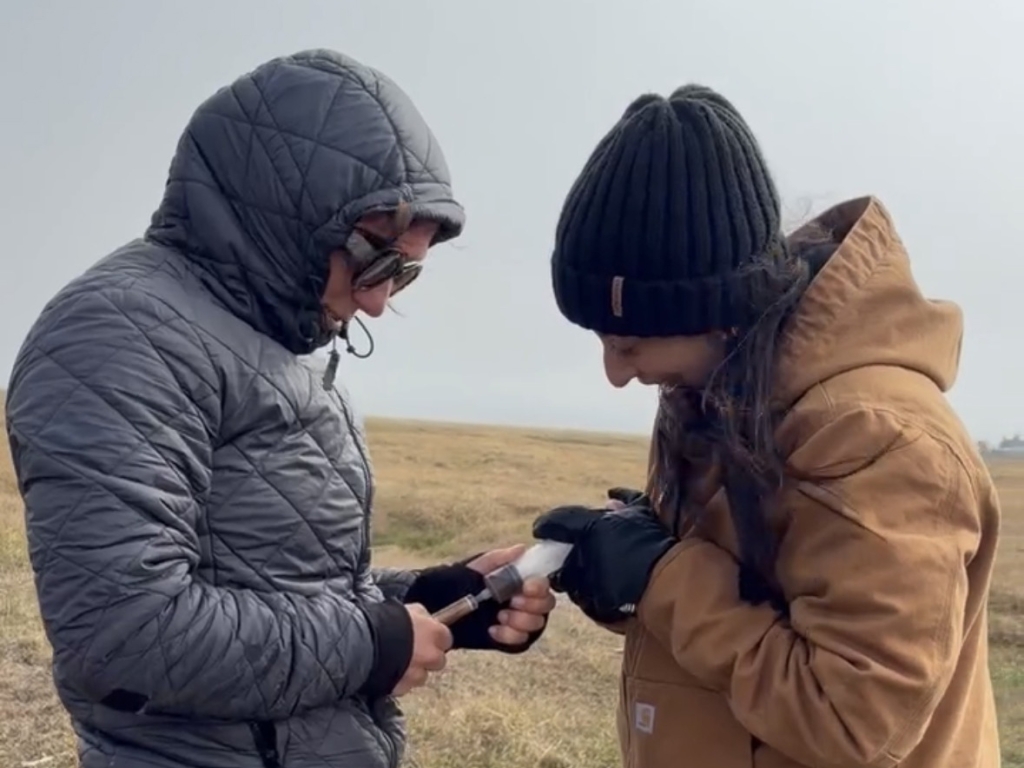
Julia led the team with a quiet confidence that never needed to announce itself. She trusted her team completely, and they trusted her in return.
Even orchestras encounter moments of dissonance. A differing opinion, a debate over the next step, a question that challenged an assumption, or simply who was going to drive next. But those moments never defined the team. They became passing notes in a much larger composition, quickly resolved as everyone returned their focus to the shared goal.
The music never stopped.
As someone stepping into their world for the first time, I expected to see hierarchy. Instead, I witnessed humility. The science was exceptional, but the people behind it were even more remarkable.
During my first days, their conversations sounded like a foreign language. Flux chambers, hyperspectral cameras, RTK mapping, pore water sampling, bromide tracers, and greenhouse gas exchange swirled around me faster than I could process them. I listened far more than I spoke.
But something remarkable happened.
Little by little, the language became familiar. I learned the rhythm behind the terminology. I stopped hearing complicated words and started hearing the questions they were trying to answer. Every instrument offered a different perspective on the same landscape. Every dataset became another voice in the story of a changing Arctic.
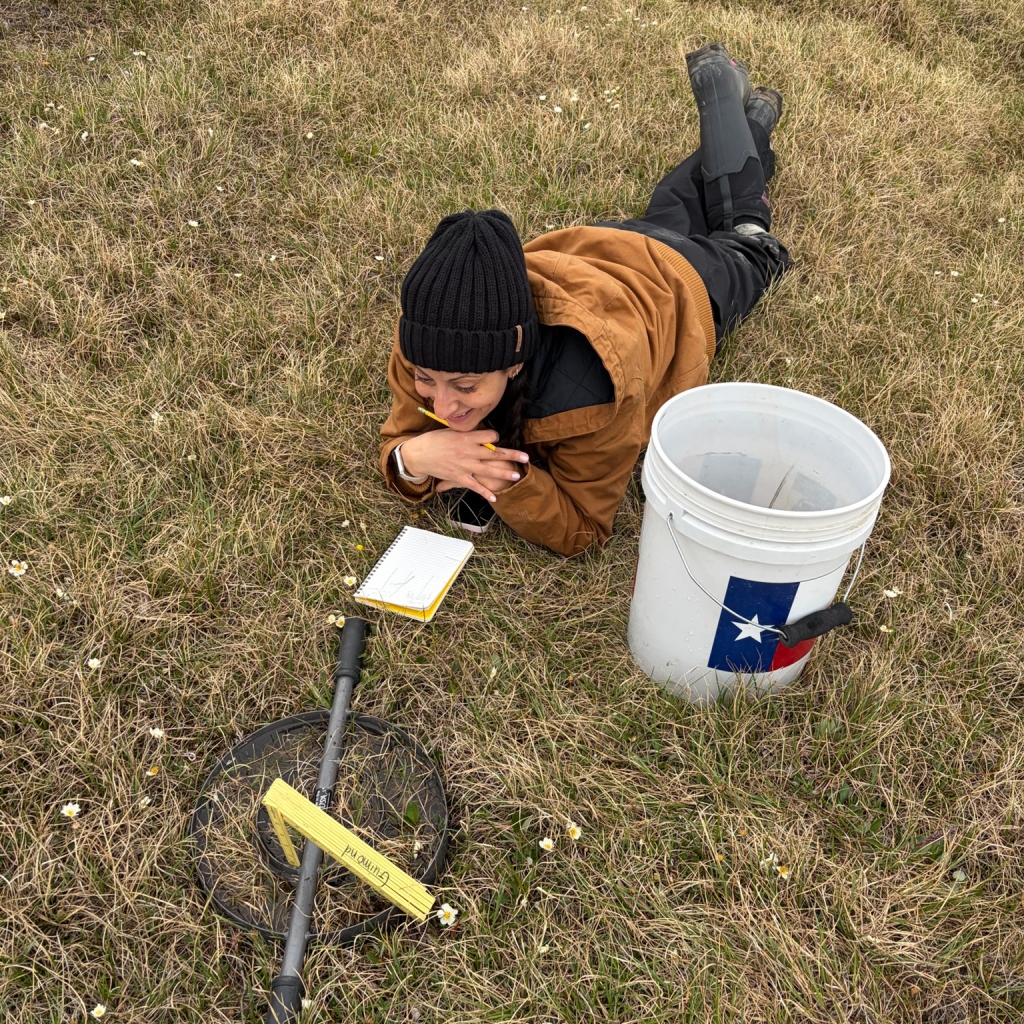
By the fifth day, I wasn’t just observing the orchestra—I was playing alongside it. I still asked plenty of questions and occasionally needed a translation, but I had become part of the rhythm. That afternoon, we finished early enough to return to base camp for some extra sleep and a spirited game of Ecologies. Somewhere between laughter and friendly competition, I realized how much I had learned in just a few short days.
As teachers, we often separate science and art into different classrooms, subjects, and ways of thinking. But standing on the tundra taught me that they have never really been separate.
Science requires creativity. It asks us to imagine questions no one has answered before. It demands observation, curiosity, and the ability to see patterns hidden beneath the surface. Art asks us to notice, interpret, and tell stories that help others understand what we’ve discovered.
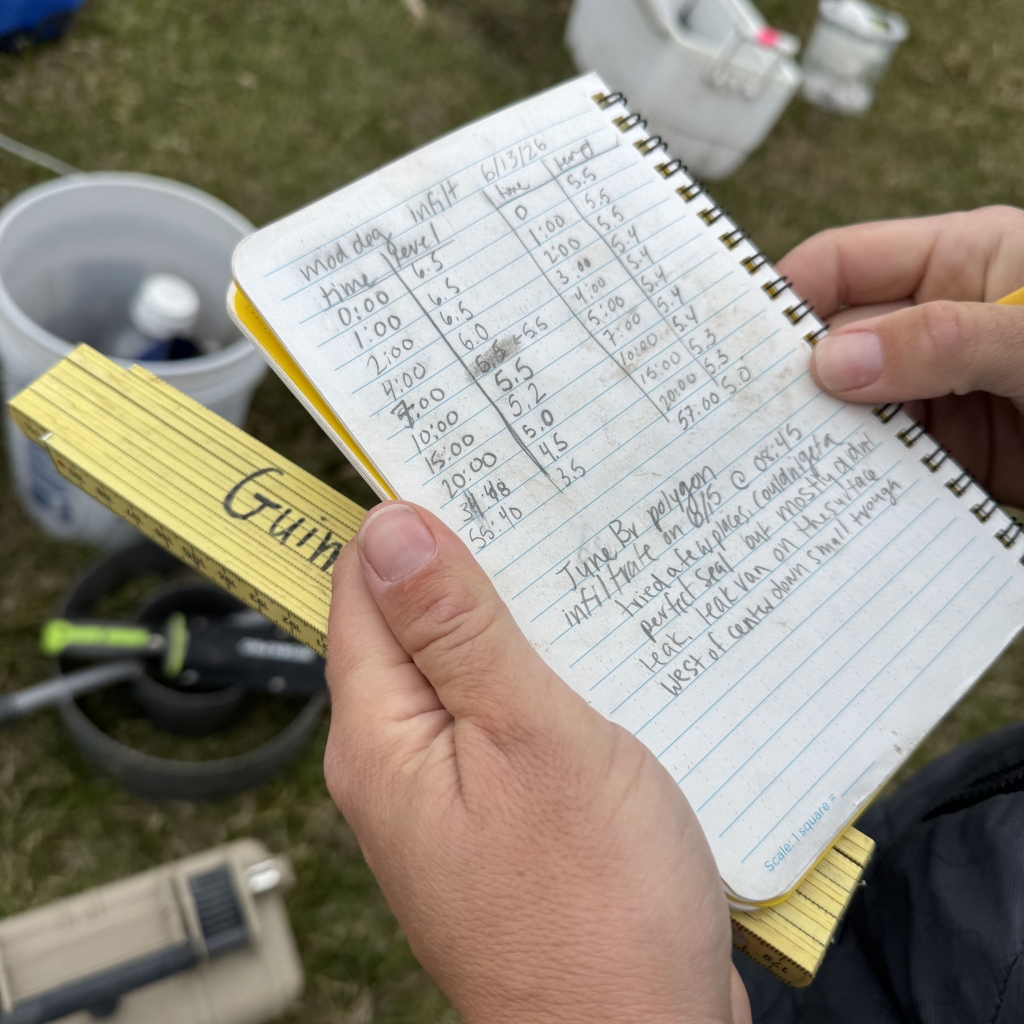
The scientists measured carbon flux, salinity, thaw depth, and water quality. They documented change with remarkable precision. But they also showed me something no instrument could measure: wonder.
Perhaps that’s what I’ll bring home most to my students.
Not just new research techniques or stories from the Arctic, but the understanding that discovery isn’t a solitary pursuit. It’s a symphony of people, perspectives, ideas, and disciplines working together to better understand our world.
The Arctic wasn’t silent after all.
I simply had to learn how to listen.
You can listen to a curated playlist: Sounds of the Tundra: Music From Alaska and the Journey North on Spotify.
This playlist is a musical journey through Alaska and the Arctic—from Indigenous voices and ancient traditions to tundra, ice, fieldwork, wonder, and reflection. A soundtrack for discovering the North, being changed by it, and carrying a little of the Arctic home with you.