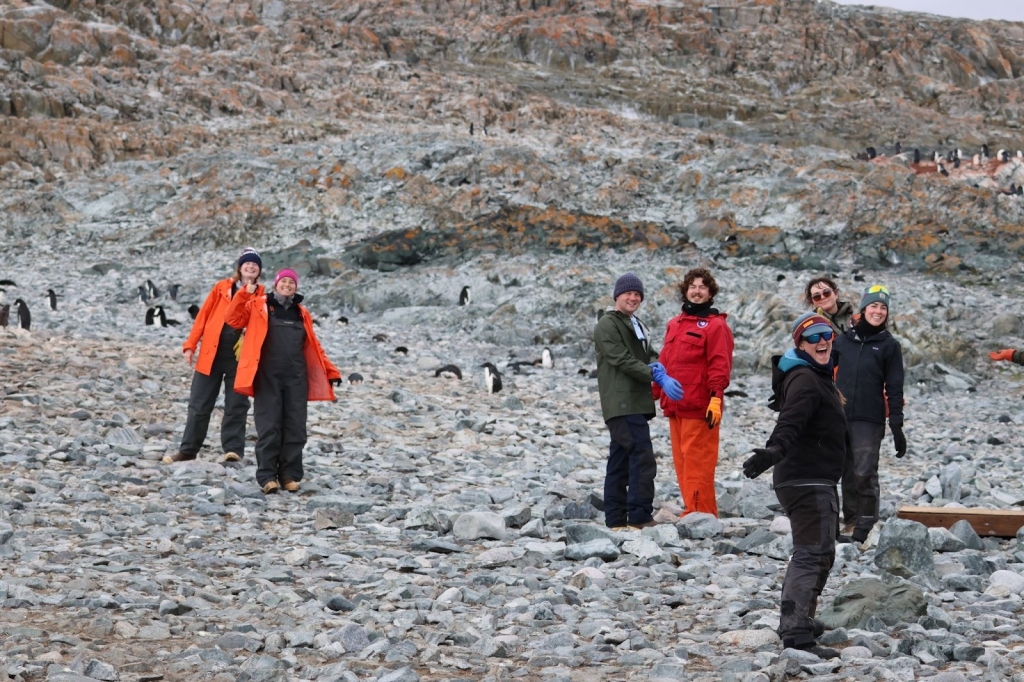

The oceanography world is a small one. For such a massive force covering the majority of the planet, the team of scientists that study it is relatively small. Meaning, even though the scientists gathered aboard this vessel are from all different institutions across varying coastal cities studying all different specialties, they all know someone who knows someone.
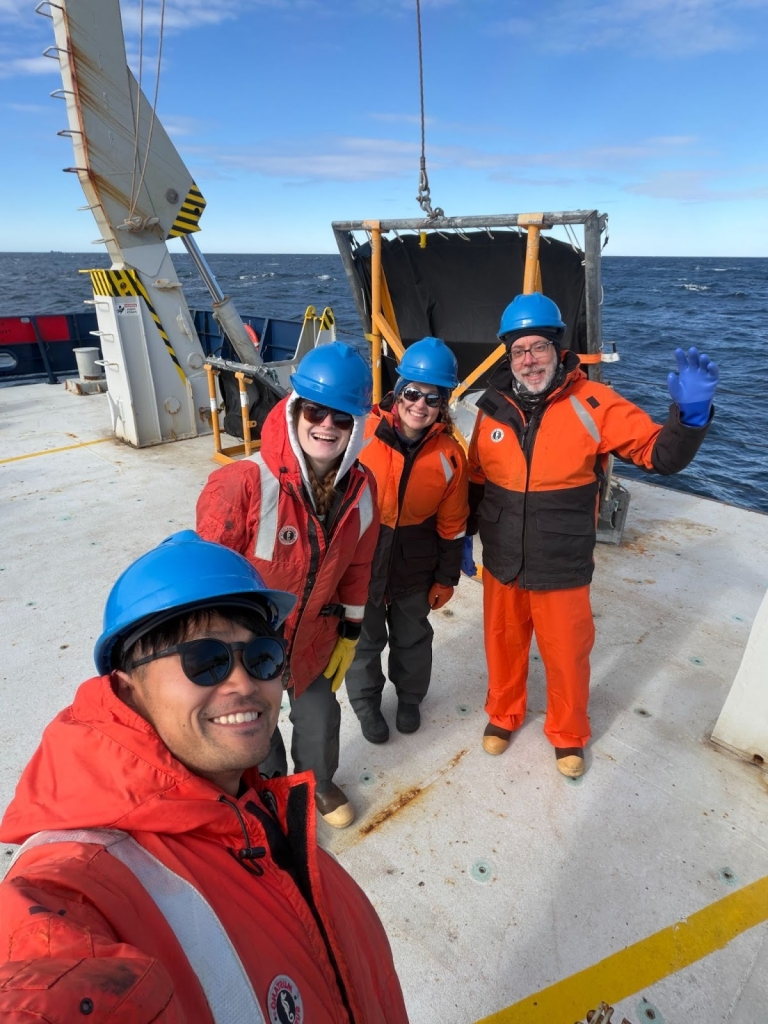
Whether or not they work in the same laboratory back home, these scientists are often one degree of separation from one another through the network they have developed. And despite this, or maybe because of this network, (and the reality that the research topics are so vast) there doesn’t appear to be harsh competition. There is collaboration, guidance, brainstorming, troubleshooting, connection building. There is a group of people that care so much about advancing the mission of science that they negotiate and compromise where needed in order to help one another and once again, help the mission.
It was no small task to get here, this year more than any other (save the covid years). The R/V Roger Revelle setting sail on January 8th of this year happened in spite of countless barriers requiring many shifts and new iterations of the cruise. This cruise happened in spite of massive budget cuts. This cruise happened in spite of a 45 day federal government shutdown leading up to departure day. This cruise happened in spite of losing access to USAP ice breakers. This cruise happened in spite of having no ice breaker at all. This cruise happened in spite of an adversarial Physical Qualification process. In spite of all of the barriers- fiscal, professional, political, personal- we are here. And NO ONE is taking that for granted.
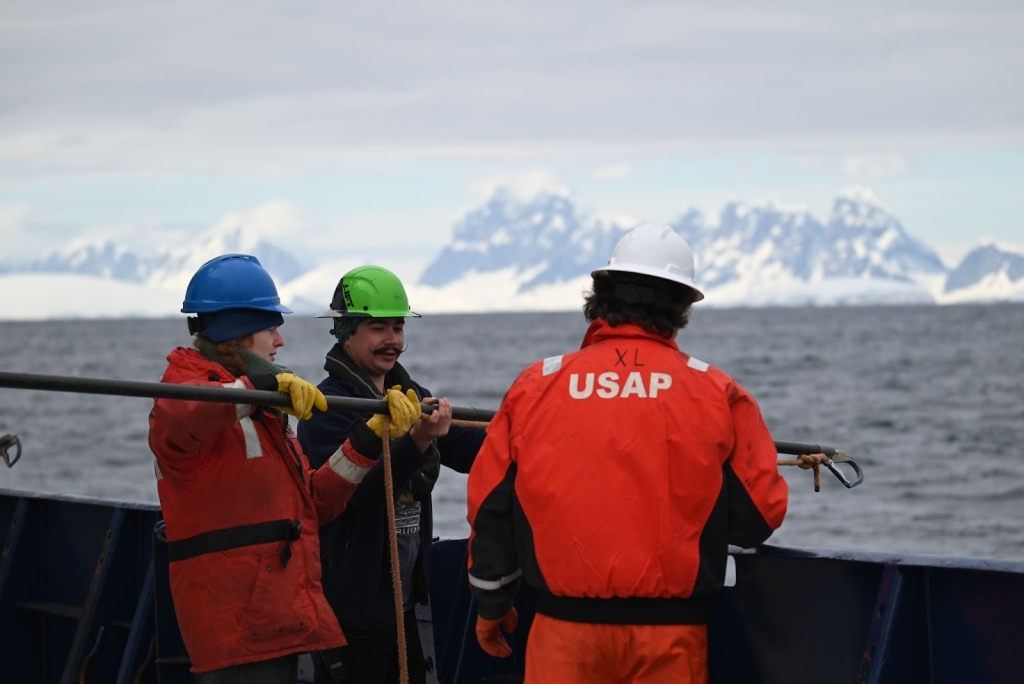
Everyone is making the most of it and helping one another make the most of it. It is remarkable to be part of a team whose 6 weeks at sea could result in so many publications. Whose work will get read by this tight knit network of academics and whose work will be used to educate the next generation of oceanographers. And despite the knowledge of impending publications, even more stringent grant renewals, a tiny professional network with few vacancies, everyone was eager to learn about and support one another’s science. This was demonstrated on our Drake Passage return days where we hosted informal science talks. Fifteen minutes summarizing what an individual’s overall research is and what their vessel project was. It is inspiring and incredible to get to hear from people that work ceaselessly talk about the things they are most excited about: from pteropod microbiomes to catching neon isotopes to good old winter water, learning from experts that love to learn is a privilege. And once again, everyone was eager to hear from one another and support their endeavors and ask the necessary clarifying questions to learn more.
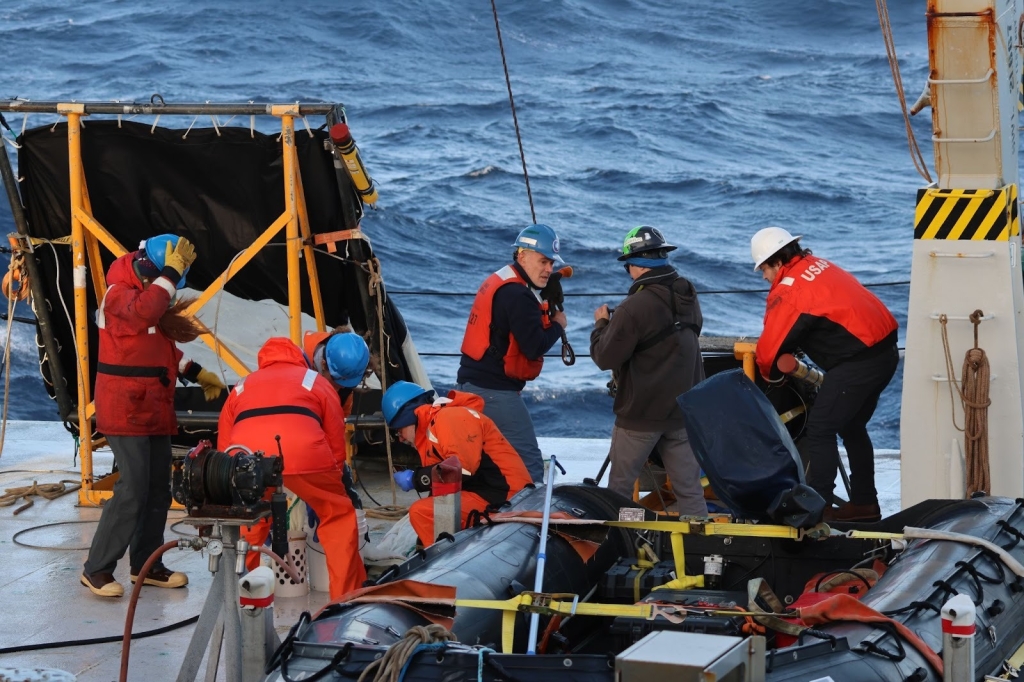
What an incredible community to be part of. Academia, like other professional sectors can be cut throat, petty, and calculated. But Debbie, Carlos, Oscar, Ben, and the LTER crew have fostered a team of collaborators that do good work with joy. It is Debbie’s and Joe’s last Antarctic LTER cruise and it has been said by those on this cruise, and by many people sending well wishes her way, that Debbie brings joy to science. After spending two months learning from the best, I would have to agree. Antarctica is a resilient place. Its climate is harsh, its ecosystem hyper specific, and its environment rapidly changing. But, it is resilient. It is adjusting and adapting, and dying, and shifting. To study it, you have to be resilient too. To survive the harsh weather. To survive the stark reality you are documenting anthropogenic harm. To survive the often problematic process of just getting down here and fighting to prove the value of your life’s work. You have to be resilient. And the LTER team of scientists and the fact that it has persisted so long is the definition of resilience. And there is much joy in that.