
I miss my new family. Don’t get me wrong—I love my family at home very much. This adventure would not have been possible without the support of my wife and daughter. But I also miss the new family I found in the Arctic. I traveled north to conduct field research, to participate in a science fair, to witness firsthand the effects of climate change, and to design lessons for my students. Yet weeks after returning, what lingers most is not just the work I did, but the cities I visited and the people I met—the remarkable, unique souls who became my extended family.
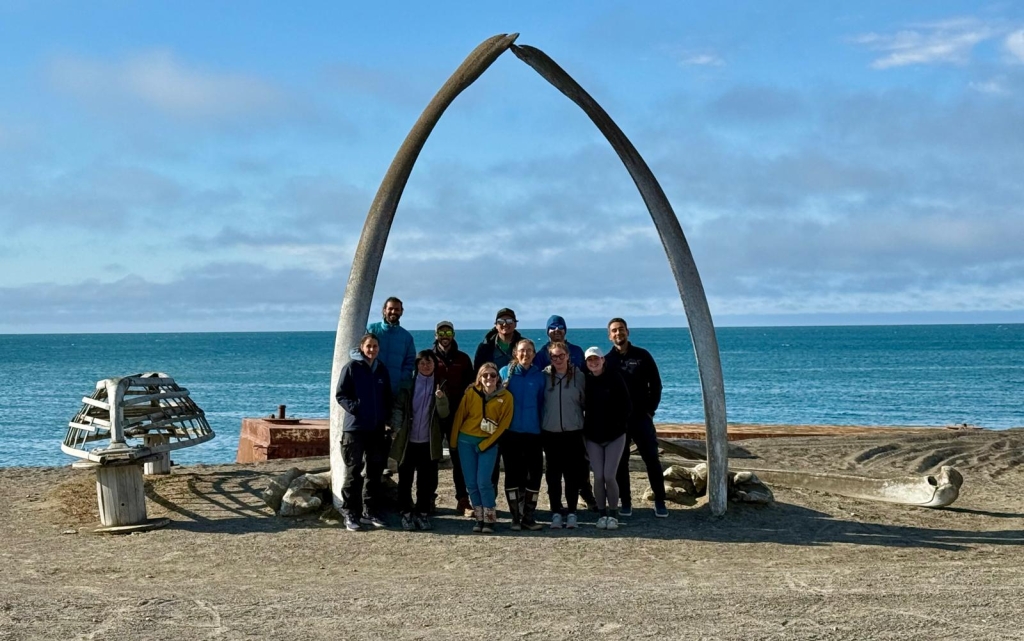
After working virtually for six months with my Researcher Fellow Mark Lara, it was exciting to finally meet him and his graduate student, Lijia, in person on the flight from Anchorage to Utqiaġvik. Upon landing, we headed straight to Osaka—one of only five restaurants in town—where the rest of the team was waiting. From the moment I walked in, I felt welcomed, and that sense of belonging never faded. Our team including me was nine people strong, and I enjoyed my time with each and every one of them. I miss my conversations with A.J. about the joys of fatherhood and my early morning talks with Jen about the challenges and rewards of teaching. I miss losing every card game imaginable to Lijia, who somehow managed to beat everyone every single time. I miss lying on the tundra in quiet conversation with Mark and laughing with Morgan over lunch about everything except work. I miss watching Katie put in more effort than anyone else, yet still radiate positivity. I miss playing mechanic with Mario as we tried to coax the Hondas (generic term used for all 4-wheelers in the arctic) back to life. I miss Christian’s “I think you’re amazing” compliments and his signature whistles. I miss my research family.
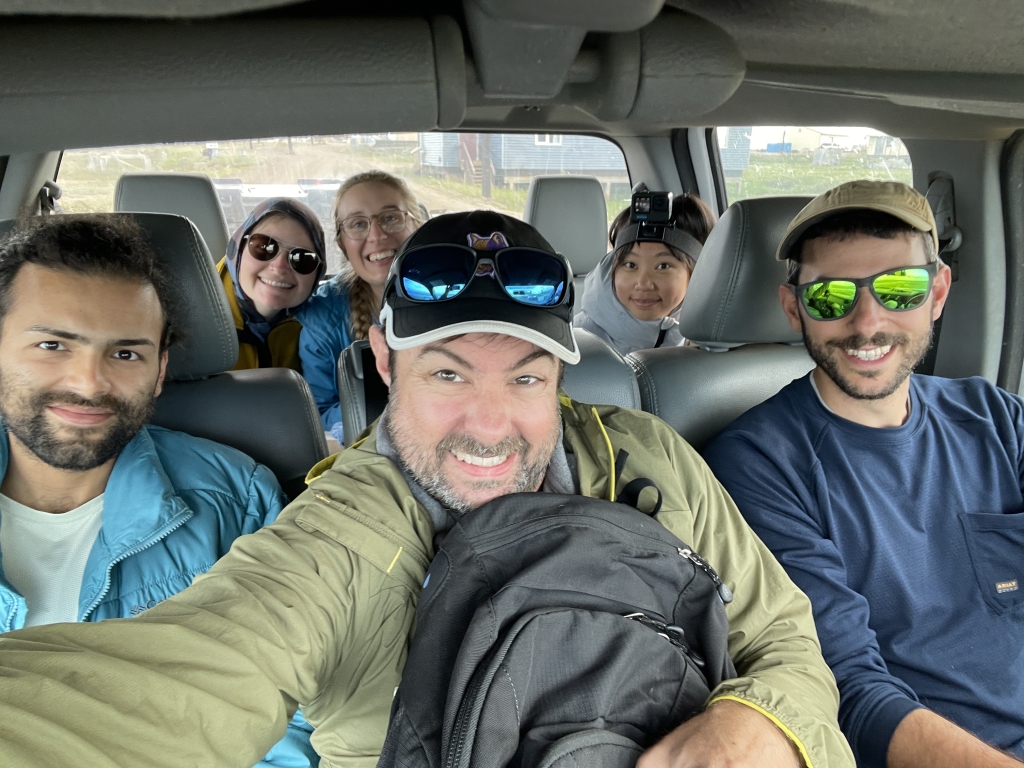
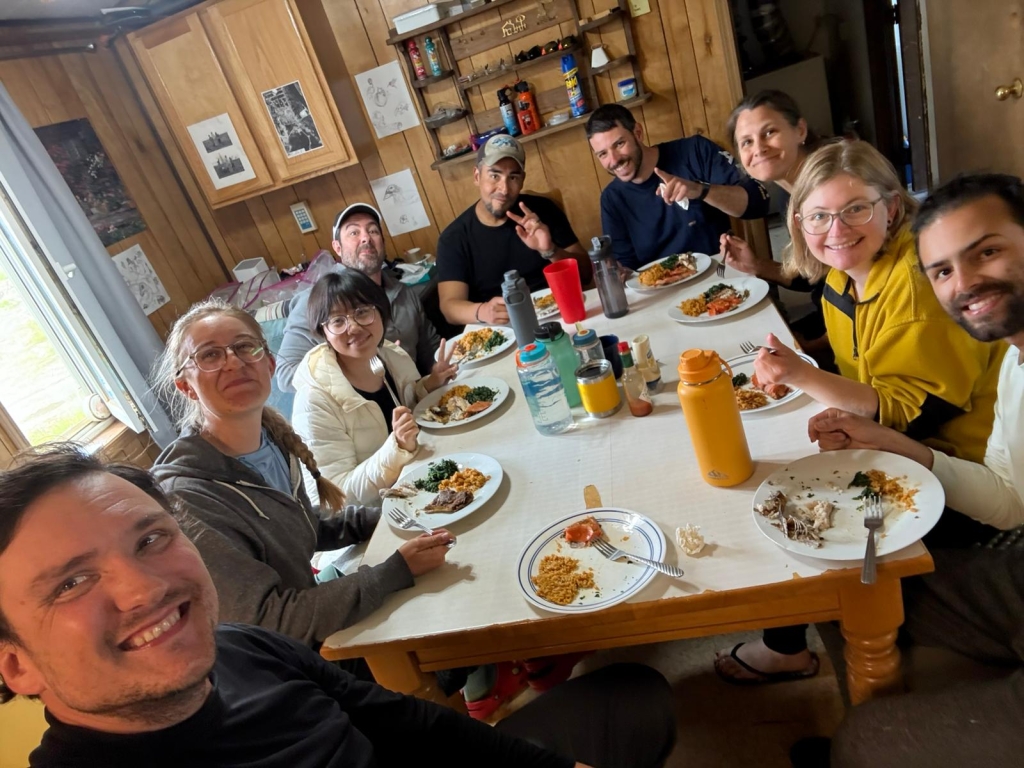
I miss Atqasuk. The little blue house we called home for a week had a personality all its own. The dining table was meant for six, but we squeezed in nine each night, turning it into a hub of laughter and conversation. The living room doubled as a prep space in the morning and a card game battleground at night. When the toilet broke on day two, we filled the tank with a removable showerhead until Mayor Doug—part-time plumber and full-time character—showed up unexpectedly to fix it. We eventually rigged a screen for the boys’ back bedroom after three days of trying, and we discovered hundreds of random keys around the house—none of which opened the research lab. So, we improvised, turning Christian’s bedroom into a makeshift lab. But what I will miss most about Atqasuk are its people. Mayor Doug and his surprise visits always sparked laughter. Peter, the “P” in P & J’s, the only store in town, seemed to hold the entire community together.
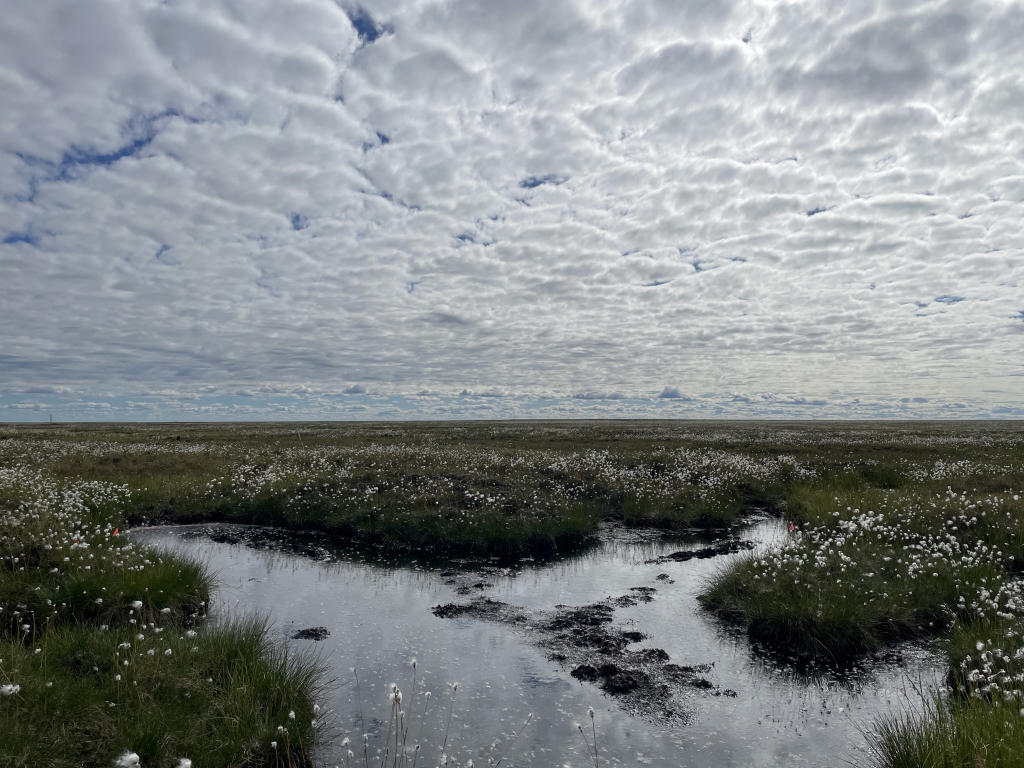
I miss the tundra. Early morning Honda rides across the hummocky landscape were the perfect way to start the day. Even though the sun never set, the morning light still carried a special calm. Waves of cotton grass rippled across the horizon, pulling me further into its endless expanse. I was astonished the day two butterflies and a single bee appeared—a small reminder of life I hadn’t expected to find there. One afternoon, I caught myself marveling at the sky, realizing I could see clouds stretching farther into the distance than I ever had seen before. The tundra, surprisingly, makes for a soft and welcoming place to rest after a long day’s work. I miss the tundra… though I cannot say the same for the mosquitoes. And my ankles certainly don’t miss the tussocks!
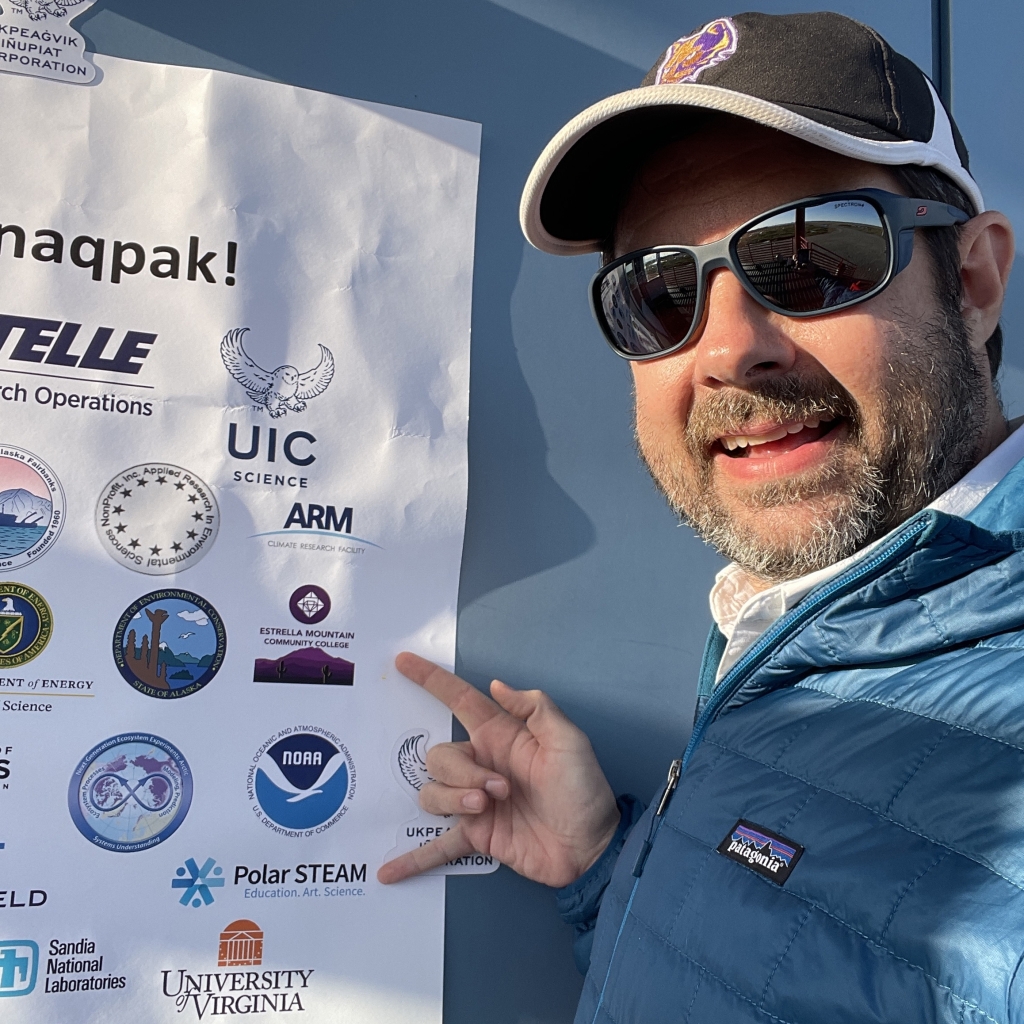
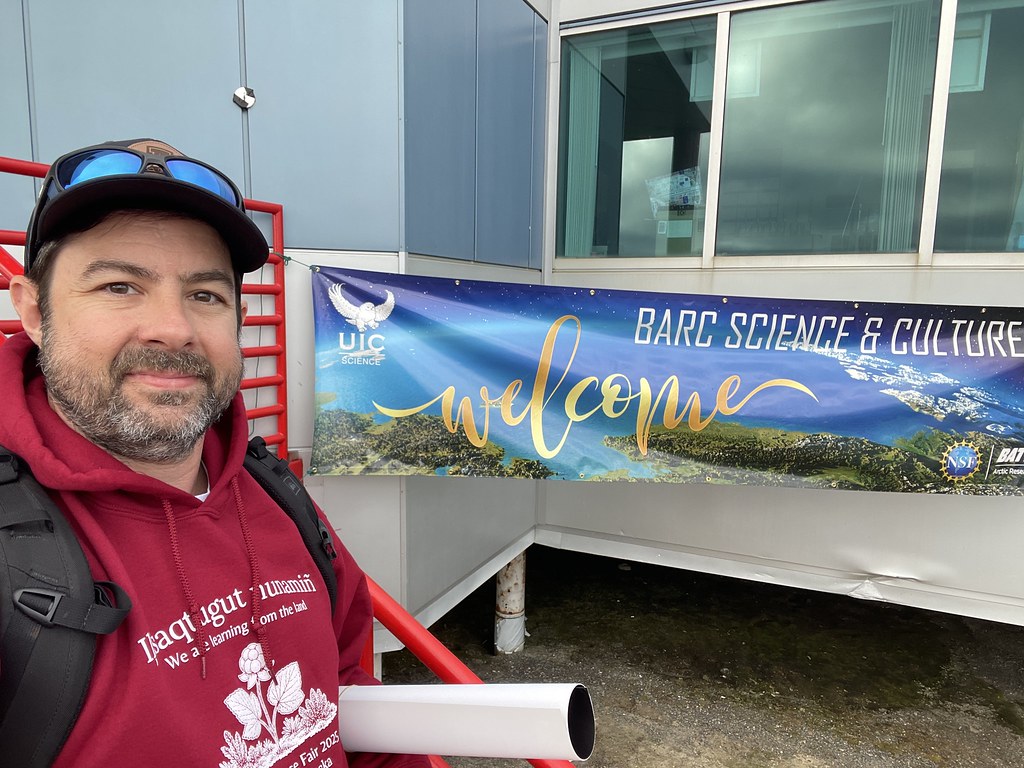
I miss my science fair family. After my week in the field, I was invited to present at the BARC Science and Culture Fair in Utqiaġvik. The warmth and cheer of the BARC and UIC staff were contagious, but it was the students who left the deepest mark. Their smiles—bright, wide, and genuine—made me feel instantly at home. Before the fair even began, children were holding my hand as we walked, teasing me with playful jokes, and asking for piggyback rides. I wasn’t an outsider; I was treated like family. I even ran in to Fatima, a Polar STEAM fellow from 2024, at the fair! That sense of belonging extended to the staff as well. Being there felt like visiting Grandma’s house—where you are constantly asked how you’re doing, where food is pressed into your hands before you even realize you’re hungry, and where you feel cared for simply because you are there. That’s exactly how it felt. Whether I was leading kids’ activities, giving my evening presentation, or sharing dinner with the community (and sneaking in a few more piggyback rides), I felt embraced as part of something bigger.
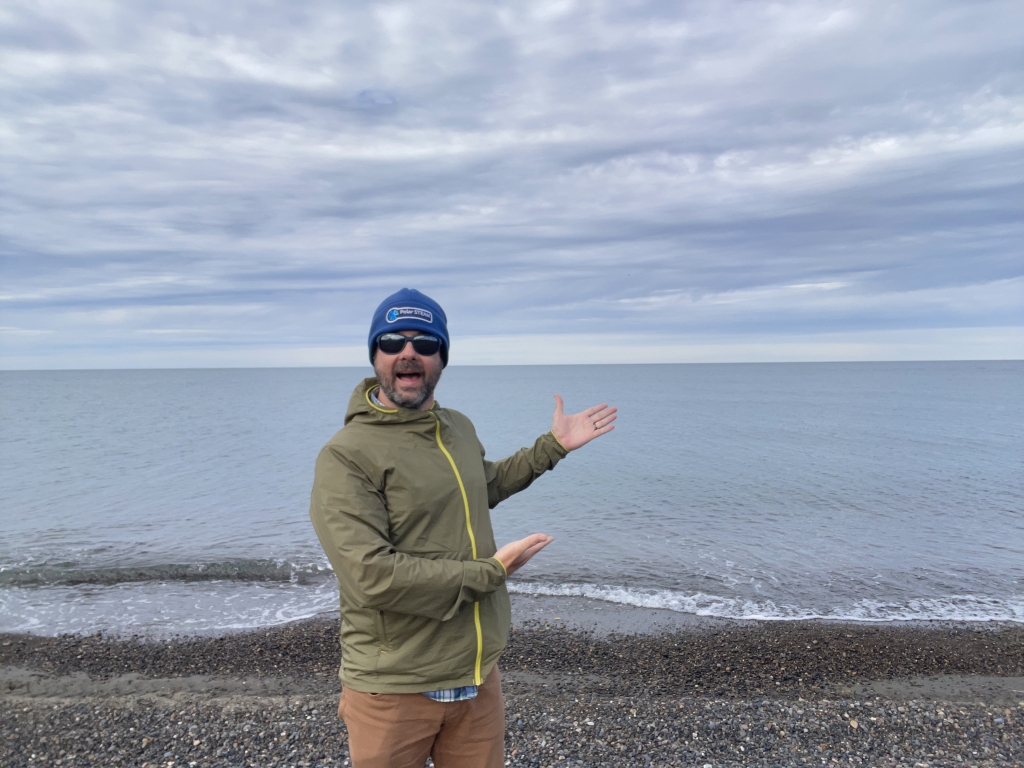
I miss Utqiaġvik. In a town of 5,000 people, 5 restaurants, 1 gas station, and not a single stoplight, there is little you don’t see. Each morning at the Nest, the dorm for Arctic researchers, I’d find scientists milling about, coffee in hand, preparing for the day. Craig—the sage of the Nest—was always there, greeting me with a nod and a firm handshake. Foggy morning drives to Niġġivikput Restaurant for omelets and coffee became a ritual. Midmorning walks through the UIC science facilities, once a naval base, carried a sense of both industry and isolation. Just a few hundred yards from the Nest lay the Chukchi Sea, its waves whispering of both life and mystery. I visited the shore daily, preparing myself for the inevitable polar plunge. The beach stones were polished smooth by time, the water teaming with life—though more often than not, that life appeared as jellyfish. Late-night dinners at Sam & Lee’s left me blissfully drowsy, the perfect antidote to Utqiaġvik’s relentless midnight sun. Driving through town with the windows down, waving to every passerby—on foot or in a car—felt like the most natural thing in the world. I felt woven into the community.
Don’t get me wrong—science, research, work, and learning all occurred. However, it was the people and places that I can’t get out of my head. These are the stories I tell when people ask how my adventure was. And that is how I describe it—as an adventure. Not an adventure to a faraway land where few people I know may ever go, but an adventure to find a new extended family. I miss my new family, but I am thankful to Polar STEAM for giving me the amazing opportunity to make these memories, learn, grow, and find my new family.