
As an educator, I’ve always believed in the power of hands-on learning, the idea that the most profound lessons come when students are actively engaged, not just in a classroom, but in real-world environments. That belief flourished when I was privileged enough to participate as an Educator Fellow with the Polar STEAM program.
The Polar STEAM program connects students, scientists, and educators to explore the wonders of polar science and technology. Through this initiative, I joined Dr. Ignatius Rigor’s team from the University of Washington, where we contributed to the International Arctic Buoy Programme. This project deploys weather buoys into the Arctic Ocean to collect important atmospheric and oceanic data, and invites students worldwide to send handcrafted boats into the Arctic as a symbol of connection and exploration.
While the research was exciting, the most meaningful part of my experience was working directly with middle school students in Utqiaġvik, Alaska, the northernmost community in the United States.
Learning in the Real World
In Utqiaġvik, students live in an environment that offers firsthand exposure to environmental changes. For the middle school students I worked with, ecological changes weren’t just ideas discussed in textbooks; they were things they witnessed firsthand in their community.
The opportunity to bring real-world science directly into their daily lives was impactful not only for them but also for me. It wasn’t about lectures or reiterating facts; it was about giving students a chance to engage with their world through the lens of scientific inquiry. When students see their home environment through a scientific lens, they become more engaged and civic-minded.
Hands-on Science in Action
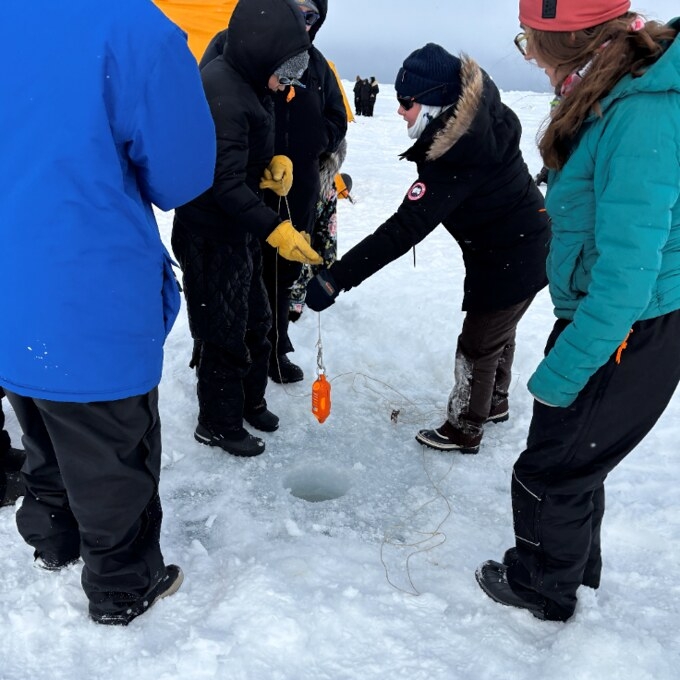
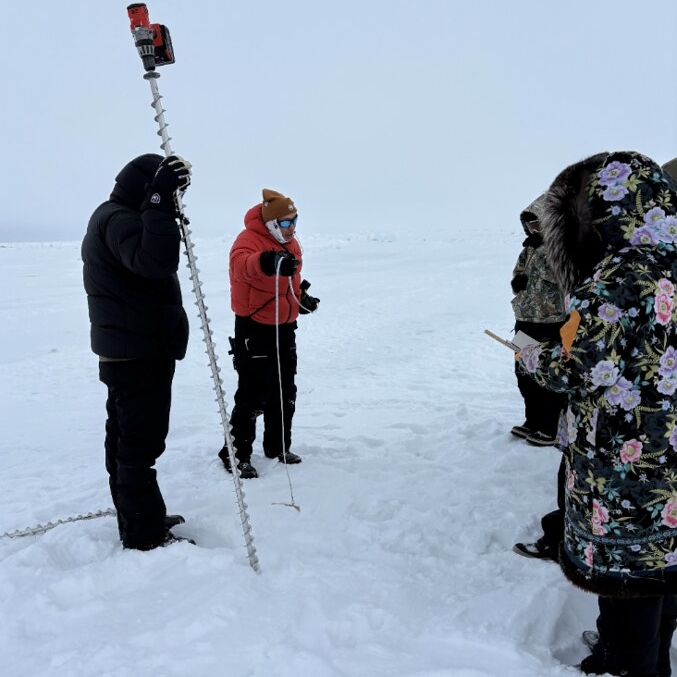
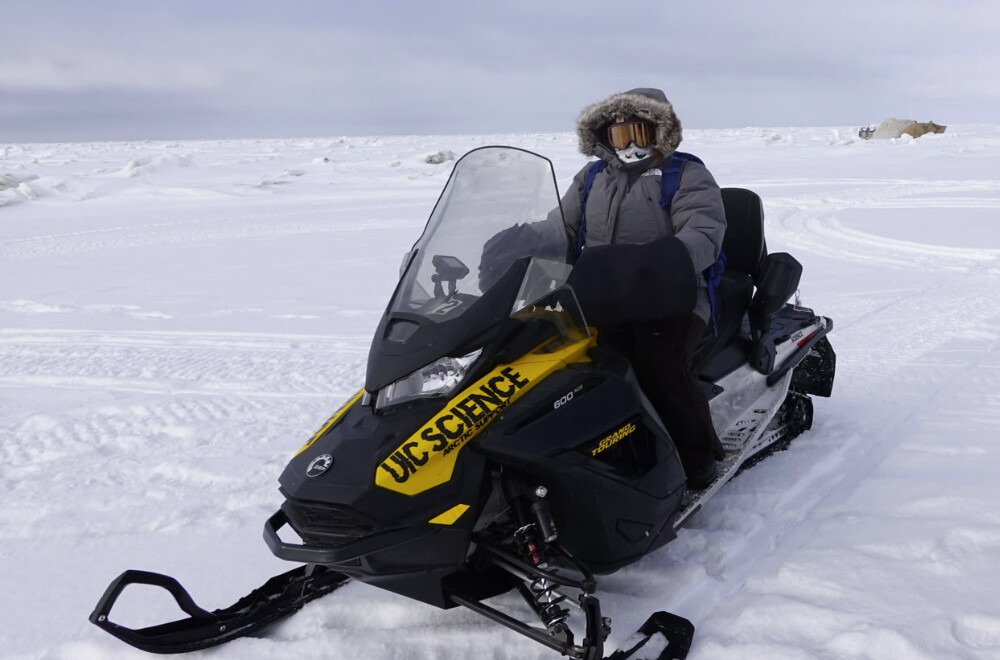
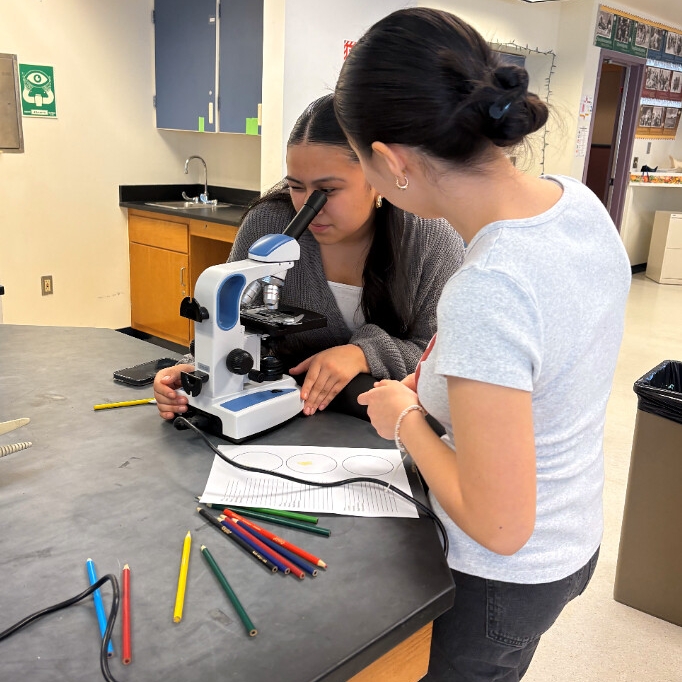
One of the highlights of the Polar STEAM program was taking science outside the classroom. With help from local experts and researchers, we set up interactive learning stations out on the sea ice. Students explored real research practices: taking ice cores, using kites for remote sensing, measuring ice depth, and studying small organisms living in the Arctic ice.
Watching the students engage with the tools and methods of scientific discovery was inspiring. They didn’t just listen, they took part and performed authentic science. They asked questions, collected samples, analyzed results, and began to think like scientists. This was the first time many had seen how their everyday surroundings connected to larger scientific questions.
Inspiring the Next Generation of Explorers
What stood out most during my time in Utqiaġvik was the curiosity of the students. They were eager to explore and critically think about the science they were participating in. Their involvement in the process inspired ownership over their learning.
The experience reminded me how important it is for young people to see themselves as capable scientific contributors. When students are treated as valued participants in the scientific process, they develop confidence and a more profound sense of purpose, a sense of science identity.
Looking Ahead
My time as a Polar STEAM Educator Fellow affirmed my belief in the power of hands-on learning to transform students’ understanding of the world around them. By engaging directly with science in their backyard, the students of Utqiaġvik developed skills and confidence that will serve them in whatever paths they pursue.
Programs like this offer more than just scientific knowledge. They offer students a chance to build critical thinking skills, gain practical experience, and connect with mentors and peers nationwide. These opportunities prepare future leaders to think analytically, act responsibly, and make informed choices grounded in evidence and experience.
I am honored to have played a small part in that journey. I look forward to seeing what these remarkable students will do next and how I can use my experience to inspire the curiosity of my own learners back in Detroit.