

LTER: Ecological Response to "Press-Pulse" Disturbances Along a Rapidly Changing West Antarctic Peninsula
Seasonal sea ice-influenced marine ecosystems at both poles are regions of high productivity concentrated in space and time by local, regional, and remote physical forcing. These polar ecosystems are among the most rapidly changing on Earth. The PALmer (PAL) LTER seeks to build on three decades of long-term research along the western side of the Antarctic Peninsula (WAP) to gain new mechanistic and predictive understanding of ecosystem changes in response to disturbances spanning long-term, decadal, and higher-frequency “pulse” changes driven by a range of processes, including natural climate variability, long-term climate warming, resiliency/recovery in the face of press versus pulse forcing, transformed spatial landscapes, and food-web alterations. Dr. Pallin’s research focuses on using skin and blubber biopsy samples to conduct population-level analysis to better understand the proportions of different breeding stocks present in the population of whales that feed in the LTER study region. These samples will also help him understand the demographics of this population by determining sex ratios, pregnancy rates, and diet composition. How these change over time will provide vital information on how these whales are responding to both climate change and the cessation of commercial whaling. This will contribute to fundamental understanding of population and biogeochemical responses for a marine ecosystem experiencing profound change.
Participants Involved in This Project
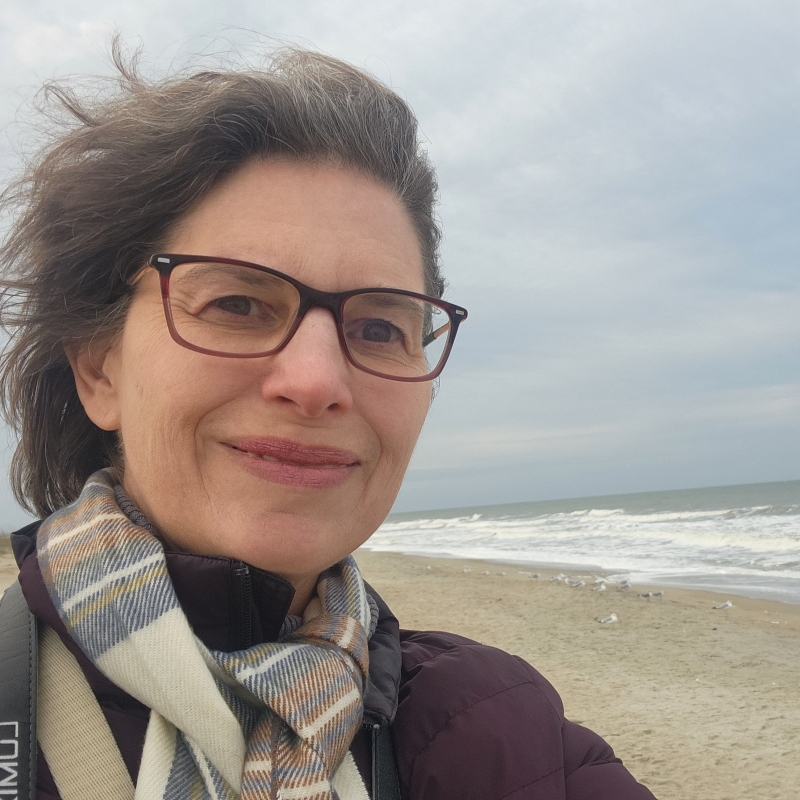
Kathy Trost | Educator Fellow: 2026-2027

Logan Pallin | Researcher Fellow



Made possible with funding by the U.S. National Science Foundation Award #2221990. The information contained here is those of the author(s) and does not necessarily reflect the views of the U.S. National Science Foundation.