


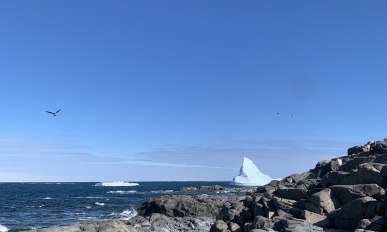
As a science teacher, the first skill and corresponding rubric I introduce is Science and Engineering Practice (SEP) #1: Asking Scientific Questions. I won’t claim that this is the most important skill. There are amazing studies on the importance of awe and wonder, as well as the importance of analysis; we have all heard, “it’s
Ecological Response and Resilience to "Press-Pulse" Disturbances and a Recent Decadal Reversal in Sea Ice Trends Along the West Antarctic Peninsula
The Palmer Antarctica Long-Term Ecological Research project (PAL LTER) studies on the effects of climate change on the marine ecosystem west of the Antarctic Peninsula. The project is over 30 years running. Our research team studies the whole food web, from bacteria to phytoplankton and zooplankton, to penguins and whales. My group focuses on the zooplankton, such as krill, which play a central role in the Antarctic marine food web.
Participants Involved in This Project
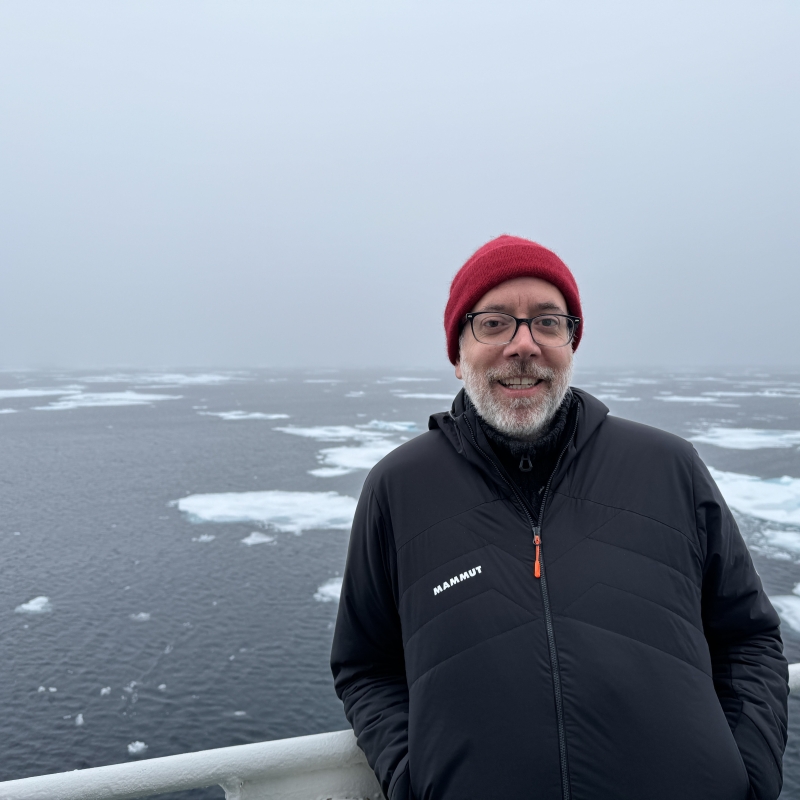
Gabriel Dawe | Artist Fellow
Dallas, TX
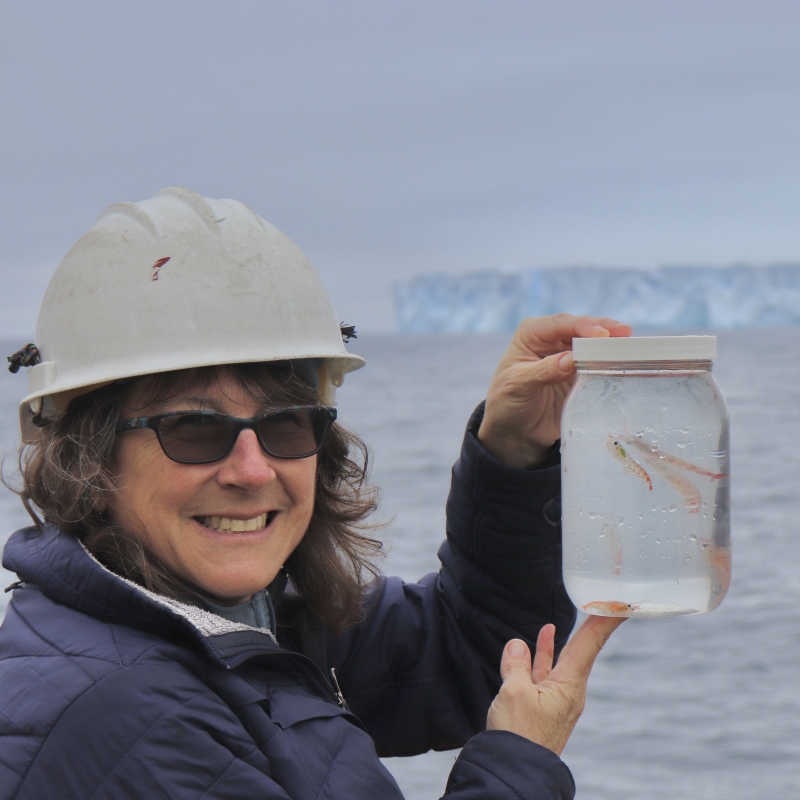
Deborah Steinberg | Researcher Fellow
Virginia Institute of Marine Science | Gloucester Point, VA
From the Blog
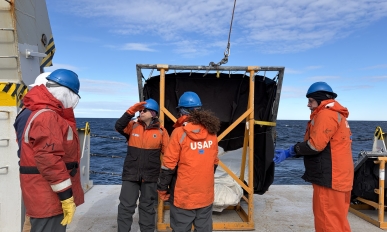
The weeks leading to my deployment to Antarctica were filled with waves of excitement, trepidation, and anxiety bordering on full-blown panic attacks. I had been dreaming of this opportunity for a long time, and it was coming at me at full speed. I had been to the High Arctic to do other artist residencies on



Made possible with funding by the U.S. National Science Foundation Award #2221990. The information contained here is those of the author(s) and does not necessarily reflect the views of the U.S. National Science Foundation.
Sign Up to Receive Updates
Receive regular updates to your inbox with the latest information about the Polar STEAM program.
Get Email Updates
© Polar STEAM. All Rights Reserved.