

Diving into the Ecology of an Antarctic Ascidian-Microbiome-Palmerolide Association using a Multi-omic and Functional Approach (ANT LIA)
Marine invertebrates often have mutually beneficial partnerships with microorganisms that biosynthesize compounds with nutritive or defensive functions and are integral for survival. Additionally, these “natural products” often have human health applications fighting infection or different types of cancer. This project focuses on the ascidian (sea squirt) Synoicum adareanum, found in the Anvers Island region of the Antarctic Peninsula, and was recently discovered to contain high levels of a natural product, palmerolide A (palA) in its tissues produced from a new bacterial species, Candidatus Synoicihabitans palmerolidicus. This bacteria is found in a persistent partnership with the sea squirt. There is still much to be learned about the fundamental properties of this sea squirt-microbe-palA system including the geographical range of the animal-microbe partnership, its chemical and microbiome complexity and diversity, and the biological effect of palA in the sea squirt. To address these questions, this team will investigate the sea squirt-microbiome partnership in the Antarctic Peninsula to advance our understanding of the structural and functional features of the sea squirt and microbiome in detail, and reveal the roles that the palA natural product plays in the host ecology in its native Antarctic seafloor habitat. Additionally, advancing the understanding of palA and its biological properties may be of future benefit to biomedicine and human health.
Participants Involved in This Project
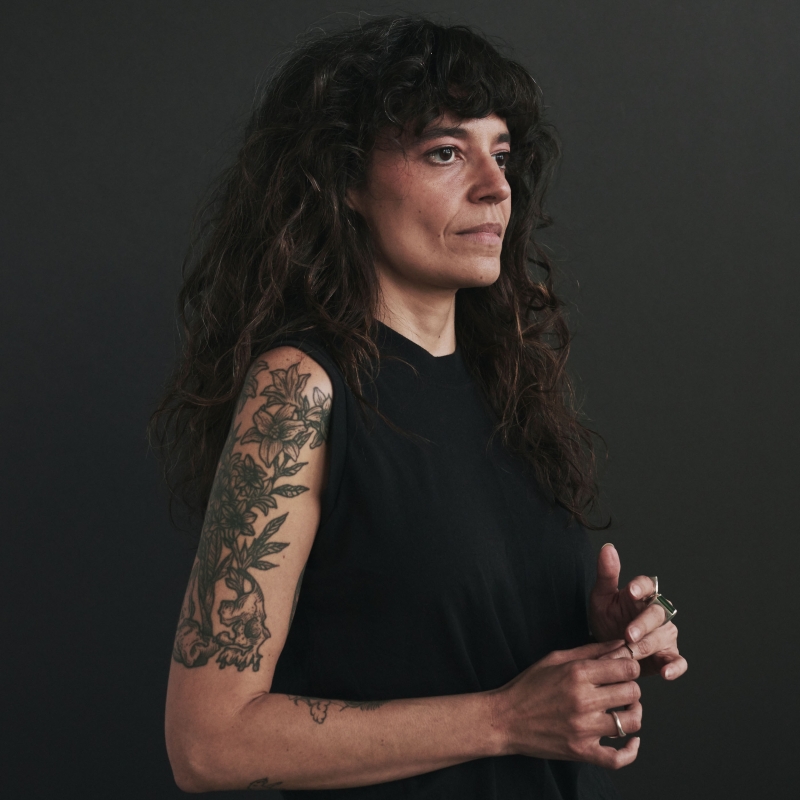
Rebecca Adorno Davila | Artist Fellow
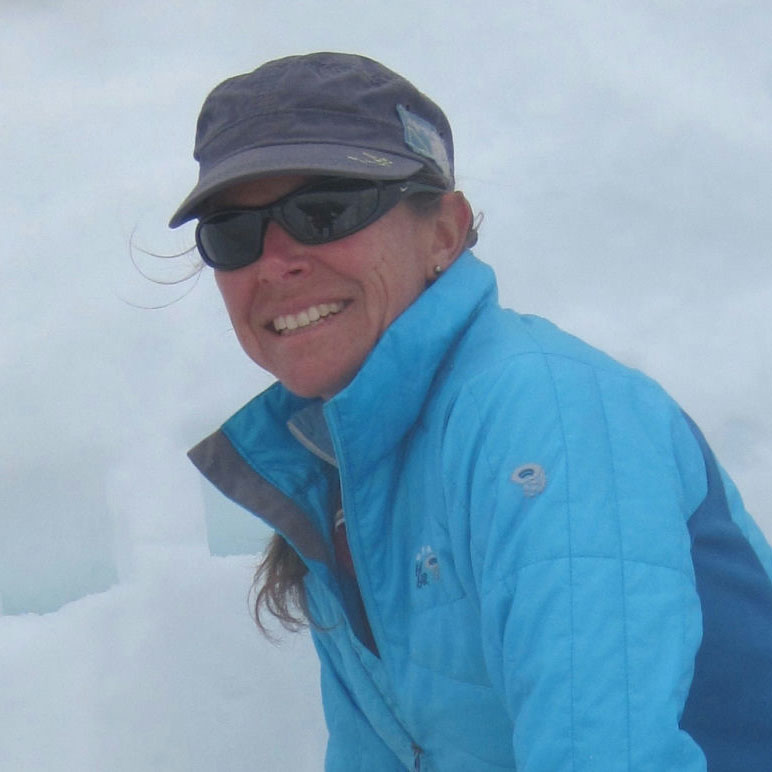
Alison Murray | Researcher Fellow
Made possible with funding by the U.S. National Science Foundation Award #2221990. The information contained here is those of the author(s) and does not necessarily reflect the views of the U.S. National Science Foundation.