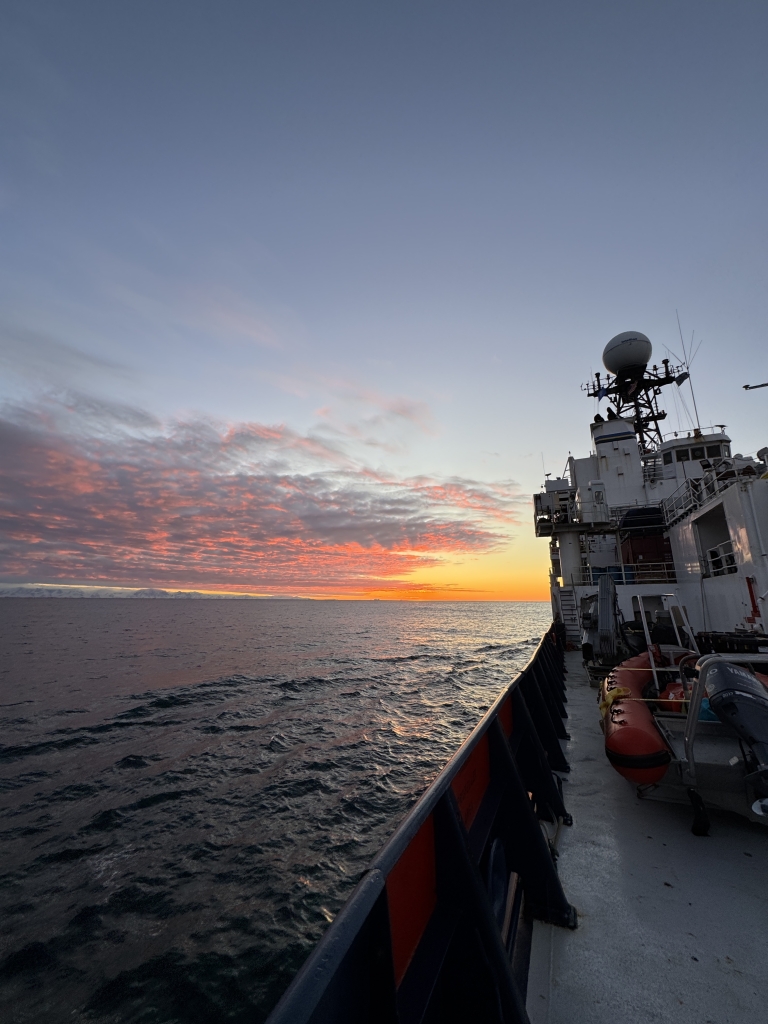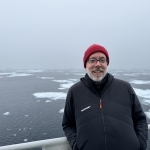

The weeks leading to my deployment to Antarctica were filled with waves of excitement, trepidation, and anxiety bordering on full-blown panic attacks. I had been dreaming of this opportunity for a long time, and it was coming at me at full speed. I had been to the High Arctic to do other artist residencies on board of ships, twice, so the prospect of going to a remote area hard to access in a polar region is not necessarily completely new. But there is something about Antarctica that seemed more daunting, even if alluring and exciting. Particularly in the circumstances I was to be in: on board a research vessel with a team of scientists for a period of two months. Two months. My path as an artist has taken me many places around the world for weeks at a time, but never for two months, on board a vessel with limited square footage that would be home for 29 people from the science party, including me, and 20 ship crew. My career has led me to situations outside my comfort zone constantly. It’s not like I’m an adrenaline junky that seeks to live on the edge, but the belief in the work that I do through my art, bringing a message of joy and wonder, so needed in the chaotic world we live in, makes me pursue and accept opportunities that constantly put me at odds with that inner feeling of wanting to hide and stay home in the comfort of my own safety space. Certain things have become easier with time. For instance, I no longer freeze with cold sweats at the thought of speaking in public. So, there was something about this journey that felt almost like a regression to my early days, being terrified at something of great magnitude about to happen in my life. For the first time in a long time, I was coming to a setting outside of my control, within a team of people doing things related to biology, a subject I haven’t touched for more than 30 years since I was in high school. But Lady Antarctica (is that a thing?) was calling and I threw myself at what seemed the opportunity of a lifetime.
In the spring of 2023, I participated in an artist residency called The Arctic Circle Residency. For two weeks I navigated with 29 other fellow artists, educators and one scientist the west coast of Spitzbergen, the largest island of Svalbard, an archipelago which is, along Greenland, some the northernmost land on the planet. I had expected to go on the trip of a lifetime, but I was not prepared for the life-changing experience it was. The sense of awe I experienced in Svalbard I’ve seldom experienced before. My interest in the polar regions has only increased since then and it led me to question how can my work as an artist transmit that sense of awe to my viewers, in order to inspire them in their own way to become more attuned to our planet’s wellbeing, threatened left and right by corporate greed and exploitation.
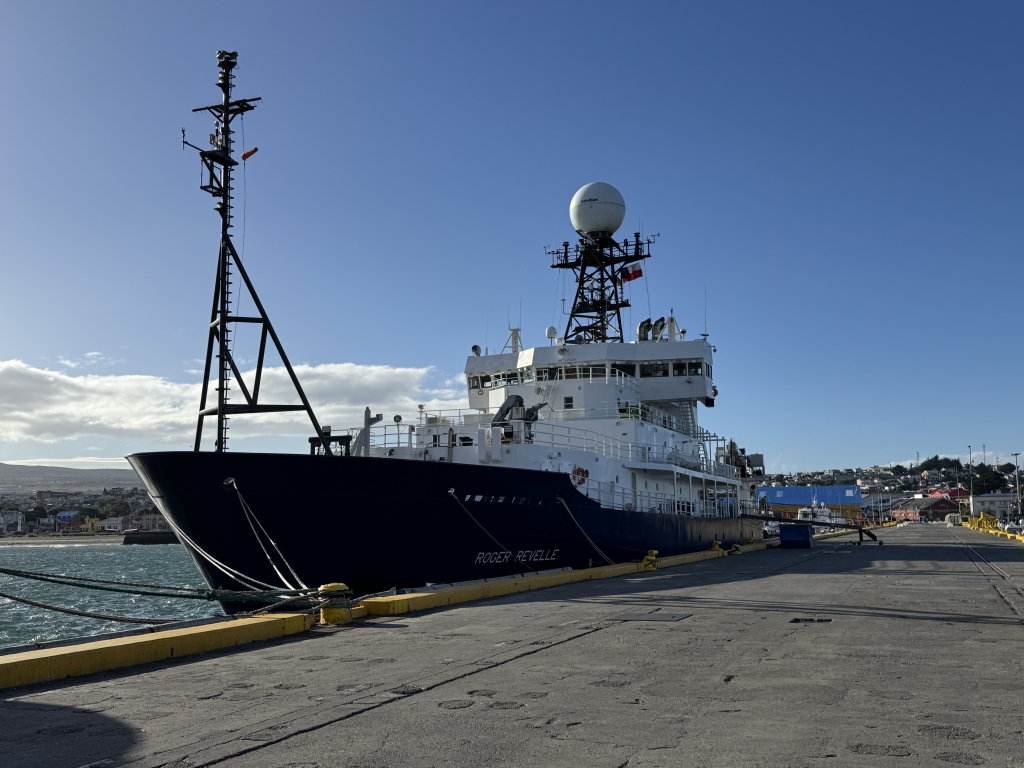
Not long after I returned home I learned about Polar STEAM, which offered the opportunity to go to Antarctica, not as a spectator, but as a participant among the science team studying the polar region in the hopes of understanding how climate change is affecting not only the local environment, but also how it can effect change in the rest of the world. We live in a world that we ought to see as a single organism, where a change produced by the ice shelf melting produce changes in the ocean currents, which in its turn can have dire results in weather patterns; or a reduction of sea-ice can endanger krill population which in turn could be catastrophic to whales and penguin populations. It is my belief that we can no longer take the world for granted; we can no longer live as we are individuals, living in our own independent communities and pretend that we are not part of a wider, bigger, single unit called planet earth. These are the questions that led me to apply, and after a lengthy process, interviews, and a few hurdles, I was ready (although I didn’t quite feel it) to head to Punta Arenas, where I was to board the R/V Roger Revelle to be embedded in a zooplankton scientific team doing the leg work needed to pursue an understanding of how the food chain in the western Antarctica Peninsula had been changing in the past 30 years. After meeting the first few people that were going to be on board, some of my apprehensions started to dissipate. I guess realizing that I was not the only one going through this mix of excitement and anxiety made me realize I was not alone. Meeting other members of the team, led by Dr. Debbie Steinberg, helped even more, and by the time we were set to sail after a few days in port, most of the anxiety was gone and the excitement grew.
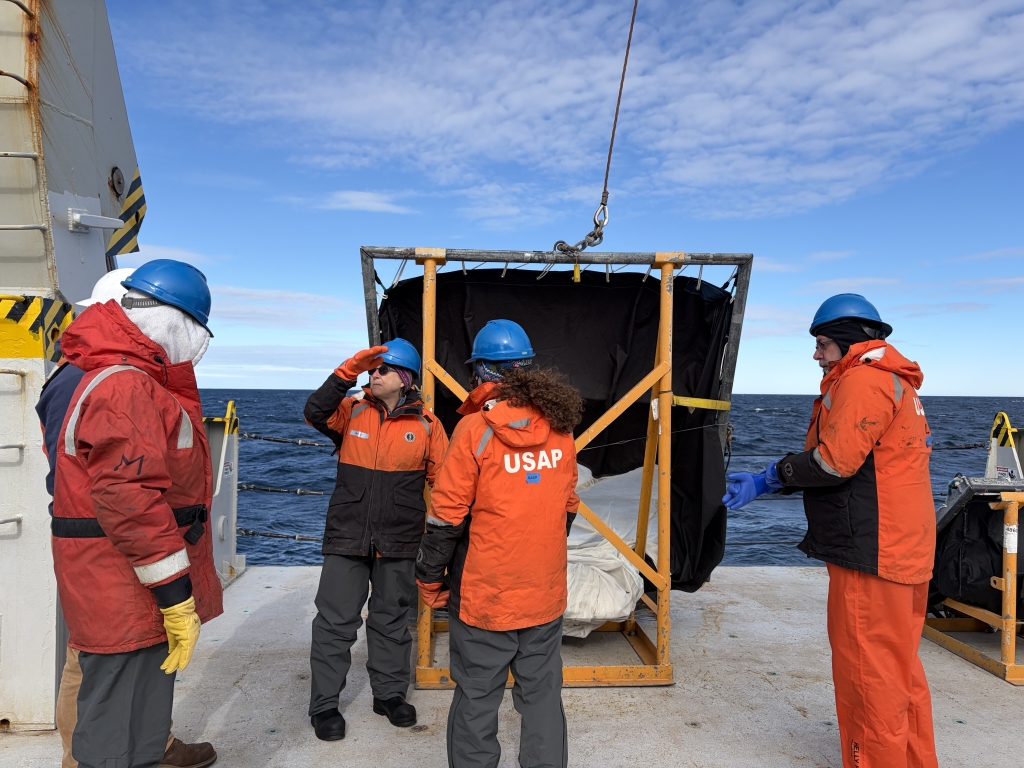
There were some things that were still a bit daunting, like how would I know one species of zooplankton from another? Or how are we even going to deploy the nets. Although I had seen a documentary of Dr. Steinberg’s team at work a few months prior, it all still seemed very foreign to me. When the time came to deploy the first net, the only thought in my mind was ‘how in hell are we ever going to be able to do this? There’s no way.’ And yet, we were successful in deploying despite some minor hiccups that were smoothed out fast enough with eventual tows.
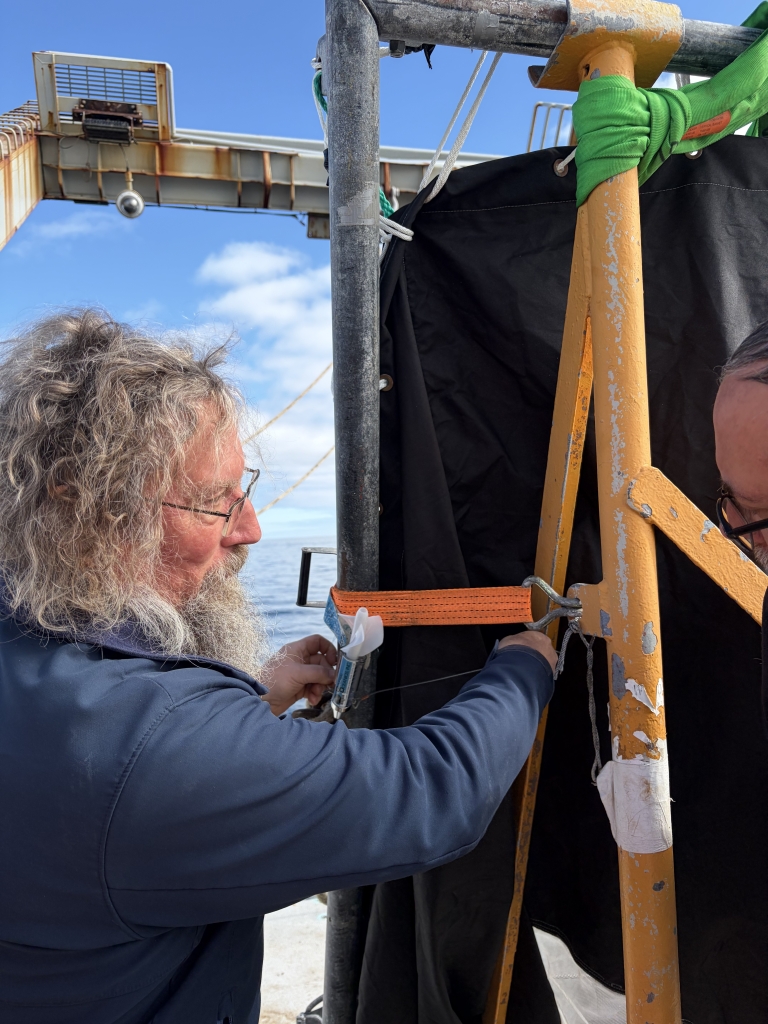
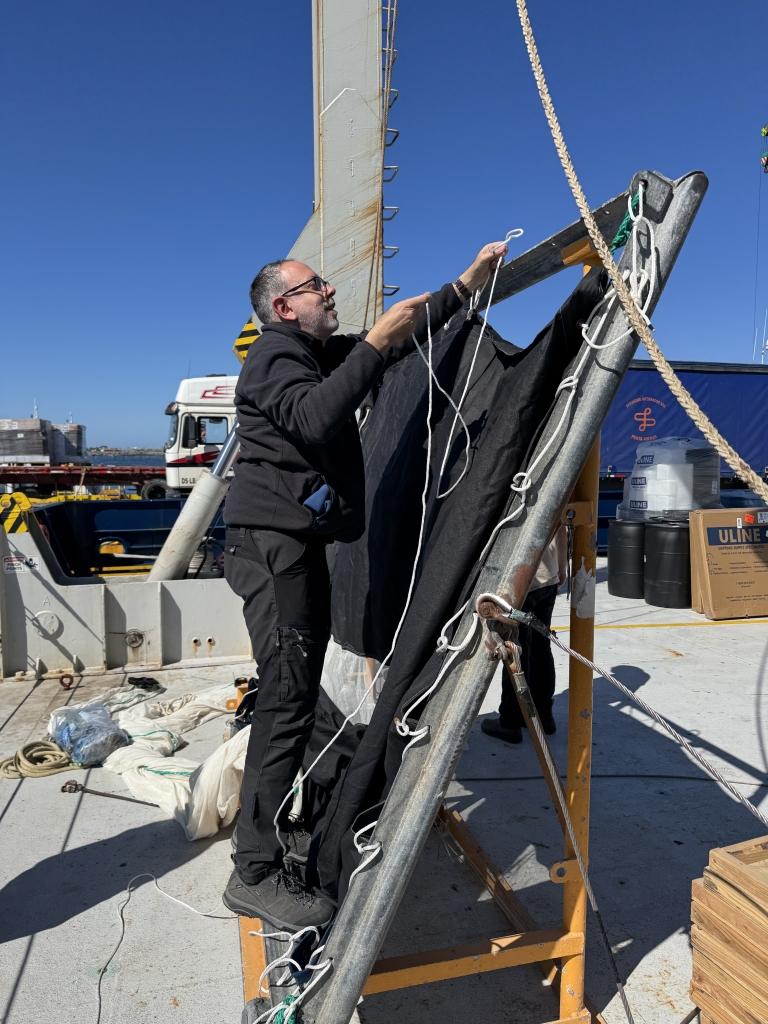
The processing of the tows’ catch was another matter. Joe Cope, Dr. Steinberg’s tech, was the patient teacher who never seemed tired of my constant questions: “Is this a copepod, or and ostracod?” “Is this a thysanoessa or a triacantha?” “What is this?!?“
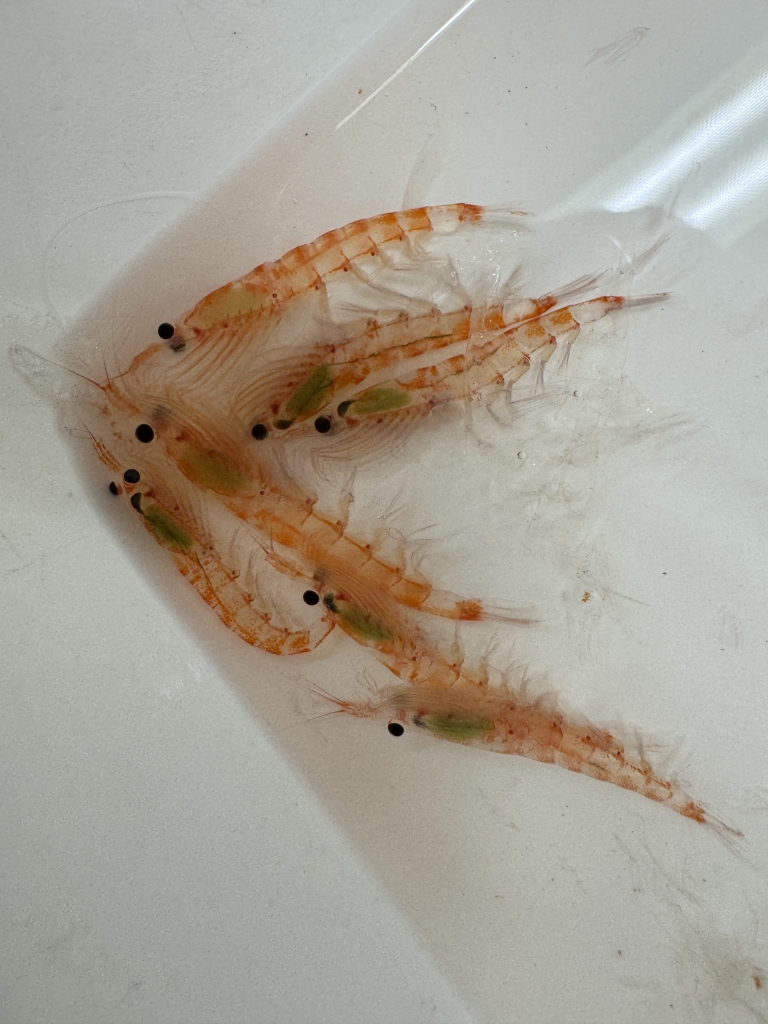
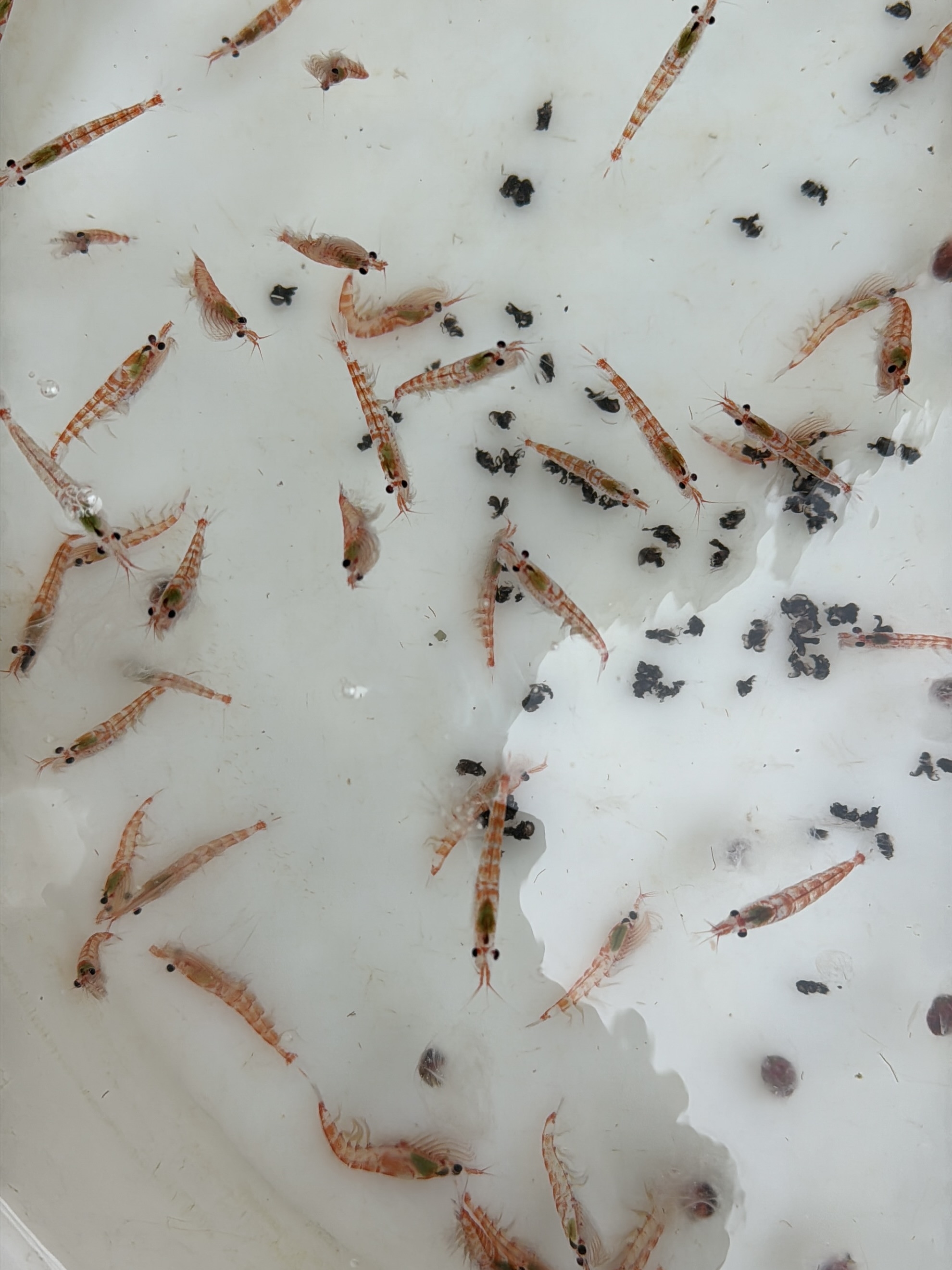
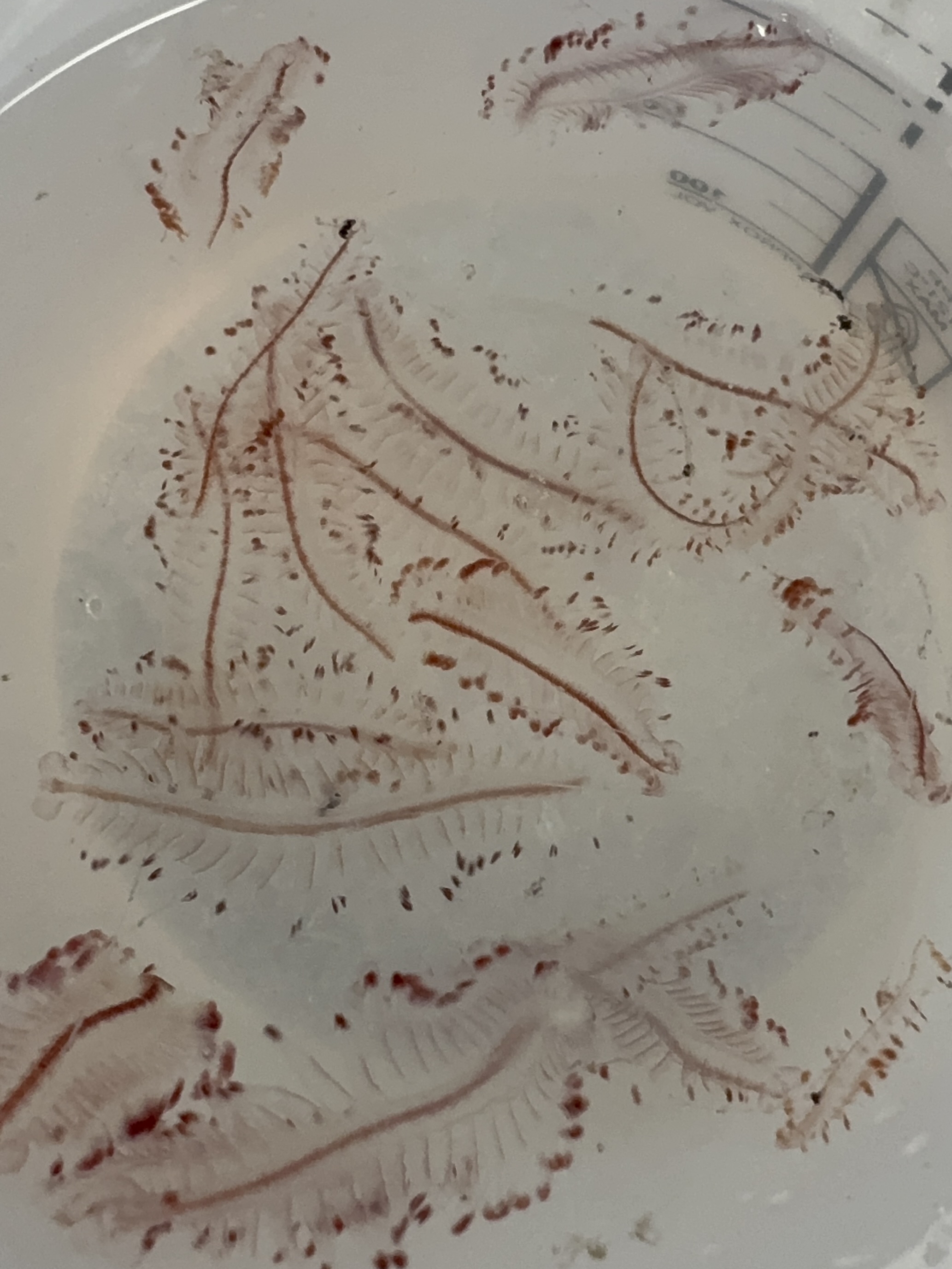
As the days passed, I began to gain a bit of confidence, and my dread of messing up and ruining the whole project gave way to sadness that it is all about to come to an end. Almost six weeks in with a bit more than two weeks to go, I am in awe not only of the beauty of Antarctica, but also of all that this experience has offered me in the shape of friendship among so many brilliant people on board the Revelle. I am grateful that I have a few more days to enjoy the scenery, the work, and the new-found camaraderie among my shipmates.