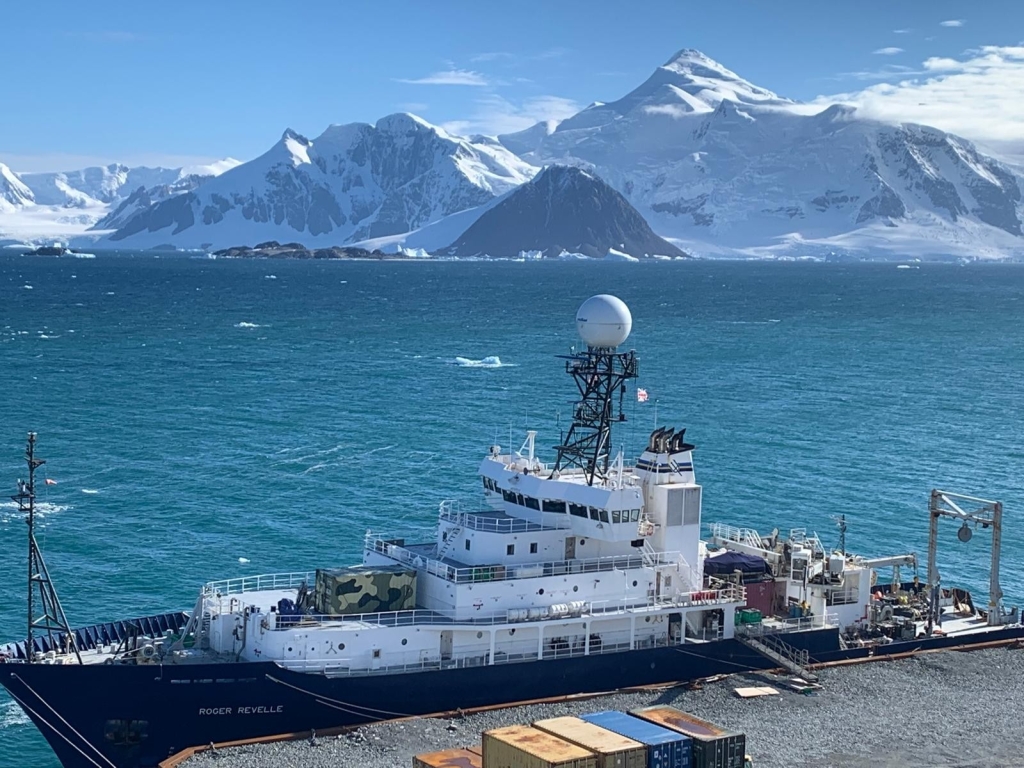

As a science teacher, the first skill and corresponding rubric I introduce is Science and Engineering Practice (SEP) #1: Asking Scientific Questions. I won’t claim that this is the most important skill. There are amazing studies on the importance of awe and wonder, as well as the importance of analysis; we have all heard, “it’s not science until you write down your findings,” and of course the imperative need to be able to communicate one’s findings. But, for middle schoolers, asking questions is the perfect jumping off point because they already have questions, we just work to hone them into scientific ones: measurable and testable.
I love getting to answer my scholars’ questions or more importantly engage in investigations to empower scholars to find the answers themselves. So now, I get to report back to them that for two whole months I got to be the question asker. I brought down questions that they submitted ahead of time and of course had hundreds, if not thousands, of my own. What a privilege to be surrounded by so many experts willing, able, and eager to explain their science to myself and my sixth graders.
I have noticed my questions shifting from:
- “Who is this?”
- “Which zooplankton is this?”
- “What’s this little worm-y guy?”
To:
- “Did I miss anything?”
- “Is this a Primno or a Themisto?”
- “Should this catch be in a 500 mL jar?”
and now into questions like:
- “Does this catch match with what you saw here last year?”
- “The water is SO rough today, is our catch going to be altered?”
- “Is our HiPAP reading accurate or should I go by the wire out?”
This is the first science and engineering practice at work. In the education world this shift in questioning is sometimes referenced through the Webb’s Depth of Knowledge Framework or Bloom’s Taxonomy. You can see this in the chart below that shows how question asking progresses in rigor level. This often means that the types of answers you are seeking will become more in-depth, complicated, or nuanced.
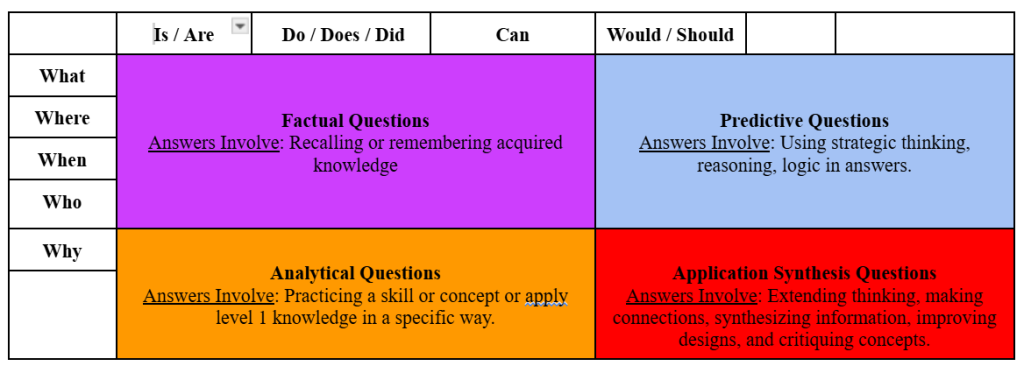
I am here to bring this science back to my classroom and demonstrate lifelong learning and can see this learning pattern play out as the type of questions, and the rigor level increases. This is how I can measure my own growth. It’s not that I gain knowledge and that I stop asking questions. It’s that I gain knowledge and the nature of my questions change. Dr. Debbie Steinberg and Joe Cope, who have been running the zooplankton arm of the Palmer Long Term Ecological Research program for the last 17 years, are the premier experts of this work not only on the ship, but in the broader marine science community, and though they patiently answer all my questions… they never stop asking them themselves. This is the mark of a true scientist. Once the initial research question is asked, data gathered, and results analyzed, it isn’t “time to pack up and sail home.” Instead, it’s a whole lot of “now I wonder…?”
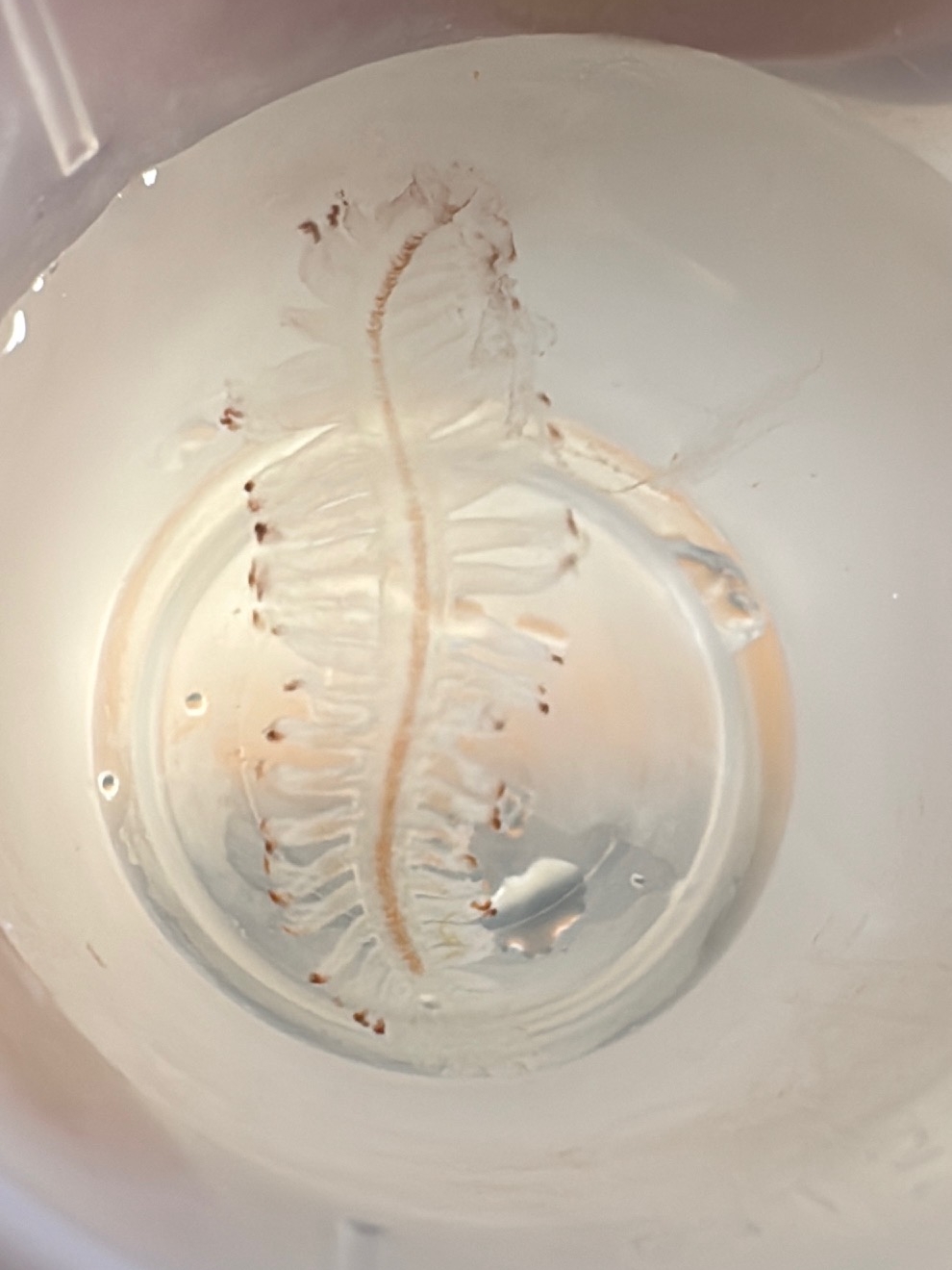
What I have loved asking questions about most I have featured below. I had many questions about the polychaete worm Tomopteris: it eats by ejecting its mouth around its prey! I had many questions about the function of sea ice: it serves as a seasonal breeding or feeding ground for many of these creatures! I had many questions about Antarctic summer daylight: the reason why we do day tows and night tows to compare the population differences!
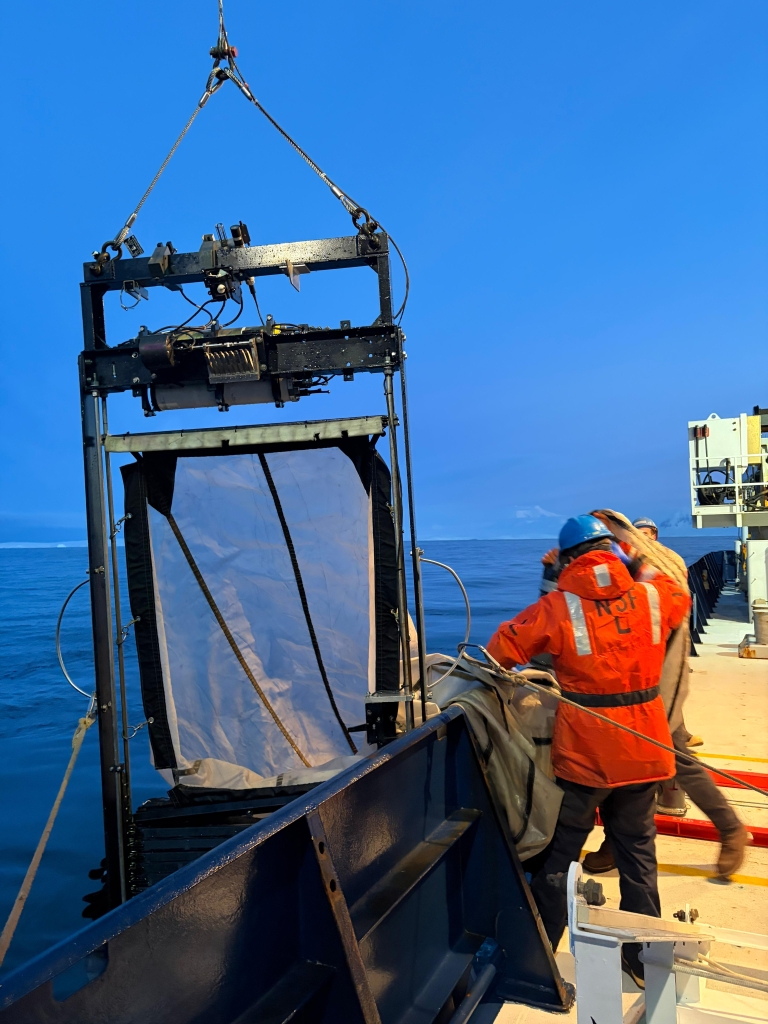
MOCNESS (Multiple Opening/Closing Net and Environmental Sensing System: being recovered over the side of the ship.
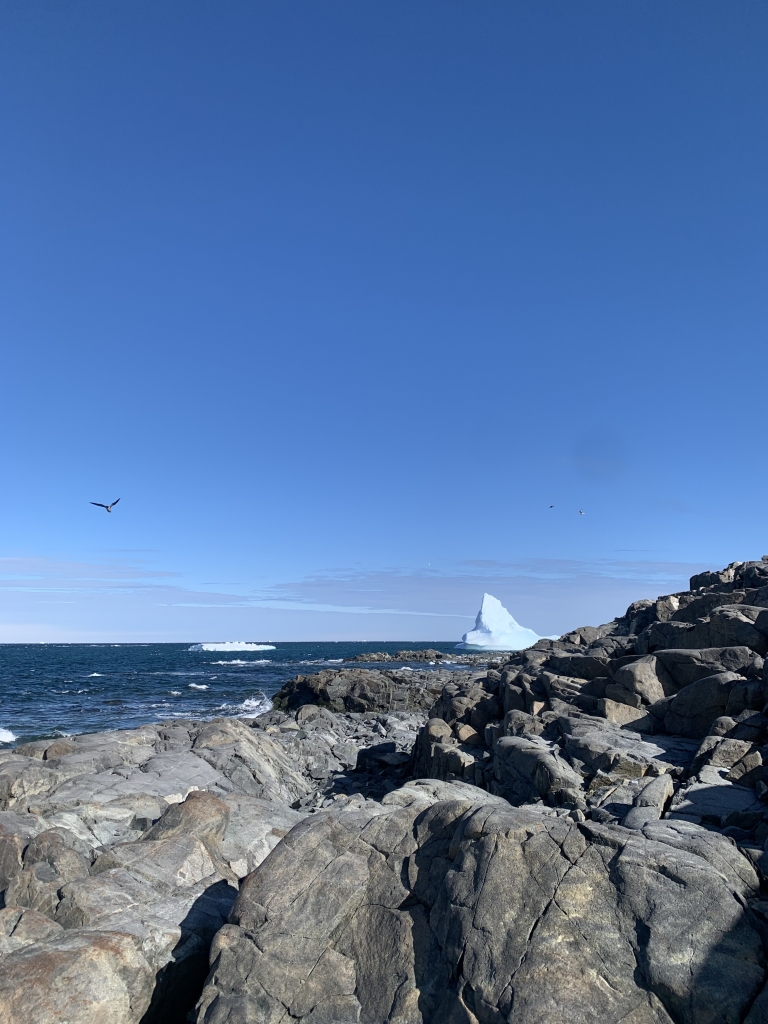
View on a hike around Rothera point near the British Antarctic Survey Station.
For those of you feeling tired, scared, or burnt out: keep asking questions. Our scholars need it.
Stay curious.