
Never in my wildest dreams did I imagine I would “spawn” in the middle of the Pacific Ocean! As a gaming school library media specialist from the inner city, my career path has taken many unexpected turns, but nothing quite like this: an adventure to Southern California to study whales alongside an inspiring and super cool researcher. Thanks to the Polar STEAM Virtual Educator Fellowship, supported by the U.S. National Science Foundation (NSF), I had the incredible opportunity to spend three unforgettable days in Santa Cruz, California, working closely with Dr. Ari Friedlaender, my partnered researcher.
Day 1: Gentlemen’s Research on the Pacific Ocean
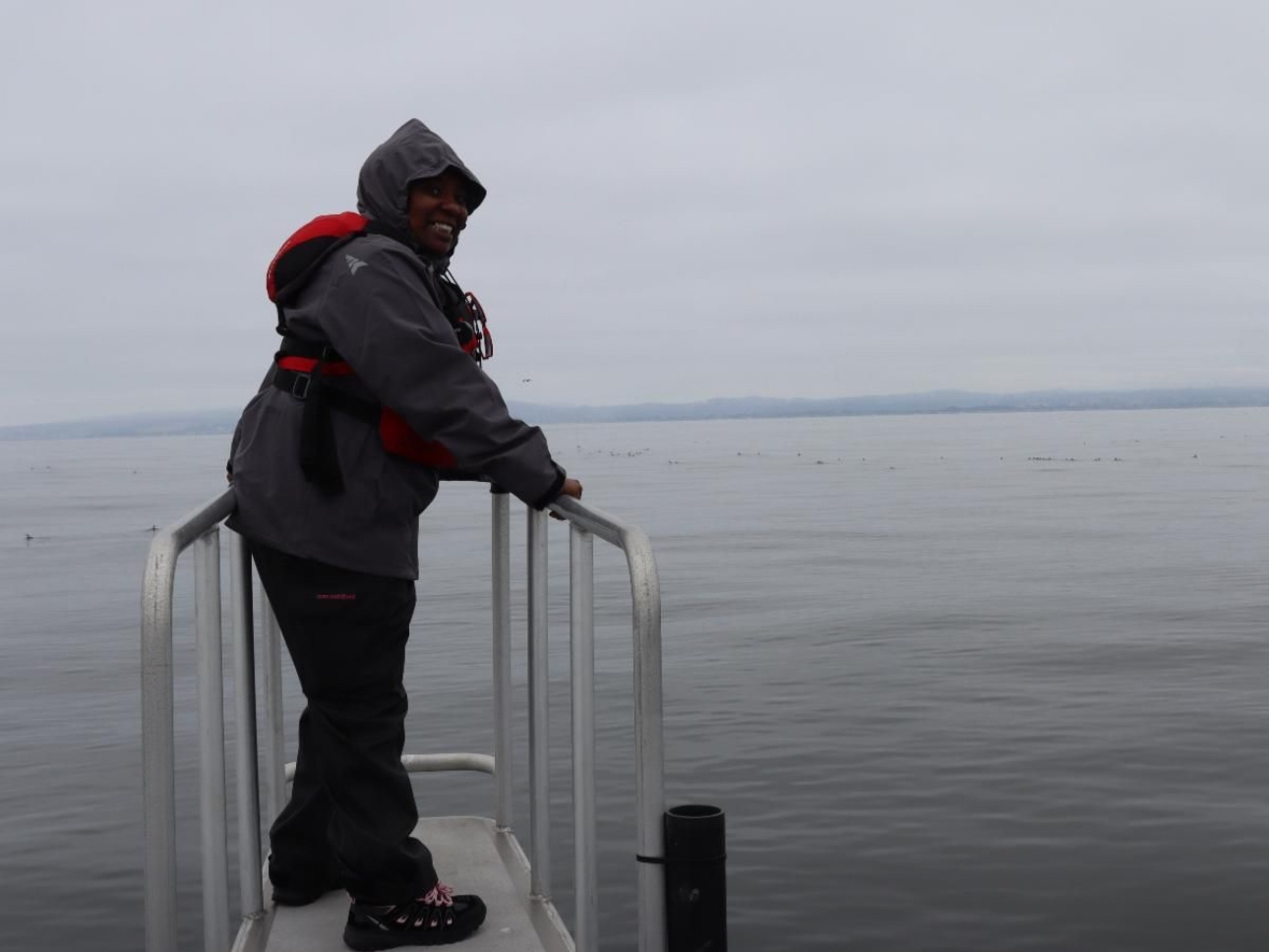
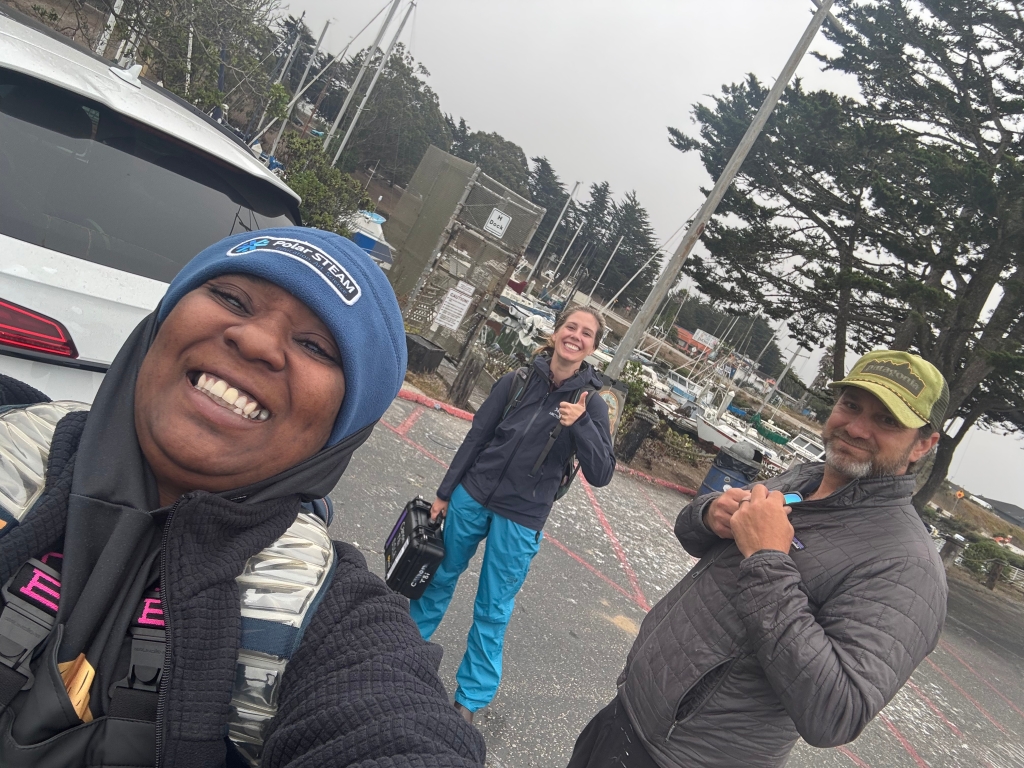
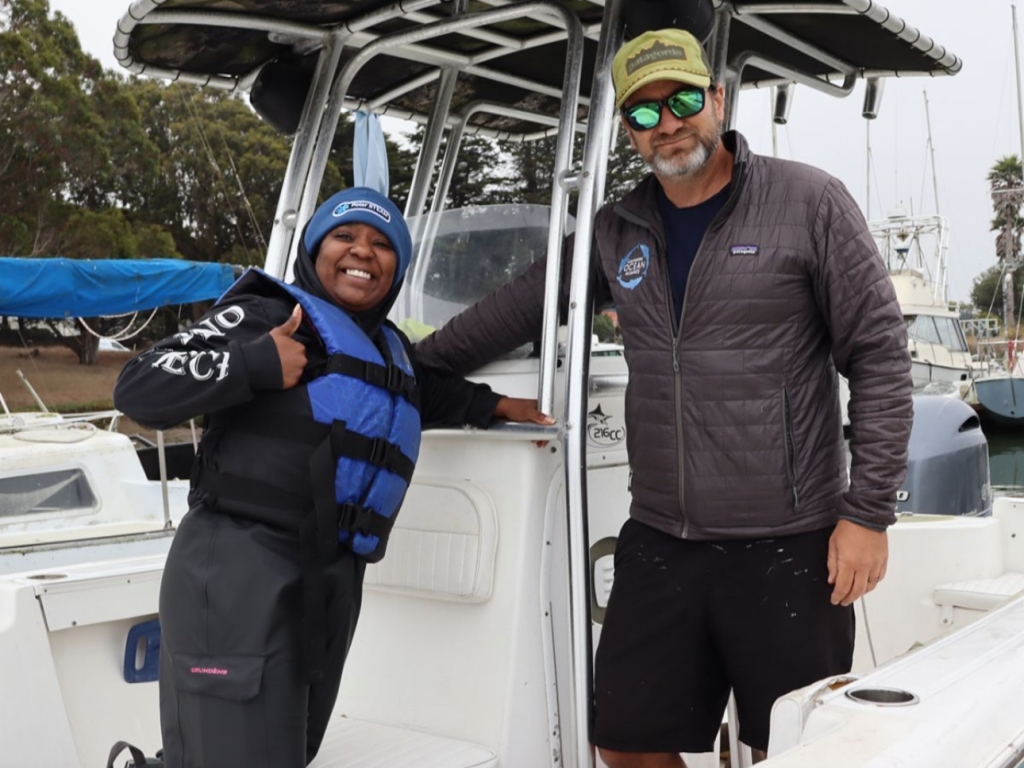
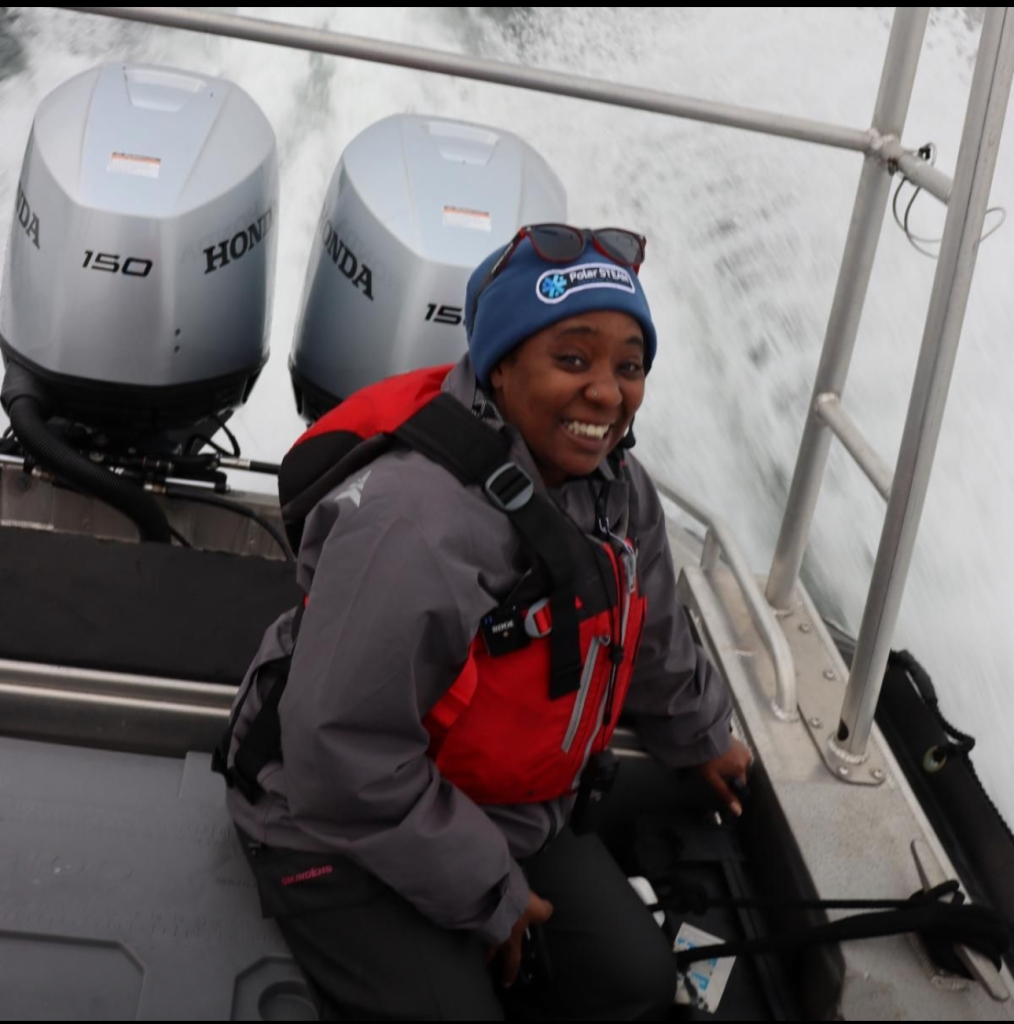
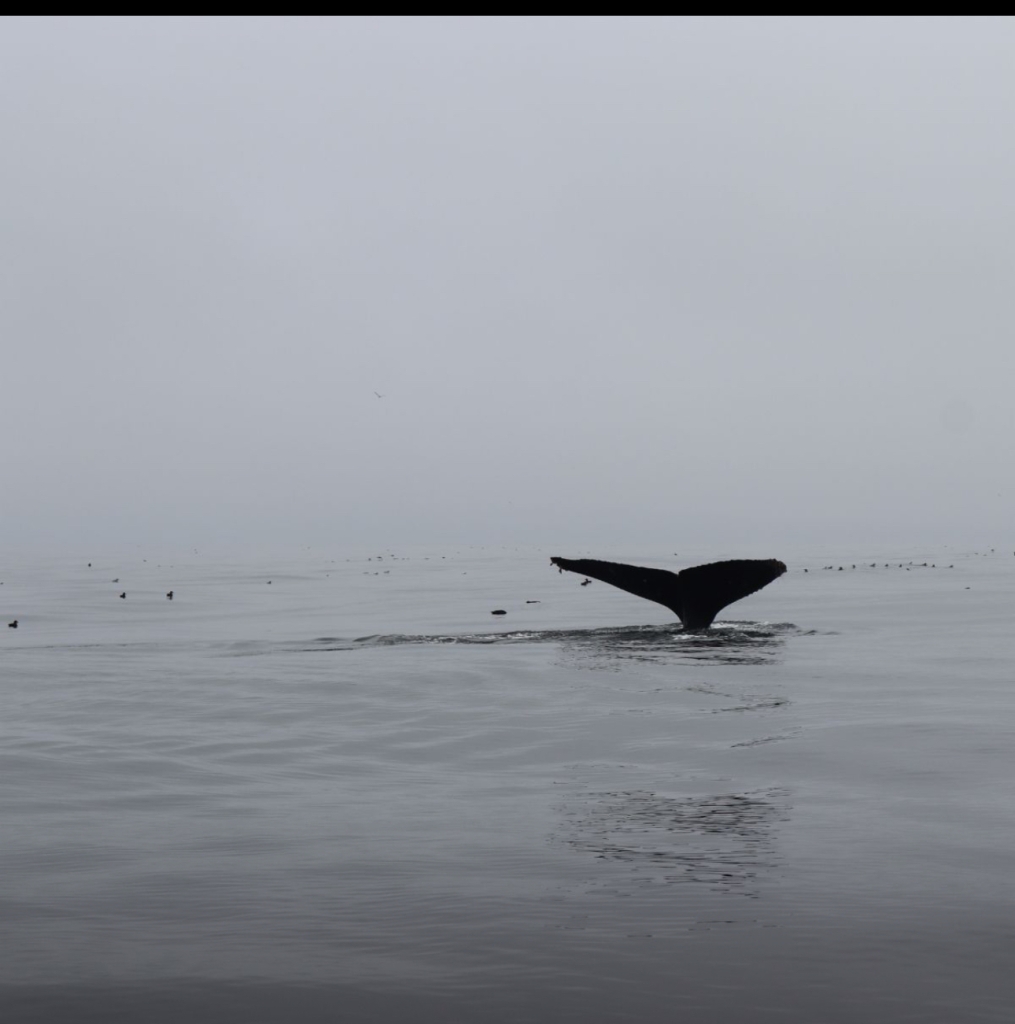
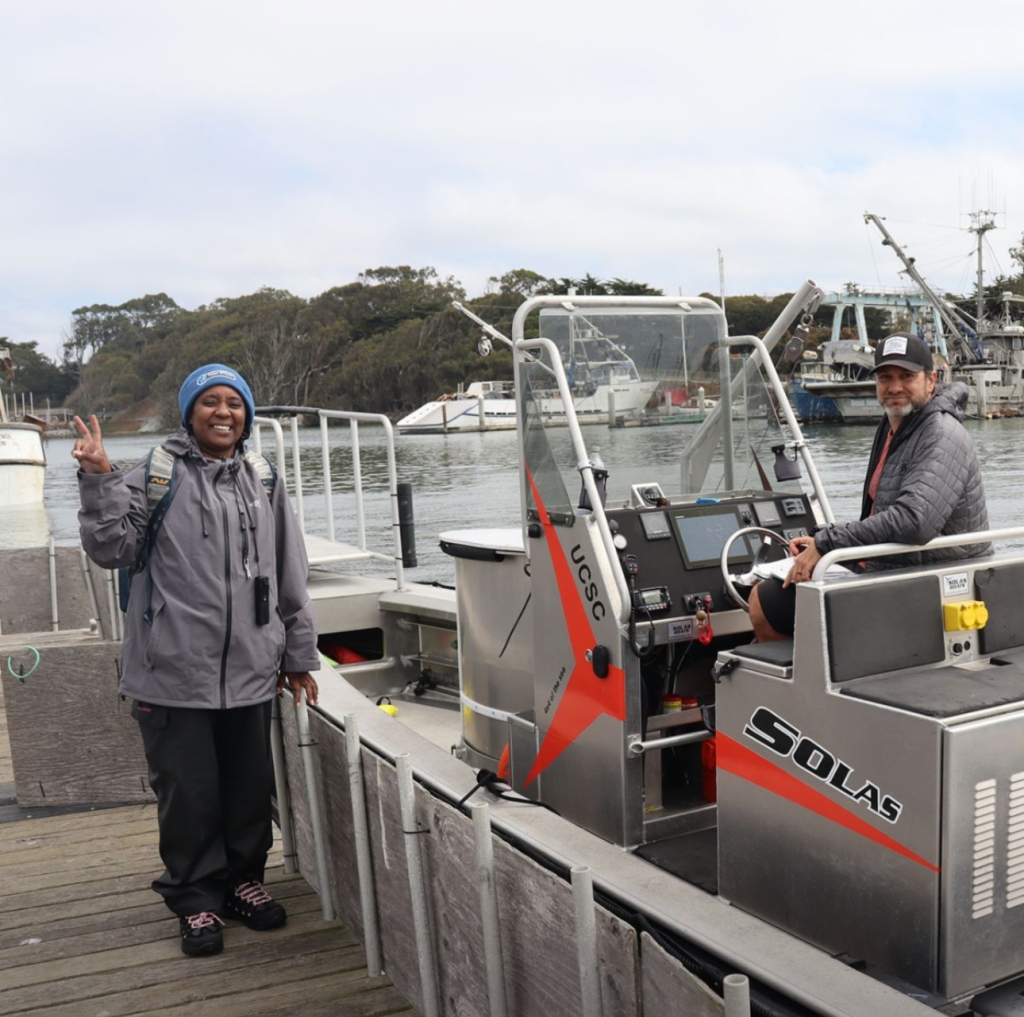
The first day was an eye-opener. We spent about an hour on the water, scanning the vast Pacific for whales and seals. As a city girl from Newark, who usually avoids large bodies of water, this was both thrilling and a little terrifying. Our mission was to assess whether conditions were right for real data collection on the following days. Ari, Jami (my Polar STEAM guide), and I were the only ones on a small boat, just soaking in the ocean’s rhythm. Seeing my first whale fin break the surface and a sea lion swim mere feet from me was a surreal moment—a true reminder that I had stepped far outside my comfort zone.
Day 1.5: Touring the Research Lab
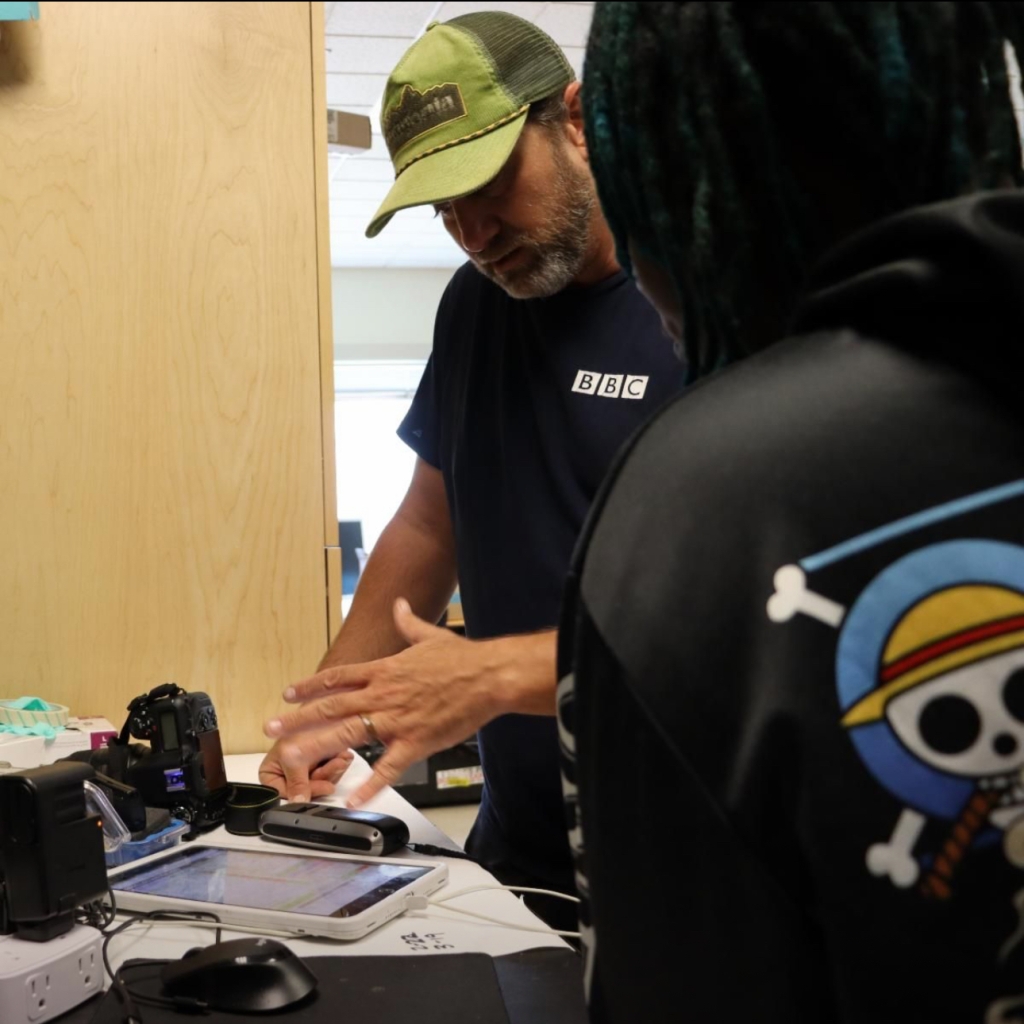
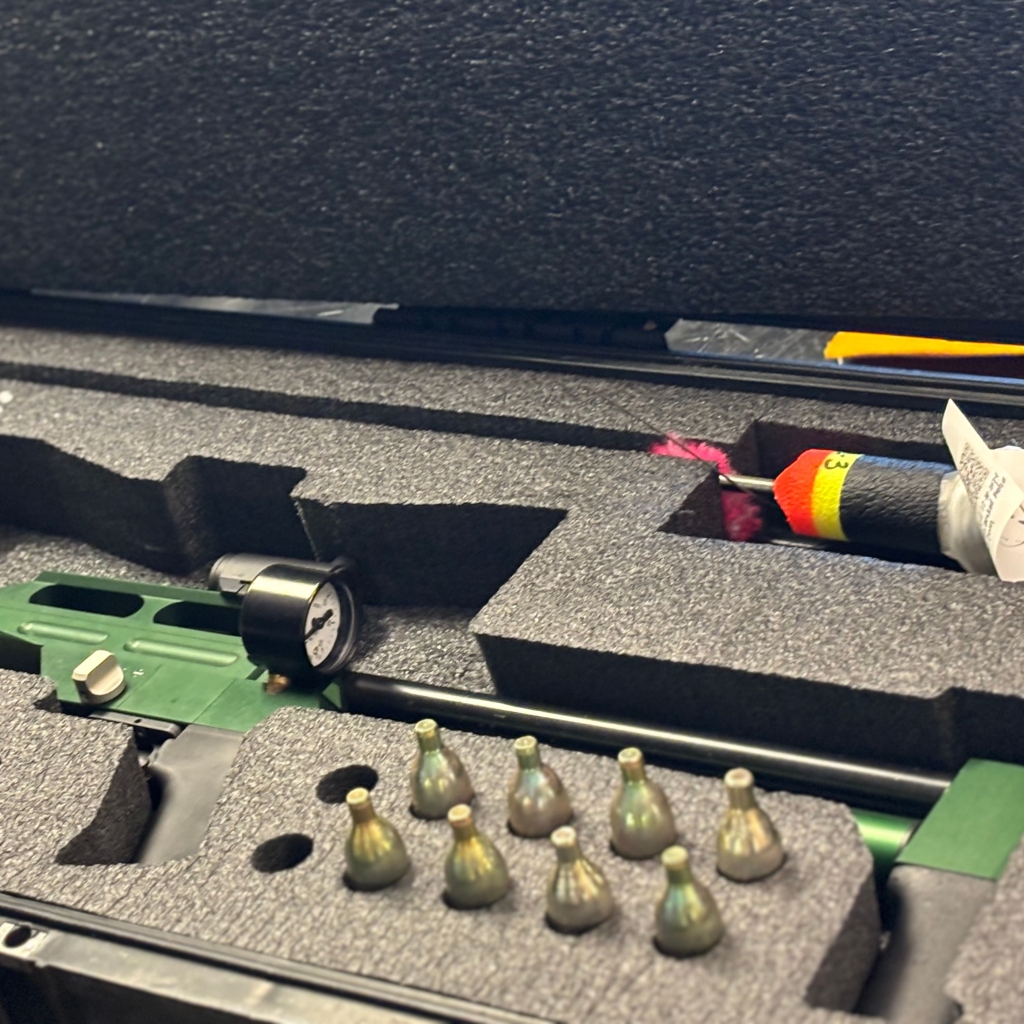
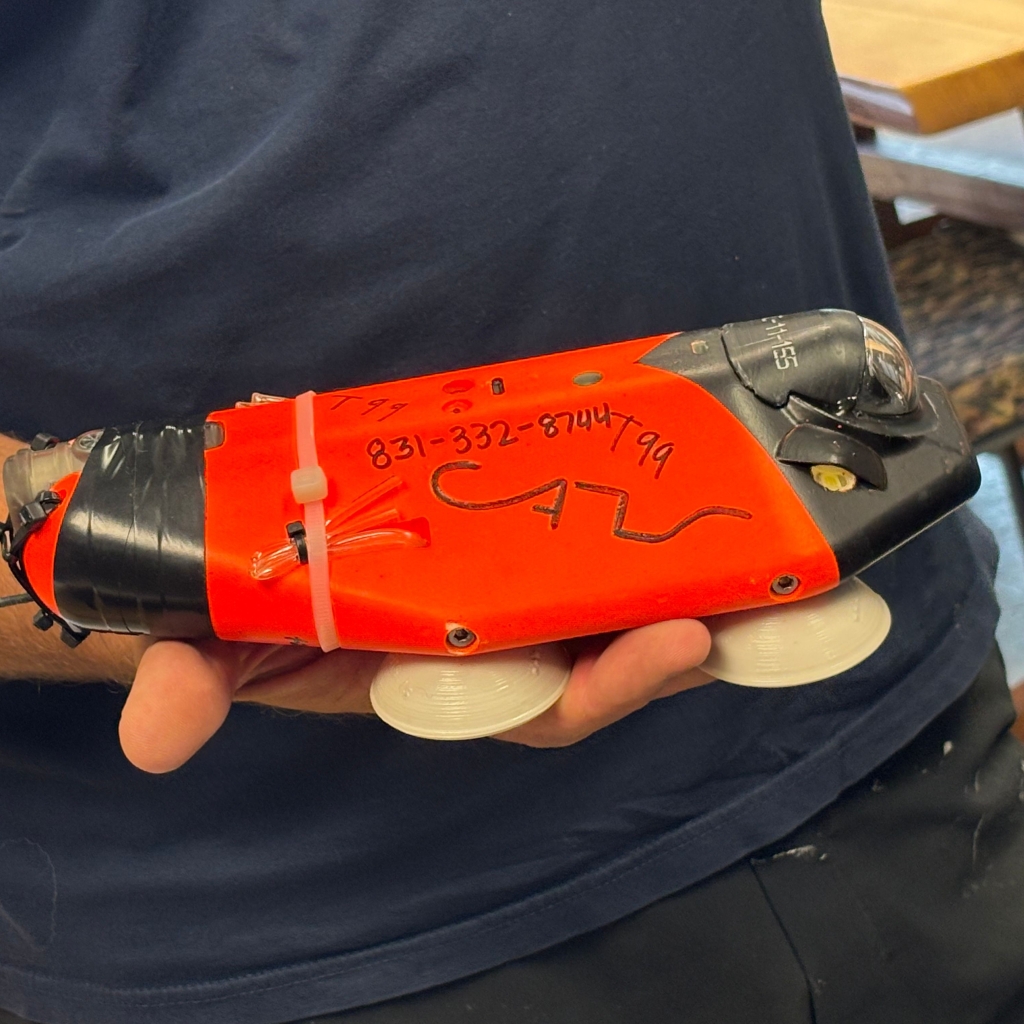
After our time on the ocean, we headed to the University of California’s research lab. Ari gave me a fascinating tour of the space where all the magic happens—from his office to the cutting-edge tools his team uses to study marine mammals. They use everything from harpoon and arrow guns to custom-made tracking devices, many of which Ari and his team design and assemble themselves. One of the most surprising insights? Electric tape is a researcher’s best friend for securing equipment! I was especially captivated by the drones they use to attach tracking devices to whales and dolphins—a blend of technology and nature that felt futuristic.
Day 2: Out at Sea Collecting Data
The second day brought me back out on the water, this time with a larger boat and more researchers. The goal? To “tag” a dolphin by attaching a tracking device, enabling scientists to monitor its movements and behavior. We journeyed all the way to the Kerckhoff Marine Laboratory in Newport Beach, equipped with the tools needed for this delicate and important work. Being part of this hands-on research team, witnessing the coordination and care that goes into each step, gave me a deep appreciation for the complexity and dedication involved in marine mammal science.
Day 3: Exploring Art and Science
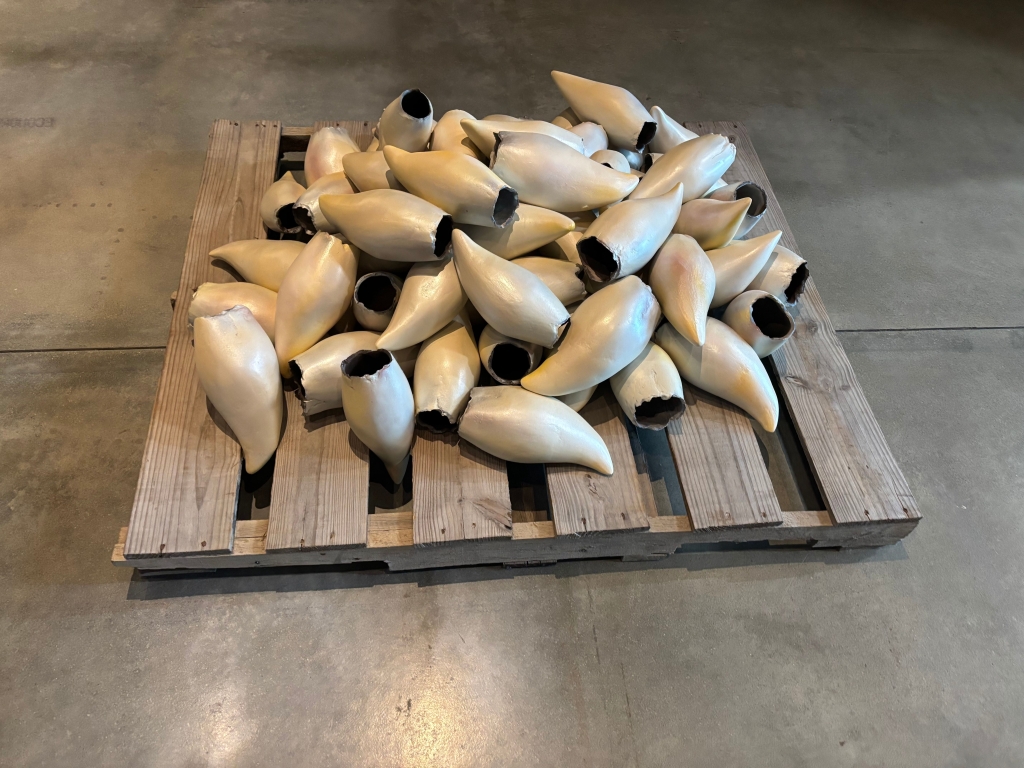
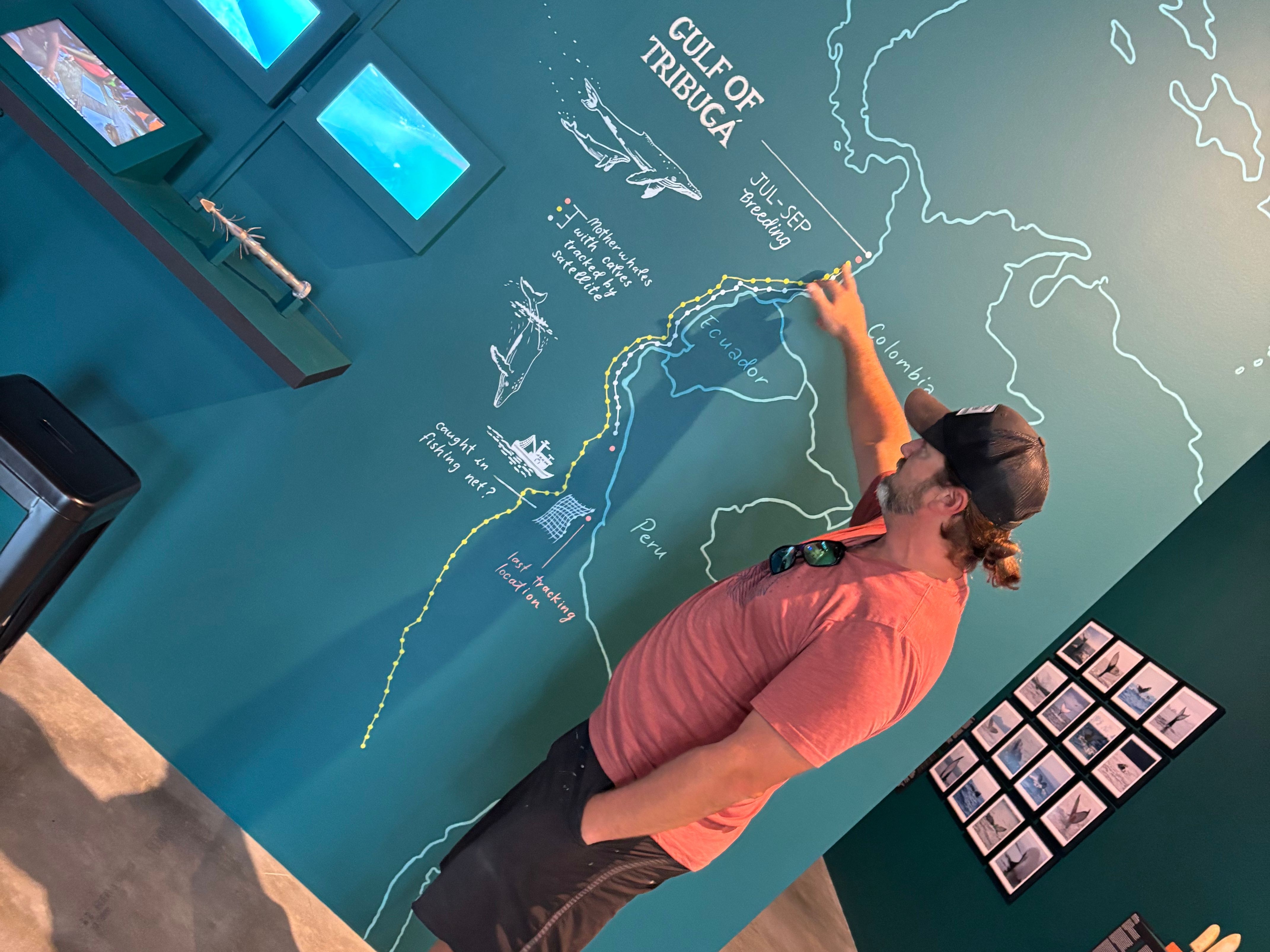
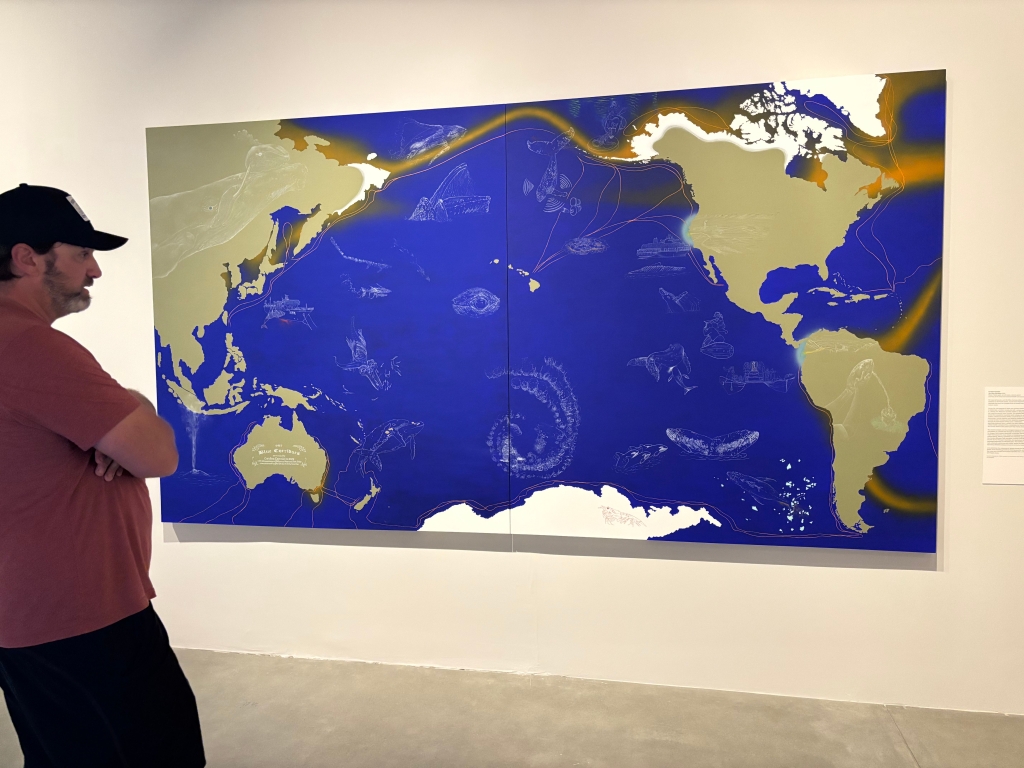
Our final day was a unique blend of art and research. We visited an art installation inspired by Ari’s research, where data about marine mammal migration was transformed into vivid visual stories. This creative interpretation of scientific numbers brought the animals’ journeys—and their changing environment—to life in a powerful and emotional way. It was incredible to see how art can bridge the gap between data and human experience, making science accessible and meaningful for everyone.
Bringing Research to the Classroom
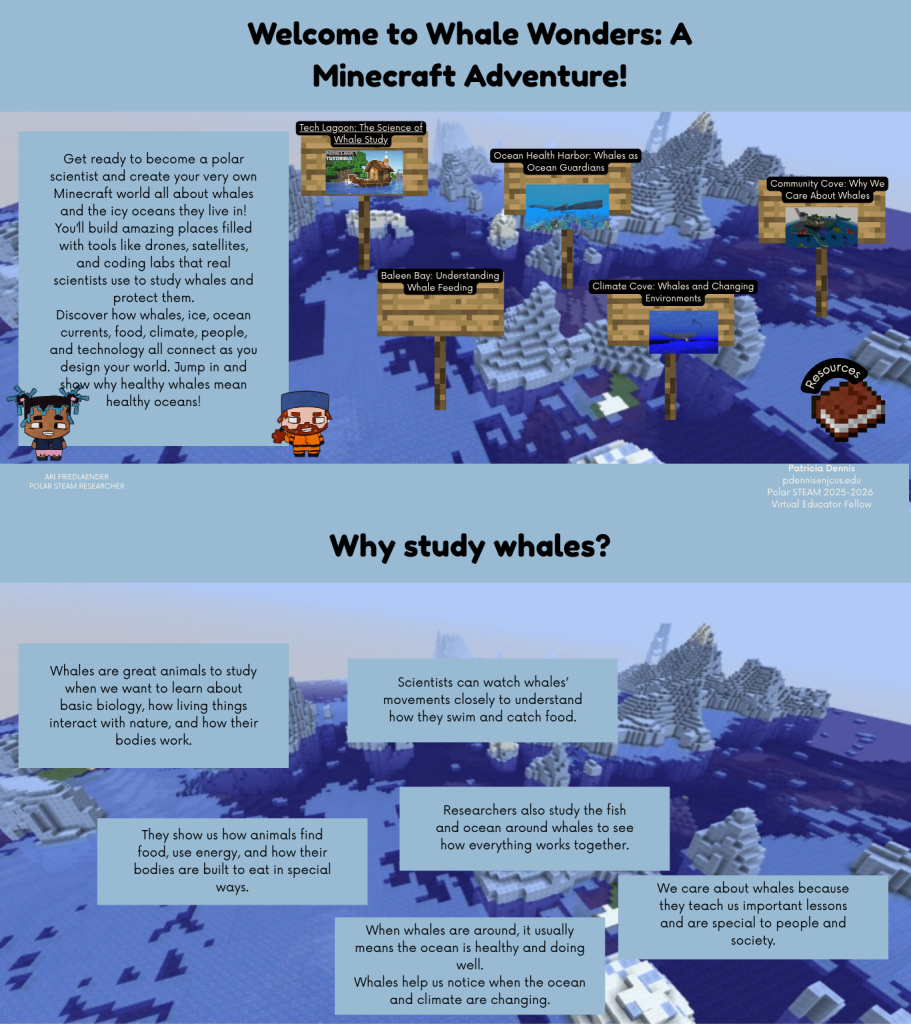
My partnership with Ari doesn’t end here. Together, we are developing an engaging educational resource titled Researcher’s Quest Outline: Ocean Sciences. This interactive experience will immerse students in the life of a marine researcher through Minecraft and LEGO building challenges. Students will simulate the journey of applying for an NSF grant, assembling a research team, and exploring the five stages of Ari’s whale migration research. It’s a fun and innovative way to inspire the next generation of scientists and STEAM learners.
Through these resources, I hope students will gain critical skills such as scientific inquiry, data analysis, and teamwork. They will learn how to design and conduct research projects, think critically about environmental challenges, and understand the importance of technology in the study of wildlife. Beyond the science, students will develop creativity and problem-solving skills as they build and innovate within the Minecraft and LEGO challenges. Ultimately, this experience aims to spark curiosity and a passion for ocean sciences, empowering students to become thoughtful, informed stewards of our planet’s marine ecosystems.
Spending these three days with Ari not only expanded my understanding of marine science but also demonstrated the power of connecting research, technology, and creativity. I’m excited to bring this adventure—and the stories of the ocean’s majestic creatures—into my school library and classrooms everywhere!